
Explore Trekking in Morocco: Discover Stunning Landscapes

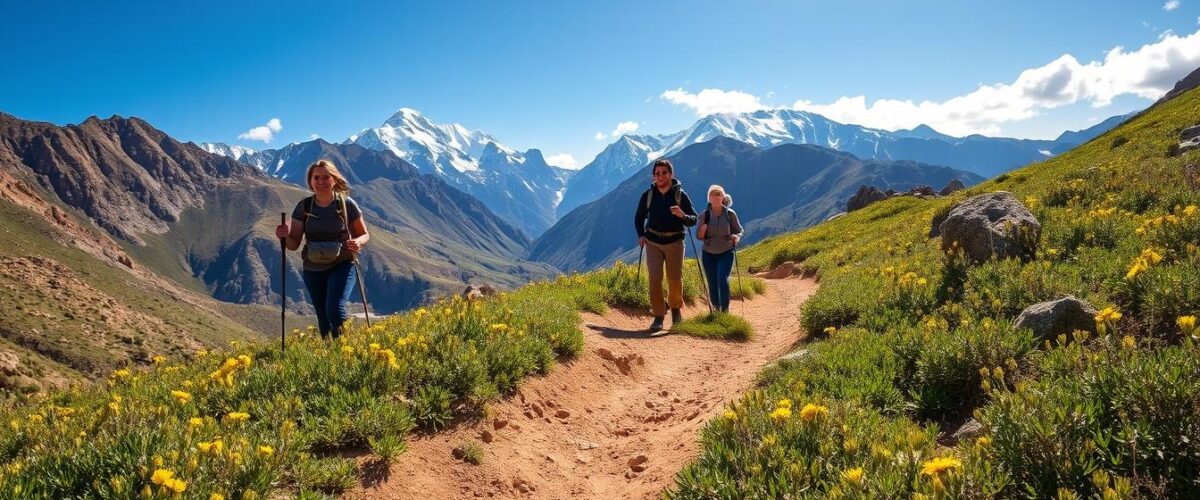
Welcome to the world of trekking where breathtaking landscapes await around every corner. The rugged beauty of the Atlas Mountains and the vast expanse of the Sahara Desert offer a diverse range of trekking experiences.
From snow-capped peaks to endless dunes, Morocco caters to all levels of adventure seekers. This article will explore the allure of Morocco’s diverse landscapes and provide essential information to plan your next trekking adventure.
Key Takeaways
- Discover the diverse landscapes of Morocco, from mountains to deserts.
- Learn about the unique trekking experiences available.
- Understand what makes trekking in Morocco a must-do adventure.
- Get insights into planning your trekking trip.
- Explore the cultural and natural beauty of Morocco.
The Allure of Morocco’s Diverse Landscapes
The allure of Morocco lies in its diverse landscapes, a mosaic of mountains, deserts, and valleys that cater to all kinds of trekkers. Morocco’s geography is characterized by a mix of terrains, each offering unique trekking experiences.
A Land of Contrasts: Mountains, Deserts, and Valleys
Morocco’s diverse landscapes are a major draw for trekkers. The Atlas Mountains provide a challenging yet rewarding trekking experience, with breathtaking views of the surrounding landscape. In contrast, the Sahara Desert offers a more leisurely trekking experience, with the opportunity to camp under the stars and experience the tranquility of the desert.

Why Morocco Is a Premier Trekking Destination
Morocco stands out as a premier trekking destination due to its rich cultural heritage and diverse geography. Trekkers can immerse themselves in local Berber culture, exploring traditional villages and experiencing the warm hospitality of the Moroccan people.
| Region | Terrain | Trekking Experience |
|---|---|---|
| Atlas Mountains | Mountainous | Challenging treks with breathtaking views |
| Sahara Desert | Desert | Leisurely treks with desert camping |
| Valleys | Valley | Scenic treks through lush landscapes |
Trekking in Morocco: What Makes It Unique
Trekking in Morocco offers an unparalleled adventure that combines breathtaking landscapes with rich cultural experiences. As trekkers navigate through the diverse terrains, they are immersed in a world where traditional Berber cultures thrive amidst stunning natural beauty.
Cultural Immersion While Trekking
One of the most distinctive aspects of trekking in Morocco is the opportunity for cultural immersion. Trekkers can visit Berber villages, where they can experience the local way of life, taste traditional cuisine, and learn about the region’s rich cultural heritage. The interaction with local communities adds a profound depth to the trekking experience, making it more than just a physical journey.

Many trekking routes pass through villages where trekkers can observe traditional crafts, such as weaving and pottery. The warm hospitality of the Berber people makes visitors feel welcome, creating lasting memories of their trek.
| Cultural Experience | Description | Location |
|---|---|---|
| Berber Villages | Experience local culture and hospitality | Atlas Mountains |
| Traditional Cuisine | Taste local dishes and flavors | Various Trekking Routes |
| Local Crafts | Observe traditional crafts like weaving and pottery | Berber Villages |
Accessibility for Various Experience Levels
Morocco’s trekking routes cater to various experience levels, ensuring that there’s something for everyone. Whether you’re a seasoned trekker or a beginner, you can choose a trail that suits your abilities. The range of trekking options allows individuals to challenge themselves or simply enjoy the scenic beauty without excessive strain.
From the challenging ascent of Jebel Toubkal to the more leisurely walks in the Paradise Valley, the diversity in trekking routes ensures that trekkers can select an adventure that aligns with their fitness level and interests.
| Trek Level | Description | Example Trek |
|---|---|---|
| Beginner | Easy, scenic walks | Paradise Valley Trek |
| Intermediate | Moderate terrain, some challenging sections | M’Goun Traverse |
| Advanced | Challenging ascents and rugged terrain | Jebel Toubkal Ascent |
The Majestic Atlas Mountains
Stretching across Morocco, the Atlas Mountains present a majestic backdrop for trekking adventures. This mountain range is not just a geographical feature; it’s a cultural and ecological treasure trove that attracts trekkers from around the world.
High Atlas: Conquering Toubkal and Beyond
The High Atlas range is home to Jbel Toubkal, the highest peak in North Africa, standing at 4,167 meters. Conquering Toubkal is a thrilling experience for trekkers, offering breathtaking views and a sense of accomplishment. The High Atlas offers various trekking routes, catering to different experience levels and preferences.
- Toubkal Circuit: A challenging trek that takes you around the highest peak.
- Imilchil Circuit: Known for its picturesque valleys and Berber villages.
Middle Atlas: Forests and Berber Villages
The Middle Atlas range is characterized by its lush forests, meandering rivers, and traditional Berber villages. This region offers a more relaxed trekking experience, with scenic landscapes and opportunities to engage with local culture.
Key attractions include:
- Cedrus forests, home to the endangered Barbary macaque.
- Aït Bouguemez valley, known as the “Happy Valley.”
Anti-Atlas: Off the Beaten Path Adventures
The Anti-Atlas range offers a unique trekking experience, with its rugged landscapes, scenic valleys, and historic sites. It’s an ideal destination for those seeking adventure off the beaten path.
Some highlights of the Anti-Atlas include:
- Tafraoute, known for its granite peaks and traditional villages.
- The bled (countryside) of the Anti-Atlas, offering insights into rural Berber life.
The Atlas Mountains, with their diverse ranges, offer a rich and varied trekking experience in Morocco. Whether you’re conquering peaks, exploring forests, or venturing into the rugged Anti-Atlas, the Atlas Mountains promise an unforgettable adventure.
Popular Trekking Routes and Their Highlights
The rugged beauty of Morocco’s mountains is best explored through its many trekking routes, each with its unique charm and challenges. From the towering peaks of the Atlas Mountains to the vast expanses of the Sahara Desert, Morocco offers a diverse array of trekking experiences that cater to all levels of adventure and interest.
Toubkal Circuit: Morocco’s Premier Trek
The Toubkal Circuit is considered one of Morocco’s premier treks, offering breathtaking views of the surrounding landscape. This challenging trek takes you to the summit of Jbel Toubkal, the highest peak in North Africa, and provides an immersive experience in the traditional Berber culture. Along the way, trekkers can enjoy the picturesque villages, lush valleys, and rugged mountain scenery that make this trek unforgettable.
M’Goun Traverse: The Second Highest Peak
For those looking for a slightly less crowded but equally rewarding trek, the M’Goun Traverse is an excellent choice. This trek takes you across the M’Goun Massif, reaching the second-highest peak in Morocco. The route offers stunning views of the surrounding mountains and valleys, as well as the opportunity to experience the unique flora and fauna of the region.
Jebel Saghro: Rugged Desert Mountains
Jebel Saghro offers a trekking experience like no other, with its rugged desert mountains and breathtaking vistas. This trek is ideal for those who want to explore the less-trodden paths of Morocco and enjoy the stark beauty of the desert landscapes. The trek through Jebel Saghro is a journey through time, with ancient villages, hidden oases, and a rich cultural heritage waiting to be discovered.
In conclusion, Morocco’s trekking routes offer a wealth of experiences for adventurers and nature lovers alike. Whether you’re tackling the challenging Toubkal Circuit, traversing the M’Goun Massif, or exploring the rugged beauty of Jebel Saghro, each trek provides a unique and unforgettable journey through Morocco’s diverse landscapes.
Sahara Desert Treks: Walking Among the Dunes
Walking among the Sahara’s towering dunes is a surreal experience that combines adventure and tranquility. The Sahara Desert, with its vast expanses of sand and rock, offers trekkers a chance to experience the raw beauty of nature.
Erg Chebbi and Merzouga Experiences
Erg Chebbi, near the village of Merzouga, is one of the most popular destinations for Sahara Desert treks. The massive dunes of Erg Chebbi rise dramatically from the surrounding landscape, creating a breathtaking backdrop for trekkers. Visitors can enjoy the tranquility of the desert, watch the stunning sunrises and sunsets, and experience the local Berber culture.
The experience of trekking in Erg Chebbi is enhanced by the opportunity to stay in desert camps, where travelers can relax under the starry sky and enjoy traditional Moroccan cuisine.
Camel Trekking and Overnight Desert Camps
Camel trekking is a quintessential Sahara Desert experience, allowing trekkers to explore the vast desert landscapes at a leisurely pace. Riding on camelback, travelers can traverse the dunes and enjoy the serene beauty of the desert.
Overnight desert camps offer a unique chance to immerse oneself in the desert environment. Under the star-filled sky, trekkers can relax, enjoy local music and cuisine, and experience the warm hospitality of the desert dwellers.
Key Highlights of Sahara Desert Treks:
- Experience the majestic dunes of Erg Chebbi
- Enjoy camel trekking through the vast desert landscapes
- Relax in overnight desert camps under the starry sky
- Immerse in local Berber culture and traditions
Coastal and Valley Trails Worth Exploring
While many flock to the Atlas Mountains, Morocco’s coastal trails and valleys offer a serene and equally breathtaking trekking experience. These lesser-known areas provide a unique perspective on the country’s diverse landscapes.
Rif Mountains and Mediterranean Landscapes
The Rif Mountains offer a distinct trekking experience with their lush forests and Mediterranean landscapes. Trekkers can explore charming villages and enjoy scenic views of the Mediterranean Sea. Some key highlights include:
- Exploring the Ketama region known for its cannabis plantations and traditional farming practices.
- Visiting the Chefchaouen town, famous for its blue-painted buildings and relaxed atmosphere.
Paradise Valley and the Atlantic Coast
Paradise Valley, located near Agadir, is a lush oasis that offers a tranquil trekking experience. The valley is characterized by its palm groves and scenic views of the Atlantic Coast. Trekkers can enjoy:
- Walking through the palm groves and enjoying the serene atmosphere.
- Exploring the nearby Taghazout village, known for its surf spots and laid-back vibe.
In conclusion, Morocco’s coastal and valley trails, such as those in the Rif Mountains and Paradise Valley, offer a unique and enriching trekking experience that complements the more popular mountain and desert treks.
Essential Preparation for Your Moroccan Trek
Before embarking on your Moroccan trekking adventure, it’s crucial to prepare adequately to ensure a safe and enjoyable experience.
Packing List for Different Terrains
Packing the right gear is vital for a successful trek. The terrain and climate in Morocco can vary significantly, so it’s essential to pack accordingly. For mountainous regions like the Atlas Mountains, warm clothing, sturdy hiking boots, and layers for changing weather conditions are a must. In contrast, treks through the Sahara Desert require lightweight, breathable clothing, sun protection, and a reliable means of hydration.
Key items to include:
- Comfortable hiking boots
- Layered clothing for varying temperatures
- Sun protection (sunscreen, hat, sunglasses)
- First-aid kit
- Reusable water bottle or hydration pack
Physical Conditioning Tips
Physical conditioning is crucial for tackling Morocco’s diverse terrains. Start training at least 2-3 months prior to your trek with a mix of cardiovascular exercises, strength training, and flexibility workouts. This will help build your endurance and reduce the risk of injury during the trek.
Finding Reliable Guides and Tour Operators
Choosing a reliable guide or tour operator can significantly enhance your trekking experience. Look for operators with good reputations, experienced guides, and a commitment to sustainable tourism practices.
What to Look for in a Guide
A good guide should have extensive knowledge of the terrain, local culture, and emergency procedures. They should also be able to provide insights into the region’s history, flora, and fauna, enriching your trekking experience.
Typical Costs and Services
Costs can vary widely depending on the services offered. Here’s a breakdown of typical costs and services you might expect:
| Service | Typical Cost | Description |
|---|---|---|
| Guided Trek | $50-$100 per day | Includes guide services, some meals, and accommodation. |
| Camel Trek | $70-$150 per day | Includes camel rides, guide, and overnight desert camps. |
| Porter Services | $30-$50 per day | Porters carry your gear, allowing you to trek more lightly. |
Permits and Documentation
Depending on the trek, you may need permits or special documentation. Check with your tour operator or local authorities to understand the requirements. Having the necessary permits not only ensures a smooth trek but also supports conservation efforts in the region.
Cultural Etiquette and Safety Considerations
As you prepare for your Moroccan trekking adventure, it’s essential to consider both cultural etiquette and safety precautions. Morocco is a country rich in cultural heritage, and respecting local customs can significantly enhance your experience.
Respecting Local Customs and Communities
Moroccans are known for their hospitality, but it’s crucial to respect their traditions. Dress modestly, especially when visiting villages or interacting with local communities. Understanding and adhering to local customs will not only make your experience more enjoyable but also foster positive interactions with the communities you encounter.
Language Basics for Trekkers
Learning a few basic Arabic phrases can go a long way in showing respect for the local culture. Simple greetings like “As-salamu alaykum” (peace be upon you) can help break the ice and create a welcoming atmosphere. Many Moroccans also speak Berber languages, so being aware of the local dialect can be beneficial.
Health and Safety on the Trail
Ensuring your health and safety is paramount while trekking. This includes being mindful of water and food safety, as well as having emergency procedures in place.
Water and Food Safety
Always drink bottled or filtered water to avoid waterborne illnesses. Be cautious with food from local vendors, ensuring it’s cooked properly to minimize the risk of food poisoning.
Emergency Procedures
It’s vital to have a plan in place for emergencies, including knowing the location of the nearest medical facilities and having a means of communication. Guides and tour operators can provide valuable assistance in this regard.
| Safety Precaution | Description |
|---|---|
| Water Safety | Drink bottled or filtered water |
| Food Safety | Ensure food is cooked properly |
| Emergency Plan | Know the location of nearest medical facilities |
Conclusion: Embracing the Moroccan Trekking Experience
Trekking in Morocco offers an unforgettable adventure, with its diverse landscapes and rich cultural heritage. From the majestic Atlas Mountains to the breathtaking Sahara Desert, Morocco has something to offer every trekker.
By being prepared and respecting local customs, you can fully immerse yourself in the Moroccan trekking experience. Whether you’re conquering the highest peaks or exploring the desert dunes, Morocco’s unique blend of natural beauty and cultural richness will leave you with lifelong memories.
As you plan your trek, consider the various routes and experiences available, from the Toubkal Circuit to camel trekking in the Sahara. With its accessible trails and welcoming communities, trekking in Morocco is an adventure that’s within reach.
So why wait? Start planning your Moroccan trek today and get ready to embrace the adventure of a lifetime in one of the world’s most fascinating countries.
FAQ
What is the best time to trek in Morocco?
The best time to trek in Morocco is in the spring (March to May) and autumn (September to November), when the weather is mild and comfortable. Summer can be very hot, especially in the Sahara Desert, while winters can be cold and snowy in the Atlas Mountains.
Do I need a guide to trek in Morocco?
While it’s possible to trek independently in Morocco, hiring a local guide can be beneficial, especially for more challenging treks or those in remote areas. Guides can provide valuable insights into the local culture, history, and geography, as well as ensure your safety.
What should I pack for a trek in Morocco?
The packing list will vary depending on the terrain, climate, and duration of the trek. Essentials include comfortable hiking boots, layers of clothing, a first-aid kit, and a water bottle or hydration pack. For desert treks, bring sun protection, a headlamp, and a camel or 4×4 vehicle if necessary.
How difficult are the treks in Morocco?
Morocco offers treks for various experience levels, from easy day hikes to challenging multi-day treks. The Atlas Mountains and Sahara Desert treks can be demanding, requiring a good level of physical fitness and acclimatization to high altitudes.
Can I trek in Morocco solo?
Solo trekking is possible in Morocco, but it’s recommended to join a guided tour or group trek, especially for more challenging or remote treks. This can enhance your safety and provide opportunities to meet other travelers.
What are the local customs I should respect while trekking in Morocco?
When trekking in Morocco, respect local customs by dressing modestly, removing your shoes when entering homes or mosques, and being mindful of your behavior in Berber villages. Learning basic Arabic phrases, such as “hello” (as-salamu alaykum) and “thank you” (shukraan), can also go a long way in showing respect.
Are there any health and safety concerns I should be aware of while trekking in Morocco?
When trekking in Morocco, be aware of health and safety concerns such as dehydration, altitude sickness, and sun exposure. Take necessary precautions, including drinking plenty of water, wearing sun protection, and being prepared for emergencies.
What kind of accommodations can I expect during a trek in Morocco?
Accommodations during a trek in Morocco can range from basic Berber village homes to luxury desert camps. Some treks may involve camping, while others may offer more comfortable lodgings. Be prepared for variable conditions and flexible accommodations.
Can I trek in Morocco with my family or children?
Morocco can be a great destination for family trekking, with many routes suitable for children. However, it’s essential to choose a trek that suits your family’s fitness level and age range, and to be prepared for variable conditions.