
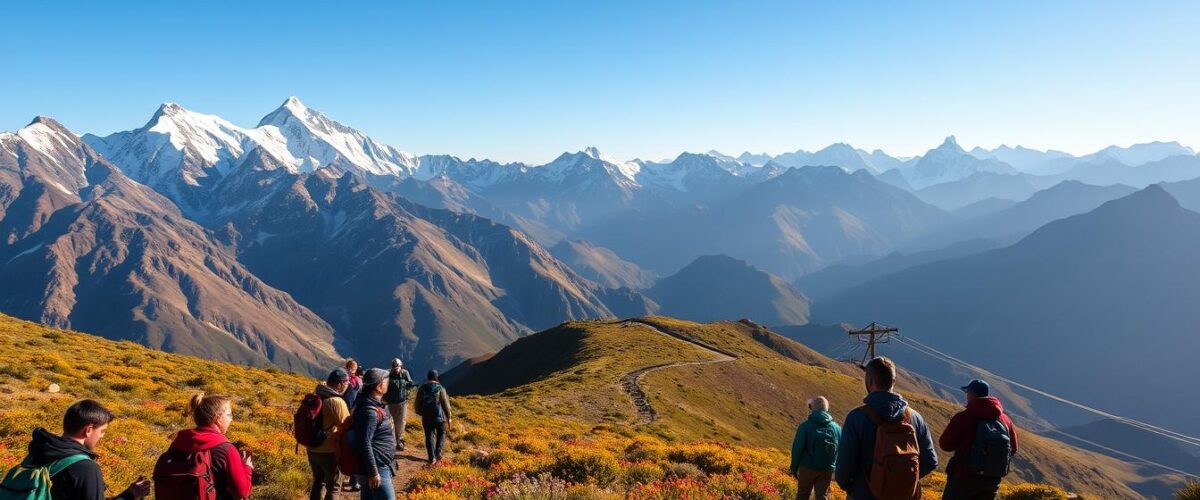
Best Time of Year to Trek in the Atlas Mountains

Best Time of Year to Trek in the Atlas Mountains

Trekking in the Atlas Mountains is an adventure like no other. Located in Morocco, this mountain range offers breathtaking landscapes, diverse wildlife, and a unique cultural experience. However, the success of your trek largely depends on choosing the right season.

The Atlas Mountains present a challenging yet rewarding trekking experience. With its snow-capped peaks, valleys, and traditional Berber villages, it’s a haven for trekkers. Understanding the seasonal variations is crucial for a safe and enjoyable journey.

Key Takeaways

  • Understanding the seasonal weather is crucial for a successful trek.
  • The Atlas Mountains offer diverse trekking routes for all levels.
  • Morocco’s unique culture is deeply intertwined with the Atlas Mountains.
  • Trekking in the Atlas Mountains can be a life-changing experience.
  • Preparation is key to navigating the Atlas Mountains safely.

The Majestic Atlas Mountains: An Overview

The majestic Atlas Mountains, a haven for trekkers and cultural enthusiasts alike, present an intriguing mix of geography, culture, and adventure. Stretching across Morocco, Algeria, and Tunisia, this North African mountain range is a treasure trove of diverse landscapes and rich cultural heritage.

Geography and Location

The Atlas Mountains are not just a single range but a series of mountain ranges that stretch for over 2,500 kilometers. They separate the Mediterranean and Atlantic coastlines from the Sahara Desert, creating a unique geography that supports a wide range of flora and fauna. The highest peak, Jbel Toubkal, located in Morocco, is a notable landmark and a popular trekking destination.

Cultural Significance

The Atlas Mountains are home to the Berber communities, who have preserved their traditional way of life amidst the rugged landscapes. The region is steeped in history and culture, with numerous villages and archaeological sites that reflect its rich heritage. As one Berber proverb goes,

“The mountains are the backbone of the earth, and the people are its soul.”

This cultural significance is a major draw for visitors.

Popular Trekking Routes

The Atlas Mountains offer a variety of trekking routes that cater to different levels of experience and interest. From the challenging ascent of Jbel Toubkal to the more leisurely walks through the valleys, there’s something for every trekker. The Toubkal Circuit and the Aït Bougmez Valley trek are particularly popular, offering breathtaking views and insights into local culture.

Climate Patterns in the Atlas Mountains

The diverse geography of the Atlas Mountains results in varied climate patterns throughout the year. This variation is crucial for trekkers to understand, as it significantly impacts the trekking experience.

Temperature Variations Throughout the Year

Temperature in the Atlas Mountains varies significantly with both season and altitude. During the summer months, daytime temperatures can be quite warm, especially at lower elevations, while nights can remain cool. In contrast, winters are cold, with significant snowfall at higher altitudes. Understanding these temperature fluctuations is key to preparing appropriately for a trek.

As noted by trekking experts, “the temperature difference between day and night can be quite pronounced, requiring trekkers to pack layers for their journey.”

Precipitation and Snowfall Patterns

Precipitation in the Atlas Mountains is seasonal, with most of the rainfall occurring during the winter months. Snowfall is common at higher elevations, making some trails inaccessible during the peak winter months. The snow melts as the weather warms, replenishing water sources and creating lush landscapes during the spring.

Altitude Considerations

Altitude plays a significant role in the trekking experience in the Atlas Mountains. As trekkers ascend, the air thins, and temperatures drop. It’s essential to acclimate to higher altitudes to avoid altitude sickness. Planning the trek to include rest days for acclimatization can make a significant difference.

As one trekker

“The higher you go, the colder it gets, even during the summer. It’s a good idea to always be prepared for cold conditions.”

Spring Trekking: March to May

Spring breathes new life into the Atlas Mountains, offering a unique trekking experience with mild temperatures and blooming flora. This season is characterized by the melting of snow, making higher altitude trails more accessible, and the blossoming of wildflowers, which adds color and vibrancy to the landscape.

Weather Conditions

During spring, the Atlas Mountains experience mild temperatures, with daytime highs ranging from 15°C to 20°C (59°F to 68°F) and nighttime lows around 5°C to 10°C (41°F to 50°F). The weather is generally stable, with clear skies and minimal precipitation, making it an ideal time for trekking.

Unpredictable weather can occur, with occasional rain showers and potential late-season snowfalls at higher elevations. Trekkers should be prepared for variable conditions.

Trail Accessibility

As the snow melts, trails become more accessible, allowing trekkers to explore higher altitude paths that were previously closed. However, some high-altitude trails may still be snow-covered, especially in early spring.

  • Lower altitude trails are generally clear by late March.
  • Higher altitude trails may remain snow-covered until late May.

Flora and Fauna Highlights

Spring is a time of renewal in the Atlas Mountains, with wildflowers blooming across the landscape. Trekkers can expect to see a variety of flora, including almond blossoms and other fruit trees. The season also brings an increase in wildlife activity, with animals emerging from their winter habitats.

Advantages and Challenges

The advantages of spring trekking include comfortable temperatures and the beauty of blooming flora. However, trekkers may face challenges such as unpredictable weather and potentially muddy trails due to melting snow.

“Spring is a wonderful time to trek in the Atlas Mountains. The landscapes are breathtaking, with wildflowers in bloom and the snow-capped peaks still visible.” – Experienced Trekker

Summer Trekking: June to August

Summer trekking in the Atlas Mountains offers a unique blend of adventure and breathtaking scenery. The warm weather during these months makes it an ideal time to explore the higher altitudes, where the air is crisp and the views are unobstructed.

Temperature and Weather Patterns

During the summer, the Atlas Mountains experience warm temperatures, especially during the day. However, the temperature drops significantly at night, especially at higher elevations. Trekkers should be prepared for this fluctuation by packing layers. The summer months are generally dry, making the trails more accessible, but occasional thunderstorms can occur, bringing sudden rain and cooler temperatures.

“The Atlas Mountains in summer are a hiker’s dream, with clear skies and comfortable temperatures making for perfect trekking conditions.”

Crowd Levels

Summer is peak tourist season, and the Atlas Mountains are no exception. Popular trails can get crowded, especially on weekends and holidays. However, with some planning, trekkers can still find solitude by venturing off the beaten path or starting their day early.

Water Availability on Trails

Water sources can be scarce during the summer months due to the dry weather. Trekkers should plan their itinerary accordingly, ensuring they have enough water supply. It’s also advisable to refill water at known sources and to treat or filter water before consumption.

Best Routes for Summer

The Toubkal Circuit is a popular choice for summer trekking, offering stunning views of the surrounding landscape. Another option is the Tazaghart Trail, which provides a more secluded experience. Both routes offer unique challenges and rewards, making them ideal for trekkers looking to experience the best of the Atlas Mountains during the summer.

Fall Trekking: September to November

Fall trekking in the Atlas Mountains is a treat for the senses, with the changing foliage and mild weather creating perfect conditions for exploration. As the summer heat dissipates, the mountains transform into a vibrant tapestry of autumn colors, making the trails not only visually appealing but also more comfortable to navigate.

Weather Conditions

The fall season in the Atlas Mountains is characterized by mild temperatures, with average highs ranging from 15°C to 20°C (59°F to 68°F) during the day. Nights can be cool, especially at higher elevations, so trekkers should be prepared with appropriate clothing. The weather is generally stable, with clear skies prevailing, making it ideal for trekking and enjoying the scenic views.

Scenic Highlights

One of the most striking aspects of fall trekking in the Atlas Mountains is the scenery. The changing foliage, with leaves turning golden, amber, and red, creates a picturesque landscape. The contrast between the vibrant foliage and the rugged mountain terrain is breathtaking, offering numerous opportunities for stunning photographs.

Harvest Season and Cultural Experiences

Fall is also the harvest season in the Atlas Mountains, providing trekkers with a unique cultural experience. Villages along the trekking routes are often bustling with activity as locals harvest crops. Trekkers can engage with the local communities, learn about their traditions, and enjoy the local cuisine, which is often highlighted by freshly harvested produce.

Advantages and Challenges

The advantages of fall trekking include comfortable weather, fewer crowds compared to the summer months, and the opportunity to experience local culture during the harvest season. However, trekkers should be aware that some higher elevation trails may start to become snow-covered towards the end of November, potentially making them more challenging. Proper preparation and gear are essential to navigate these conditions safely.

MonthAverage High TemperatureTrail Conditions
September18°C (64°F)Generally clear, some foliage change
October16°C (61°F)Vibrant foliage, comfortable trails
November12°C (54°F)Some snow at higher elevations, cooler temperatures

Winter Trekking: December to February

Winter trekking in the Atlas Mountains offers a unique experience, with snow-covered peaks and valleys that are both challenging and breathtakingly beautiful. The serene landscapes and frozen waterfalls create a tranquil atmosphere, making it an attractive adventure for those who are well-prepared.

winter trekking Atlas Mountains

Snow Conditions and Accessibility

The snow conditions in the Atlas Mountains during winter can vary greatly depending on the altitude and weather patterns. Higher elevations receive heavy snowfall, making some trails inaccessible without proper snow gear. However, lower trails may remain accessible, offering scenic views of snow-capped peaks.

Trail accessibility is a crucial factor to consider. Some routes may be closed due to heavy snow or avalanches, so it’s essential to check local conditions before embarking on your trek.

Required Equipment and Preparation

Winter trekking requires specialized equipment, including crampons, ice axes, and warm, layered clothing. Trekkers should also be prepared with emergency supplies such as first aid kits, flashlights, and high-energy foods.

Preparation is key to a successful winter trek. This includes physical conditioning, knowledge of snow safety, and understanding how to use winter trekking gear.

Winter-Specific Routes

Some routes in the Atlas Mountains are particularly suited for winter trekking. These include trails that offer stunning views of snow-covered landscapes and frozen lakes. Guides or local trekking organizations can provide valuable insights into the best winter routes.

Safety Considerations

Safety is paramount during winter trekking. Avalanche risks are a significant concern, and trekkers should be aware of the terrain and weather conditions. Traveling with a guide or experienced group can enhance safety.

Additionally, being prepared for emergencies and having a plan in place can make a significant difference in case of unexpected situations.

Best Time of Year to Trek in the Atlas Mountains: Expert Recommendations

The Atlas Mountains offer a diverse range of trekking experiences throughout the year, but the optimal time to visit depends on your specific interests. Whether you’re a beginner looking for a gentle hike or an experienced trekker seeking a challenging adventure, the Atlas Mountains have something to offer.

For Beginners

For those new to trekking, the spring (March to May) and fall (September to November) seasons are ideal. During these periods, the weather is mild, and the trails are less crowded than in the peak summer months. The temperatures are comfortable, making it easier for beginners to acclimate to the demands of trekking. Moderate temperatures and scenic landscapes make these seasons perfect for learning and enjoying the beauty of the Atlas Mountains.

For Experienced Trekkers

Experienced trekkers may prefer the winter months (December to February) for a more challenging adventure. The snow-covered peaks and frozen lakes offer a unique and exhilarating experience. However, it’s crucial to be well-prepared with the right equipment and knowledge of winter trekking techniques. The serene beauty of the snow-covered landscapes is a significant draw for those seeking a more rugged experience.

For Photography Enthusiasts

Photography enthusiasts will find the Atlas Mountains captivating during the spring and fall. The mild weather and clear skies provide optimal conditions for capturing stunning images. The vibrant colors of spring and the golden hues of fall add to the visual appeal, making these seasons ideal for photographers. The changing light and landscapes offer endless opportunities for creative photography.

For Wildlife Observation

For those interested in wildlife observation, the Atlas Mountains are home to a diverse range of flora and fauna. The spring season is particularly good for spotting wildlife as the animals are more active during this time. The mild weather also makes it easier to traverse the terrain and observe the wildlife in their natural habitats.

Regional Variations Within the Atlas Range

It’s also important to consider the regional variations within the Atlas Mountains. The High Atlas, for example, has a more extreme climate compared to the Anti-Atlas. Understanding these regional differences can help trekkers plan their itinerary more effectively and make the most of their trekking experience.

Practical Planning Considerations

When planning a trek in the Atlas Mountains, several practical considerations must be taken into account to ensure a smooth and enjoyable experience. The region’s diverse climate and geography mean that the availability of services and infrastructure can vary significantly throughout the year.

Atlas Mountains trek planning

Seasonal Accommodation Availability

Accommodation options in the Atlas Mountains range from basic guesthouses to luxury resorts. However, the availability of these accommodations can be seasonally dependent. During peak trekking seasons, such as spring and fall, it’s advisable to book accommodations in advance to avoid availability issues.

In contrast, during the off-season, some facilities may be closed or operate on reduced hours. Trekkers should plan accordingly and research their options in advance.

Guide Services Throughout the Year

Engaging a local guide can significantly enhance the trekking experience in the Atlas Mountains. Guide services are available throughout the year, but their availability and expertise can vary by season. For instance, guides familiar with winter conditions are essential for treks during this period.

“A good guide knows the mountains like the back of their hand, ensuring a safe and enriching experience for trekkers.” – Experienced Trekker

Transportation Options by Season

Transportation to and within the Atlas Mountains region is another critical consideration. The availability of transportation services, including shuttle buses and rental vehicles, can fluctuate with the season. During peak seasons, services are more frequent, while off-peak seasons may see reduced schedules.

Trekkers should also be prepared for variable road conditions, especially during winter months when certain routes may become inaccessible.

Booking and Cost Variations

Both the cost and the necessity of booking services in advance vary by season. Peak seasons require early booking of accommodations and guide services to ensure availability. Costs can also be higher during these periods due to increased demand.

In contrast, off-peak seasons may offer more competitive pricing, but trekkers must be prepared for potential limitations in services.

Conclusion

Trekking in the Atlas Mountains is a unique experience that offers breathtaking landscapes and diverse cultural encounters. The best time to trek depends on your preferences and interests. Whether you’re looking for mild weather, scenic beauty, or specific outdoor activities, the Atlas Mountains have something to offer throughout the year.

For those who prefer milder temperatures and vibrant landscapes, spring and fall are ideal. Summer is perfect for experienced trekkers who can handle the heat, while winter offers a serene and snowy experience for those equipped for cold-weather trekking.

When planning your trek, consider factors such as trail accessibility, accommodation availability, and guide services. By choosing the right time and preparing accordingly, you can ensure a safe and enjoyable trekking experience in the Atlas Mountains.

In conclusion, trekking in the Atlas Mountains is a rewarding adventure that can be tailored to suit various interests and preferences. With proper planning and preparation, you can make the most of your trek and create lasting memories.

FAQ

What is the best time to trek in the Atlas Mountains?

The best time to trek in the Atlas Mountains depends on your preferences, but generally, spring (March to May) and fall (September to November) are considered ideal due to mild temperatures and scenic landscapes.

Are the Atlas Mountains accessible during winter?

Yes, the Atlas Mountains are accessible during winter, but some high-altitude trails may be closed due to heavy snowfall. It’s essential to be well-prepared with proper equipment and guides.

What are the temperature variations like in the Atlas Mountains?

Temperature variations in the Atlas Mountains can be significant, with cold winters and mild summers. It’s not uncommon to experience temperature fluctuations between day and night.

Can I trek in the Atlas Mountains without a guide?

While it’s possible to trek without a guide, hiring a local guide is highly recommended, as they provide valuable insights into the region’s culture, geography, and potential hazards.

What kind of equipment do I need for trekking in the Atlas Mountains?

The necessary equipment for trekking in the Atlas Mountains includes sturdy hiking boots, comfortable clothing, a first-aid kit, and layers for temperature control. In winter, crampons and ice axes may be required.

Are there any specific health concerns I should be aware of when trekking in the Atlas Mountains?

Trekkers should be aware of altitude sickness, dehydration, and sun exposure. It’s also essential to take precautions against insect-borne illnesses and to stay hydrated.

Can I observe wildlife during my trek in the Atlas Mountains?

Yes, the Atlas Mountains are home to a diverse range of wildlife, including Barbary macaques, eagles, and various bird species. The best time for wildlife observation is typically during the spring and early summer.

How do I book accommodations and guide services for my trek?

Booking accommodations and guide services in advance is recommended, especially during peak trekking seasons. You can contact local tour operators or use online platforms to make arrangements.

What are the most popular trekking routes in the Atlas Mountains?

Some of the most popular trekking routes in the Atlas Mountains include the Toubkal Circuit, the Mgoun Massif trek, and the Tichka Plateau trek. These routes offer a range of challenges and scenic rewards.

Are there any regional variations within the Atlas Mountains that I should consider?

Yes, the Atlas Mountains encompass a broad region with varying landscapes, climates, and cultural practices. Understanding these regional differences can enhance your trekking experience.
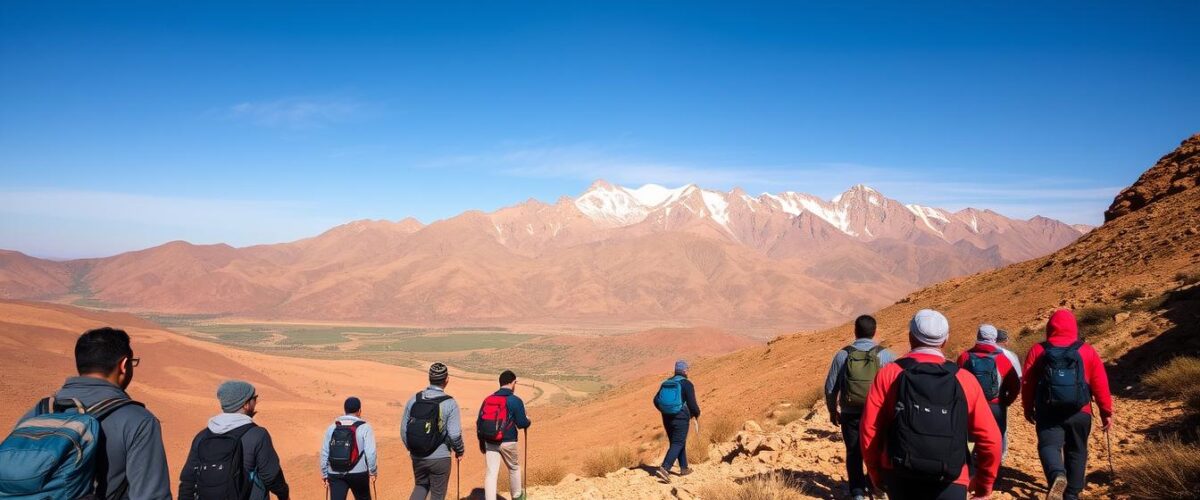
Trekking in Morocco

Complete Guide to Trekking in Morocco

Embark on an unforgettable adventure through the diverse landscapes of Morocco, a country that offers a unique blend of cultures, terrains, and experiences. From the majestic Atlas Mountains to the serene valleys and vibrant local communities, trekking here is an immersive journey into the heart of North Africa.

Whether you’re a seasoned trekker or just starting out, Morocco promises an exciting experience with its varied trails, breathtaking vistas, and warm hospitality. This guide is designed to help you plan your trekking adventure, covering essential information on the best routes, preparation tips, and what to expect along the way.

Key Takeaways

  • Discover the diverse landscapes and cultures of Morocco through trekking.
  • Explore the majestic Atlas Mountains and other scenic trails.
  • Learn essential tips for planning and preparing your trekking adventure.
  • Experience the warm hospitality and vibrant local communities.
  • Find the best routes for your skill level and interests.

The Magic of Morocco’s Trekking Landscapes

The varied geography of Morocco creates a trekker’s paradise, with mountains, valleys, and deserts to explore. Morocco’s diverse landscapes offer a unique blend of natural beauty and cultural richness, making it an ideal destination for trekkers.

Moroccan trekking landscapes

Geographic Diversity: Mountains, Valleys, and Deserts

Morocco is home to the Atlas Mountains, a range that stretches across the country and offers some of the most spectacular trekking routes in North Africa. The High Atlas is particularly notable, with peaks like Mount Toubkal, the highest in the region. Beyond the mountains, Morocco’s diverse geography includes lush valleys and vast desert expanses, such as the Sahara.

The valleys, often inhabited by Berber communities, provide a glimpse into traditional Moroccan life. The deserts, with their majestic dunes and oases, offer a serene and challenging trekking experience.

What Makes Morocco a Unique Trekking Destination

Morocco’s unique blend of African, Arab, and European influences creates a rich cultural tapestry that trekkers can experience firsthand. The country’s trekking routes are not just about natural beauty; they’re also a journey through history and culture.

Brief History of Trekking in the Region

Trekking in Morocco has a long history, dating back to the early 20th century when European explorers first ventured into the Atlas Mountains. Today, Morocco is a well-established trekking destination, attracting adventurers from around the world.

RegionNotable TreksCultural Highlights
High AtlasMount Toubkal, Azzaden ValleyBerber villages, traditional agriculture
Sahara DesertErg Chebbi, Erg ChigagaNomadic tribes, desert oases
Rif MountainsKetama Region, Jebel TidirhineRif culture, traditional crafts

Best Seasons for Trekking in Morocco

Understanding the seasonal weather patterns is crucial for planning a successful trek in Morocco. The country’s diverse geography means that weather conditions can vary significantly from one region to another.

Spring and Fall: The Ideal Trekking Windows

Spring (March to May) and fall (September to November) are considered the best seasons for trekking in Morocco. During these periods, the weather is mild and pleasant, with comfortable temperatures ranging from 15°C to 25°C (59°F to 77°F). The spring season brings blooming wildflowers and lush vegetation, making the landscapes particularly vibrant.

Morocco trekking seasons

Winter Trekking in the Atlas Mountains

Winter (December to February) can be a good time for trekking in the Atlas Mountains, provided you are well-prepared for cold conditions. The higher peaks are often snow-capped, requiring crampons and ice axes for certain routes.

Avoiding Summer Heat: Special Considerations

Summer (June to August) is generally hot, especially in the desert regions and lower valleys. Trekkers should be prepared for high temperatures, often exceeding 35°C (95°F). It’s essential to trek early in the morning or late in the afternoon to avoid the peak heat.

SeasonWeather ConditionsTrekking Considerations
SpringMild temperatures, blooming wildflowersComfortable trekking conditions
FallPleasant temperatures, harvest atmosphereStable weather, vibrant landscapes
WinterCold at high altitudes, potential snowRequires winter gear for high peaks
SummerHot, especially in desert regionsEarly morning or late afternoon treks, hydration, sun protection

Planning Your Moroccan Trek: Essential Preparation

Trekking in Morocco requires careful preparation, from visa requirements to physical conditioning. Ensuring you’re well-prepared will significantly enhance your trekking experience.

Visa Requirements and Entry Information

Before planning your trek, it’s essential to understand Morocco’s visa requirements. Citizens of many countries, including the United States, can enter Morocco without a visa for up to 90 days. However, it’s crucial to check the latest regulations based on your nationality.

Verify the visa requirements through the official Moroccan government website or consult with the nearest Moroccan embassy or consulate.

Physical Conditioning for Mountain Terrain

Morocco’s trekking trails, especially in the Atlas Mountains, can be challenging. A good level of physical fitness is necessary to navigate the rugged terrain comfortably.

Start a training regimen at least 2-3 months prior to your trek, focusing on cardiovascular exercises and strength training.

Comprehensive Packing List for Moroccan Treks

Packing the right gear is vital for a successful trek. Here’s a breakdown of what you’ll need:

Clothing and Footwear

  • Moisture-wicking base layers
  • Insulating mid-layers
  • Waterproof outer layers
  • Sturdy, waterproof trekking boots
  • Comfortable trekking socks

Equipment and Gear

  • Trekking poles
  • Sleeping bag suitable for cold temperatures
  • Backpack with rain cover
  • Water purification tablets or filter
  • First-aid kit

By carefully preparing for your Moroccan trek, you’ll be able to fully enjoy the breathtaking landscapes and rich cultural experiences that Morocco has to offer.

The High Atlas: Morocco’s Premier Trekking Region

For trekkers, the High Atlas in Morocco represents a paradise of rugged beauty and rich cultural heritage. This mountain range is home to some of the most spectacular trekking routes in North Africa, attracting adventurers from around the world.

Mount Toubkal Routes: Conquering North Africa’s Highest Peak

Mount Toubkal, standing at 4,167 meters, is the highest peak in North Africa and a must-visit for serious trekkers. The mountain offers several routes to the summit, with the most popular being the South Route, known for its relatively easier access. Trekkers can enjoy breathtaking views of the surrounding landscape and experience the unique flora and fauna of the region.

Azzaden Valley and Remote Berber Villages

The Azzaden Valley is a hidden gem within the High Atlas, offering trekkers a chance to explore remote Berber villages and experience traditional Amazigh culture. The valley is characterized by its lush landscapes, especially during spring, and provides a serene trekking environment away from the crowds.

M’Goun Massif: The Less-Traveled Gem

The M’Goun Massif is another highlight of the High Atlas, offering a less-traveled alternative to Mount Toubkal. This region is known for its stunning gorges, diverse wildlife, and picturesque villages. Trekkers can explore the M’Goun River and enjoy the tranquility of this beautiful area.

Accommodation Options in the High Atlas

From basic kasbahs to luxury mountain lodges, the High Atlas offers a range of accommodation options to suit different preferences and budgets. Trekkers can choose to stay in traditional Berber homes for a more authentic experience or opt for more comfortable lodges that offer modern amenities.

Accommodation TypeLocationAmenities
KasbahsMountain villagesBasic rooms, traditional meals
Luxury LodgesNear trekking routesComfortable rooms, modern amenities
Berber HomesRemote villagesAuthentic experience, local cuisine

The High Atlas region is a treasure trove of natural beauty and cultural richness, making it a premier destination for trekkers. Whether you’re conquering Mount Toubkal, exploring the Azzaden Valley, or relaxing in a mountain lodge, the High Atlas promises an unforgettable adventure.

Beyond the High Atlas: Alternative Trekking Regions

For those seeking adventure beyond the beaten path, Morocco’s alternative trekking regions are a treasure trove of experiences. While the High Atlas Mountains are a popular destination, there are numerous other areas that offer unique and unforgettable trekking opportunities.

The Rif Mountains: Northern Morocco’s Hidden Trails

The Rif Mountains in northern Morocco offer a lush and verdant trekking experience, distinct from the more arid landscapes found in other parts of the country. Trekkers can explore the Ketama region, known for its dense forests and scenic valleys. The Rif Mountains are also home to several Berber villages, providing a glimpse into traditional Moroccan life.

Jebel Saghro and the Anti-Atlas Experience

Jebel Saghro and the Anti-Atlas Mountains offer a more rugged and remote trekking experience. Jebel Saghro is known for its stunning rock formations and diverse wildlife. Trekkers can explore the Aït Atta region, famous for its hospitality and traditional Berber culture. The Anti-Atlas range is less visited than the High Atlas, making it an ideal destination for those seeking solitude and untouched landscapes.

Desert Treks: From Erg Chebbi to Erg Chigaga

Morocco’s desert landscapes offer a unique trekking experience, with the Erg Chebbi and Erg Chigaga dunes being major attractions. Camel treks are a popular way to explore these vast desert expanses, allowing trekkers to experience the tranquility and beauty of the Sahara. Camping under the stars in the desert is a highlight of any trekking adventure in this region.

Coastal Treks Along the Atlantic

For a different perspective, coastal treks along the Atlantic offer scenic views of the ocean and surrounding cliffs. The coastal town of Taghazout is a popular starting point for these treks, which can range from easy day hikes to more challenging multi-day adventures. The coastal trails offer a mix of natural beauty and cultural experiences, with opportunities to visit local fishing villages.

In conclusion, Morocco’s alternative trekking regions offer a diverse range of experiences for trekkers. From the lush Rif Mountains to the desert landscapes of Erg Chebbi and Erg Chigaga, there’s something for every kind of adventurer. Whether you’re looking for cultural immersion, natural beauty, or simply a challenging hike, Morocco’s lesser-known trekking regions are worth exploring.

Trekking in Morocco: Cultural Immersion Opportunities

Trekking in Morocco offers more than just breathtaking landscapes; it provides a gateway to rich cultural experiences. As trekkers navigate through the mountains and valleys, they have the unique opportunity to engage with the local Berber culture.

Berber Culture and Traditions Encountered on Trails

The Berber communities in Morocco are known for their warm hospitality and rich cultural heritage. Trekkers can experience this firsthand by visiting remote villages and interacting with locals. The Berbers have a distinct culture that is reflected in their traditions, music, and daily life.

Homestays and Guesthouses in Mountain Villages

One of the most immersive experiences for trekkers is staying in homestays or guesthouses within the mountain villages. This allows for a deeper connection with the local community and a glimpse into their daily lives. Many of these homestays are family-run, offering home-cooked meals and a cozy atmosphere.

Language Basics for Trekkers

While many locals in tourist areas speak some English, learning basic Arabic and Berber phrases can greatly enhance the trekking experience. Simple greetings like “Hello” (Salam) and “Thank you” (Shukraan) can go a long way in showing respect for the culture.

Photography Ethics and Opportunities

Photography is a significant part of the trekking experience, but it’s essential to approach it with sensitivity. Asking permission before taking someone’s picture is not only polite but also often leads to interesting interactions with the locals.

Cultural PracticeDescription
Berber TraditionsRich cultural heritage including music and festivals
Local CuisineTraditional dishes such as tagine and couscous
HospitalityWarm welcomes and homestays in mountain villages

Logistics of Moroccan Treks

The allure of Morocco’s trekking trails is undeniable, yet the success of your adventure hinges on logistical planning. Understanding the logistics involved in reaching the trailheads, deciding between guided and self-guided treks, selecting reputable trekking companies, and budgeting accordingly are crucial steps in preparing for your Moroccan trekking adventure.

Transportation to Major Trailheads

Getting to Morocco’s trekking trailheads often involves a combination of transportation methods. Typically, trekkers fly into major cities like Marrakech or Ouarzazate. From there, private transfers or public buses can be used to reach the trailheads. For instance, to reach the High Atlas, one might take a bus or taxi from Marrakech to Imlil, a common starting point for Mount Toubkal treks.

Guided vs. Self-Guided Options

Deciding between a guided trek and a self-guided one depends on your experience, language proficiency, and comfort with navigating unfamiliar territories. Guided treks offer the advantage of local knowledge and logistical support, while self-guided treks provide more flexibility and independence. For those unfamiliar with the terrain or language, guided treks are often recommended.

Reputable Trekking Companies and Local Guides

Selecting a reputable trekking company or local guide can significantly enhance your trekking experience. Companies like Explore Morocco and Atlas Mountain Guides are known for their professionalism and local expertise. When choosing a company, consider their environmental policies, community engagement, and safety record.

Budgeting for Your Moroccan Trekking Adventure

Budgeting for a trek in Morocco involves considering several factors, including transportation, accommodation, guide services, and equipment. A detailed budget breakdown can help in planning. Here’s a sample budget outline:

ExpenseLow BudgetHigh Budget
Transportation$20$100
Accommodation per night$10$30
Guide Services per day$20$50
Equipment Rental per day$5$10

Effective budgeting ensures that your trek is both enjoyable and financially sustainable.

Health, Safety, and Practical Considerations

As you plan your trek in Morocco, understanding the practical considerations for health and safety is essential for a successful journey. Trekking in Morocco’s diverse landscapes can be a rewarding experience, but it requires careful preparation and awareness of potential risks.

Water Safety and Food Considerations

Staying hydrated is crucial, but so is ensuring the water is safe to drink. Trekkers should either use water purification tablets or stick to bottled water. When it comes to food, eating at local guesthouses or with your guide can be a safe bet, as they typically serve freshly prepared meals. However, it’s wise to avoid undercooked meat and unpeeled fruits and vegetables.

Altitude Sickness Prevention in the High Atlas

Altitude sickness is a risk in the High Atlas mountains, particularly when ascending Mount Toubkal, North Africa’s highest peak. To mitigate this, trekkers should ascend gradually, allowing their bodies to acclimate. Staying hydrated and avoiding strenuous activity on the first day at high altitudes can also help.

Navigation Tools and Resources

While many treks are guided, having basic navigation skills is useful. Bring a map, compass, and GPS device or a smartphone with a GPS app. Guides can also provide valuable insights into the terrain and help navigate challenging sections.

Emergency Contacts and Medical Facilities

In case of emergencies, it’s crucial to have the right contacts. Morocco’s major towns have medical facilities, and some have hospitals with emergency services. Trekkers should also have travel insurance that covers emergency evacuations.

Emergency ServiceContact Information
Emergency Number112 (or 19 for police)
Local Hospital in Marrakech+212 5244-48148

By being aware of these health, safety, and practical considerations, trekkers can minimize risks and fully enjoy the beauty and adventure that Morocco’s trekking routes have to offer.

Conclusion: The Transformative Experience of Moroccan Trails

Trekking in Morocco offers a transformative experience that combines breathtaking landscapes, rich cultural immersion, and personal challenges. As trekkers navigate the diverse terrains, from the snow-capped Atlas Mountains to the vast desert dunes, they are met with unforgettable encounters and vistas.

The journey through Morocco’s trails is not just about the physical act of trekking; it’s an immersive experience that touches the heart and soul. Engaging with local Berber communities, staying in traditional villages, and witnessing the country’s natural beauty firsthand all contribute to a deeply enriching adventure.

For those seeking a trekking experience that is both challenging and rewarding, Morocco stands out as a premier destination. With its unique blend of natural beauty, cultural richness, and warm hospitality, trekking in Morocco promises a transformative experience that will linger long after the journey ends.

FAQ

What is the best time to trek in Morocco?

The best time to trek in Morocco is during the spring (March to May) and fall (September to November), when the weather is mild and comfortable. These periods offer ideal conditions for trekking in the Atlas Mountains and other regions.

Do I need a visa to trek in Morocco?

Visa requirements for Morocco vary depending on your nationality. Check with the Moroccan embassy or consulate in your home country to determine if you need a visa. Some nationalities are exempt from visa requirements for short stays.

What vaccinations are required for trekking in Morocco?

Consult your doctor or a travel clinic to determine the necessary vaccinations for travel to Morocco. Routine vaccinations, such as hepatitis A and typhoid, are often recommended.

Can I trek in Morocco without a guide?

While it is possible to trek in Morocco without a guide, hiring a local guide is highly recommended, especially for remote or challenging routes. Guides provide valuable insights into the local culture, history, and geography, ensuring a safer and more enjoyable experience.

What should I pack for a trek in Morocco?

Pack layers for changing weather conditions, sturdy hiking boots, comfortable clothing, a first-aid kit, and essential gear like a water filter or purification tablets. Consider the specific requirements for your trek, such as crampons for winter ascents.

How do I stay safe while trekking in Morocco?

Stay informed about local conditions, respect the environment, and follow your guide’s advice. Be prepared for changing weather, and take necessary precautions against altitude sickness. Keep valuables secure and be mindful of your surroundings.

What are the most popular trekking regions in Morocco?

The High Atlas, particularly around Mount Toubkal, is a premier trekking destination. Other popular regions include the Rif Mountains, Jebel Saghro, the Anti-Atlas, and desert treks like Erg Chebbi and Erg Chigaga.

Can I experience Berber culture while trekking in Morocco?

Yes, trekking in Morocco offers a unique opportunity to engage with Berber culture. Stay in traditional Berber villages, visit local homes, and participate in community activities to deepen your understanding and appreciation of the local way of life.

How do I budget for a trekking adventure in Morocco?

Budget for guide services, accommodations, food, transportation, and equipment rentals. Consider the cost of any necessary visas, vaccinations, and travel insurance. Plan ahead to ensure a realistic budget that covers all aspects of your trek.

What are the options for accommodations during treks in Morocco?

Accommodation options range from traditional Berber homestays and guesthouses to mountain refuges and campsites. The choice depends on the region, trek difficulty, and personal preference.