

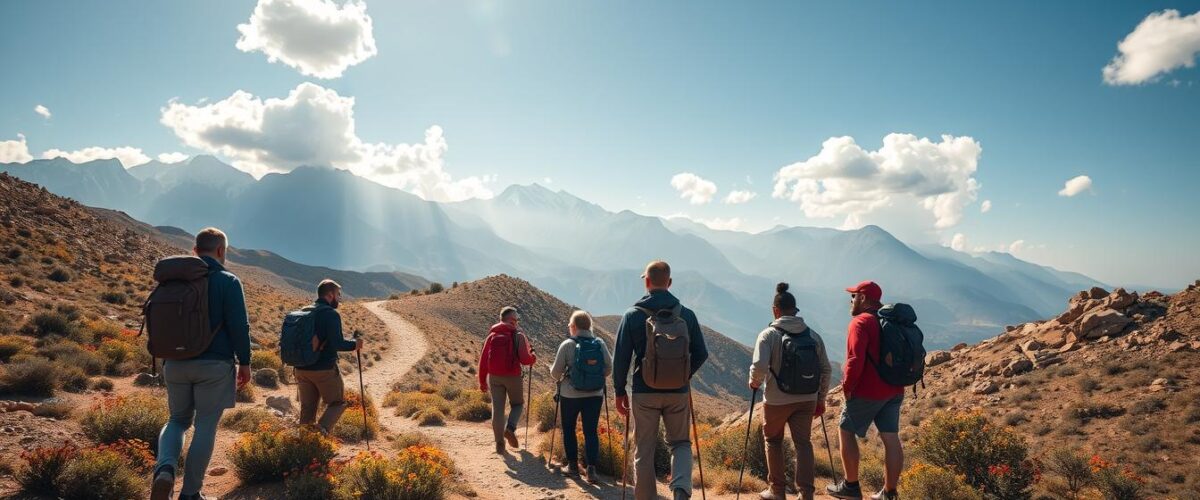
How to Prepare for Trekking in Morocco

Embark on an adventure travel journey through the breathtaking landscapes of Morocco. Trekking in Morocco offers an unforgettable experience, with its diverse geography and rich cultural heritage.
From the Atlas Mountains to the Sahara Desert, Morocco’s varied terrain promises excitement and adventure at every turn. To make the most of your Morocco trekking experience, preparation is key.
Key Takeaways
- Understand the terrain and climate of Morocco
- Prepare essential gear for trekking
- Plan your itinerary according to your fitness level
- Research local guides and tour operators
- Stay informed about local customs and regulations
The Allure of Morocco’s Trekking Landscapes
From the snow-capped Atlas Mountains to the vast Sahara Desert, Morocco’s trekking routes are unparalleled. Morocco offers a diverse range of landscapes that cater to the needs of every trekker, whether you’re a seasoned hiker or just starting out.
The country’s unique geography is characterized by its mountain ranges, valleys, and desert expanses. This diversity ensures that trekkers can experience a wide range of ecosystems and terrains, from the rugged peaks of the High Atlas to the serene dunes of the Sahara.
Geographic Diversity for Every Trekker
Morocco’s geographic diversity is a major draw for trekkers. The Atlas Mountains offer challenging climbs and breathtaking views, while the Sahara Desert provides a unique opportunity to trek across vast expanses of sand dunes. Additionally, the Rif Mountains and the Mediterranean coastal trails offer more relaxed trekking options.
Trekkers can choose from a variety of routes that cater to their skill level and interests. For instance, the Toubkal Summit in the High Atlas is a popular destination for experienced trekkers, while the Sahara Desert Expeditions offer a more leisurely pace.
| Region | Trekking Options | Difficulty Level |
|---|---|---|
| High Atlas | Toubkal Summit, Mountain Villages | Challenging |
| Sahara Desert | Desert Expeditions, Dune Trekking | Moderate |
| Rif Mountains | Mediterranean Trails, Coastal Walks | Easy to Moderate |
Historical and Natural Highlights Along Trails
Morocco’s trekking routes are not just about the landscapes; they are also steeped in history and culture. Trekkers can explore ancient kasbahs, visit traditional Berber villages, and witness unique geological formations.
Along the trails, trekkers can discover historical highlights such as ancient trade routes and archaeological sites. The natural beauty of Morocco is equally captivating, with diverse flora and fauna, and breathtaking vistas at every turn.
Best Seasons for Trekking in Morocco
Understanding the seasonal weather patterns is crucial for planning a successful trekking adventure in Morocco. The country’s diverse landscapes, from the High Atlas Mountains to the Sahara Desert, experience varied climate conditions throughout the year.
Spring (March-May): Ideal Conditions
Spring is considered one of the best seasons for trekking in Morocco. The weather is mild, with comfortable temperatures ranging from 15°C to 25°C (59°F to 77°F), making it ideal for hiking in the mountains. The trails are less crowded than in the peak summer months, and the landscapes are particularly vibrant with blooming flora.
Fall (September-November): Perfect Temperatures
Autumn in Morocco offers another excellent window for trekking. The temperatures are pleasant, similar to spring, and the summer heat has dissipated. This season is perfect for exploring the desert landscapes as well as the mountain trails, with clear skies and comfortable hiking conditions.
Avoiding Summer Heat and Winter Snow
Summer can be extremely hot, especially in the desert regions, with temperatures often exceeding 40°C (104°F). Conversely, winters can be very cold, with significant snowfall in the higher elevations, making some trails impassable. Planning your trek during the spring or fall can help you avoid these extreme conditions.
| Season | Weather Conditions | Ideal For |
|---|---|---|
| Spring (March-May) | Mild temperatures, blooming landscapes | Mountain treks, exploring flora |
| Fall (September-November) | Pleasant temperatures, clear skies | Desert and mountain treks |
| Summer (June-August) | Extreme heat | Avoid |
| Winter (December-February) | Cold, snow | Avoid high-altitude treks |
By choosing the right season for your trek, you can ensure a more enjoyable and safe experience in Morocco’s diverse landscapes.
Top Trekking in Morocco Routes and Destinations
From the snow-capped peaks of the High Atlas to the vast expanses of the Sahara Desert, Morocco is a trekker’s paradise. The country’s diverse landscapes offer a wide range of trekking routes that cater to different skill levels and preferences.
High Atlas Mountains and Toubkal Summit
The High Atlas Mountains are a popular destination for trekkers, with the Toubkal Summit being the highest peak in North Africa. The trek to Toubkal offers breathtaking views of the surrounding mountains and valleys.
Difficulty Levels and Trail Options
The trails in the High Atlas range from moderate to challenging, with options for shorter day hikes or longer, more immersive treks. Trekkers can choose from various routes, each offering a unique experience.
Scenic Highlights and Villages
Along the way, trekkers can enjoy scenic highlights such as traditional Berber villages, lush valleys, and rugged mountain peaks. The region is rich in cultural heritage, with opportunities to experience local hospitality.
Sahara Desert Expeditions
For a truly unique trekking experience, the Sahara Desert offers vast expanses of sand dunes, oases, and nomadic cultures. Trekkers can embark on multi-day expeditions, camping under the stars and experiencing the tranquility of the desert.
“The Sahara Desert is a vast and beautiful place, full of mystery and wonder. Trekking through its dunes is an experience unlike any other.”
Rif Mountains and Mediterranean Trails
The Rif Mountains offer a different trekking experience, with lush forests, rugged terrain, and stunning views of the Mediterranean coastline. This region is ideal for those looking to explore less crowded trails.
With its diverse landscapes and rich cultural heritage, Morocco offers a wealth of trekking opportunities. Whether you’re a seasoned adventurer or just starting out, there’s a trekking route in Morocco that’s right for you.
Physical Preparation for Moroccan Terrain
To fully enjoy Morocco’s trekking trails, preparing your body for the challenge is essential. Morocco’s diverse terrains, from the High Atlas Mountains to the Sahara Desert, demand a good level of physical fitness to ensure a safe and enjoyable experience.
Conditioning Program for Various Landscapes
A well-structured conditioning program is vital for tackling Morocco’s varied landscapes. This includes:
Cardio and Strength Training
Engaging in cardio exercises such as running, cycling, or swimming, alongside strength training to build muscular endurance, is crucial. Aim for at least 30 minutes of cardio, 3 times a week, and strength training exercises 2 times a week.
Practice Hikes with Elevation
Undertaking practice hikes with significant elevation gain helps your body adapt to the demands of trekking in mountainous regions. Try to include at least one long hike (6-8 hours) with elevation gain in your training regimen before your trip.
Altitude Acclimatization Strategies
For treks in high-altitude areas like the Atlas Mountains, acclimatizing to the elevation is crucial to avoid altitude sickness. Strategies include:
- Ascending gradually, allowing your body to adjust to higher elevations
- Staying hydrated and maintaining a balanced diet
- Resting and acclimatizing for a day or two at intermediate altitudes before continuing to higher elevations
By incorporating these strategies into your preparation, you’ll be better equipped to handle the physical demands of trekking in Morocco, ensuring a more enjoyable and successful adventure.
Essential Gear and Equipment Checklist
Morocco’s diverse landscapes demand a thoughtful approach to packing the essential trekking gear. The country’s varied climates and terrains, from the Sahara Desert to the Atlas Mountains, require a well-planned equipment checklist to ensure a safe and enjoyable trekking experience.
Clothing for Desert, Mountain, and Valley Climates
Packing the right clothing is crucial for adapting to Morocco’s different climates. For desert treks, lightweight, breathable clothing that protects against the sun is essential. In contrast, insulating layers are necessary for colder mountainous regions. For valley treks, versatile clothing that can handle changing temperatures is recommended.
Footwear and Technical Equipment
Appropriate footwear is vital for trekking in Morocco. Sturdy hiking boots with good ankle support are a must for mountain treks, while comfortable trekking shoes may suffice for less demanding routes. Technical equipment such as crampons and trekking poles may also be necessary, depending on the terrain and season.
Packing Light Without Sacrificing Necessities
While it’s essential to pack the necessary gear, it’s equally important to travel light. Selecting multi-use items and packing clothes that can be layered helps reduce luggage weight. A well-planned packing list ensures you have everything you need without overburdening yourself.
Guides, Permits and Planning Requirements
A successful trekking trip in Morocco hinges on proper planning, including the hiring of local guides and securing necessary permits. Morocco’s trekking trails, ranging from the Atlas Mountains to the Sahara Desert, offer breathtaking landscapes and cultural experiences, but they also require careful preparation.
When to Hire Local Guides
Hiring a local guide is highly recommended for most treks in Morocco, especially in remote areas like the Sahara Desert or the High Atlas Mountains. Local guides provide invaluable insights into the terrain, culture, and history of the regions you traverse. They can also assist with language barriers, as they often speak multiple languages, including Arabic, Berber dialects, and European languages.
Required Permits for National Parks
Certain trekking routes in Morocco, particularly those within national parks like Toubkal National Park, require permits. These permits help regulate the number of trekkers and support conservation efforts. It’s essential to obtain the necessary permits through official channels or reputable tour operators to avoid any legal issues during your trek.
Booking Accommodations in Advance
Booking your accommodations in advance is crucial, especially during peak trekking seasons (spring and fall). Many trekking routes pass through small Berber villages where lodging options are limited. Advance booking ensures that you have a place to stay, particularly in areas with limited infrastructure.
| Service | Importance | Recommendation |
|---|---|---|
| Local Guides | High | Hire for most treks, especially in remote areas |
| Permits | High | Obtain through official channels or reputable tour operators |
| Accommodations | Medium | Book in advance, especially during peak seasons |

Cultural Immersion During Your Trek
As you trek through Morocco’s diverse terrains, you’ll encounter the warm hospitality of Berber villages, providing a unique cultural immersion experience. This aspect of trekking in Morocco is just as significant as the landscapes and physical challenges.
Berber Villages and Hospitality
Berber villages are a highlight of any trek in Morocco. The villagers are known for their hospitality, often welcoming trekkers into their homes for a meal or a rest. This is a great opportunity to learn about Berber culture and way of life.
Respecting Local Customs and Traditions
When visiting Berber villages, it’s essential to respect local customs. Dress modestly, and be mindful of traditions. Understanding and respecting these customs can greatly enhance your experience and interactions with the locals.
Essential Arabic and Berber Phrases
Learning a few essential phrases in Arabic and Berber can go a long way in showing respect for the culture. Phrases like “hello” (Shukraan in Arabic) and “thank you” (Tanmmirt in Berber) can help break the ice and foster goodwill.
Health and Safety on Moroccan Trails
The rugged beauty of Morocco’s trekking routes demands respect and careful planning. Ensuring a safe and healthy trek requires attention to several key areas.
Medical Preparations and Vaccinations
Before embarking on your trek, it’s essential to consult with a healthcare professional to determine the necessary vaccinations and medications. Routine vaccinations such as MMR, DTaP, and polio are usually recommended, while hepatitis A and typhoid vaccinations are often suggested for travel to Morocco.
Emergency Protocols and Communication
In case of an emergency, having a plan is crucial. Ensure your trekking group has a first aid kit and that someone is trained in its use. For communication, consider renting a satellite phone or ensuring your mobile phone is compatible with Morocco’s networks. It’s also wise to register with your country’s travel advisory department.

Water Purification and Food Safety
Access to safe drinking water is vital. Methods for purifying water include boiling, using water purification tablets, or employing a portable water filter. When it comes to food, avoid undercooked meat and unpeeled fruits and vegetables. Sticking to bottled or filtered water and eating at reputable establishments can minimize the risk of foodborne illnesses.
| Health and Safety Aspect | Recommendation |
|---|---|
| Medical Preparations | Consult a healthcare professional for necessary vaccinations |
| Emergency Protocols | Carry a first aid kit and have a communication plan |
| Water Purification | Use boiling, purification tablets, or a portable filter |
Transportation and Logistics
Navigating Morocco’s diverse landscapes requires understanding the transportation options available to reach major trailheads. Effective logistics planning is crucial for a smooth and enjoyable trekking experience.
Getting to Major Trailheads from Cities
Trekkers can access major trailheads from cities through various transportation methods.
Public Transportation Options
Public transportation in Morocco includes buses and trains that connect major cities to smaller towns near trekking trailheads. Companies like Supratours offer bus services that can drop trekkers close to their starting points.
Private Transfers and Shared Taxis
For more direct or flexible travel, private transfers and shared taxis are available. These services can be booked in advance and offer a convenient way to reach remote trailheads.
Planning Multi-Region Itineraries
When planning to trek across multiple regions, it’s essential to consider the logistics of traveling between these areas. Here are some tips:
- Research transportation options between regions.
- Book accommodations and guides in advance, especially during peak trekking seasons.
- Consider the time required for travel between regions to ensure a realistic itinerary.
By understanding the transportation and logistics options, trekkers can better plan their adventure in Morocco, ensuring a stress-free and enjoyable experience.
Conclusion: Embracing the Adventure of Trekking in Morocco
Trekking in Morocco offers an unforgettable adventure travel experience, with its diverse landscapes, rich cultural heritage, and warm hospitality. From the snow-capped peaks of the High Atlas to the vast expanses of the Sahara Desert, Morocco’s varied terrain promises an exciting journey for trekkers of all levels.
As you plan your Morocco adventure, remember to prepare thoroughly, choosing the right season, gear, and guides to ensure a safe and enjoyable experience. With its unique blend of natural beauty, cultural immersion, and adventure, trekking in Morocco is an experience that will leave you with lifelong memories.
Whether you’re a seasoned trekker or just starting out, Morocco’s trails await. So pack your bags, lace up your hiking boots, and get ready to embark on an unforgettable journey through one of the world’s most fascinating countries.
FAQ
What is the best time to trek in Morocco?
The best times to trek in Morocco are during the spring (March-May) and fall (September-November), when temperatures are mild and conditions are ideal for trekking.
Do I need a guide to trek in Morocco?
While not always necessary, hiring a local guide can be beneficial, especially for treks in remote areas or national parks, as they provide valuable insights and ensure safety.
What kind of gear should I pack for trekking in Morocco?
Essential gear includes clothing suitable for various climates, sturdy footwear, technical equipment such as trekking poles, and personal items like sunscreen and a first-aid kit.
How do I acclimatize to high altitudes while trekking in Morocco?
To acclimatize, ascend gradually, allowing your body to adjust to higher elevations. It’s also recommended to stay hydrated, avoid strenuous activities, and consider taking rest days as needed.
What health precautions should I take before trekking in Morocco?
Consult your doctor about necessary vaccinations and medications. It’s also advisable to pack a personal first-aid kit and take measures to prevent waterborne illnesses.
Can I trek in Morocco solo?
Solo trekking is possible, but it’s generally recommended to trek with a group or hire a local guide, especially for challenging routes or remote areas.
How do I get to major trailheads in Morocco?
Major trailheads can be accessed via public transportation, private transfers, or shared taxis from nearby cities. Researching transportation options in advance can help plan your itinerary.
What are some essential Arabic and Berber phrases for trekking in Morocco?
Learning basic phrases like “hello” (Marhaba), “thank you” (Shukraan), and “how much?” (Bikam?) can go a long way in showing respect for local cultures.