
A Beginner’s Guide to Hiking in Morocco

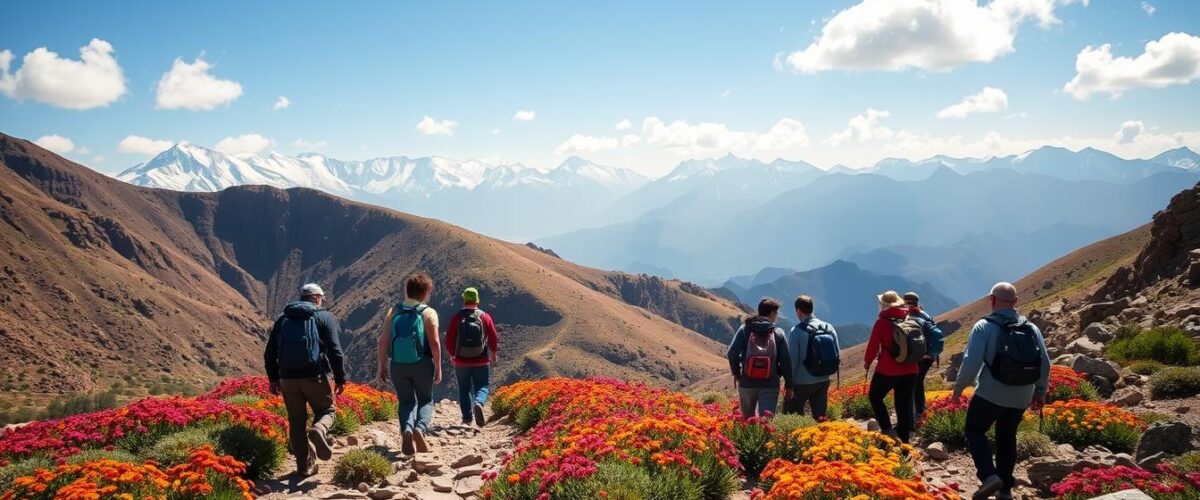
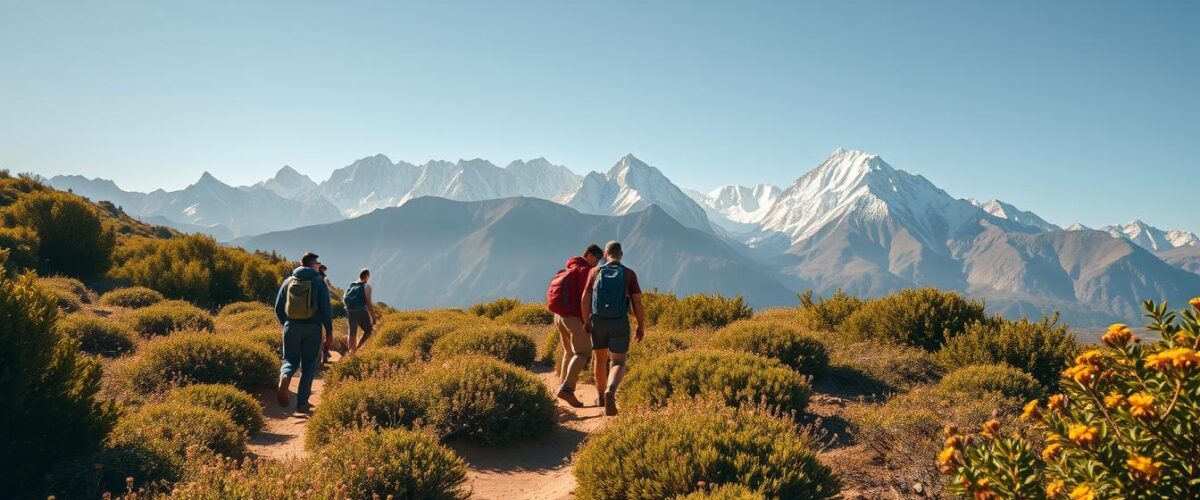
Morocco offers a diverse range of hiking trails that cater to all levels, from beginner hiking trails to more challenging routes. The country’s unique landscapes, including the Atlas Mountains and the Sahara Desert, provide a captivating backdrop for outdoor enthusiasts.
For those new to hiking, Morocco is an ideal destination to start. The varied terrain and scenic views make it an exciting place to explore. Whether you’re looking for a leisurely day hike or a multi-day trek, Morocco’s hiking trails have something to offer.
Key Takeaways
- Discover Morocco’s diverse hiking trails for all levels.
- Explore the Atlas Mountains and Sahara Desert.
- Find beginner-friendly hiking routes with scenic views.
- Experience the unique landscapes of Morocco.
- Choose from a range of hiking trails, from day hikes to multi-day treks.
Discovering Morocco’s Diverse Hiking Landscapes
From the majestic Atlas Mountains to the vast Sahara Desert, Morocco’s diverse landscapes make it a hiker’s paradise. Morocco offers a unique blend of geographical features that cater to hikers of all levels.
From Mountains to Deserts: Morocco’s Geographical Diversity
Morocco’s terrain is characterized by its diverse landscapes, including the High Atlas Mountains, the Sahara Desert, and coastal regions. This diversity provides a wide range of hiking options, from challenging mountain trails to serene desert treks.
Why Morocco Is Perfect for Beginner Hikers
Morocco is an ideal destination for beginner hikers due to its accessible trails and scenic beauty. Many trails offer gentle slopes and well-marked paths, making it easy for newcomers to navigate.
Overview of Major Hiking Regions
Some of the major hiking regions in Morocco include:
- The Atlas Mountains, known for their rugged peaks and traditional Berber villages.
- The Sahara Desert, offering vast expanses of sand dunes and nomadic cultures.
- Coastal areas like Essaouira, with its scenic coastal paths and vibrant cultural scene.
Best Seasons for Hiking in Morocco
Understanding the best seasons for hiking in Morocco is crucial for a safe and enjoyable experience. Morocco’s diverse climate means that the ideal hiking time varies significantly across different regions.
Spring and Fall: The Ideal Hiking Months
For most hiking trails in Morocco, spring (March to May) and fall (September to November) are considered the best seasons. During these periods, the weather is generally mild and pleasant, making it ideal for hiking. The temperatures are comfortable, and the landscapes are particularly beautiful, with spring bringing blooming flowers and fall offering a harvest landscape.
Weather Considerations Across Regions
Morocco’s geography is diverse, ranging from mountains to deserts. The Atlas Mountains can be cold, especially in winter, while the desert regions can be extremely hot during the summer. Understanding these regional weather patterns is essential for planning a successful hike.
Avoiding Extreme Weather Conditions
To ensure a safe hiking experience, it’s crucial to avoid extreme weather conditions. This means steering clear of the peak summer months for desert hikes and being prepared for sudden weather changes in the mountains. Always check local weather forecasts before heading out.
Essential Gear for Hiking in Morocco
When preparing for a hiking adventure in Morocco, it’s crucial to pack the right gear. Morocco’s diverse landscapes, from the Atlas Mountains to the Sahara Desert, demand a versatile and well-prepared hiker.
Clothing Recommendations for Variable Climates
Morocco’s climate varies significantly across regions and seasons. Layered clothing is essential to adapt to changing temperatures. Include lightweight, breathable fabrics for warmer days and insulating layers for cooler mornings and evenings. A waterproof jacket is also a must-have to protect against unexpected rain showers.
Footwear for Different Terrains
The right footwear can make or break a hiking trip. For Morocco’s varied terrains, sturdy hiking boots with good ankle support are recommended. For less demanding trails, trail running shoes can be a suitable alternative. Ensure your footwear is waterproof and has a good grip for rocky or slippery paths.
Backpack Essentials and Hydration
A comfortable, ergonomic backpack is vital for carrying all your hiking essentials. Pack essentials like a first-aid kit, snacks, and a water filter or purification tablets. Staying hydrated is crucial, especially in Morocco’s hot desert regions. Consider a hydration bladder for easy access to water during your hike.
Tech and Navigation Tools
In today’s digital age, GPS devices and hiking apps can be invaluable for navigation. However, it’s wise to also carry a physical map and compass as a backup. A portable power bank to keep your devices charged is also a good idea, especially on longer treks.
By carefully selecting your gear, you can ensure a safe and enjoyable hiking experience in Morocco. Whether you’re trekking through the mountains or exploring the desert, being well-prepared is key to a successful adventure.
Top Beginner-Friendly Trails in the Atlas Mountains
For those new to hiking, the Atlas Mountains provide an excellent introduction with their varied trails. The region offers a unique blend of cultural and natural experiences, making it an ideal destination for beginners.
Toubkal National Park Day Hikes
Toubkal National Park is a must-visit for any hiker in the Atlas Mountains. The park offers several day hike options that are perfect for beginners.
Trail Difficulty and Distances
The trails in Toubkal National Park vary in difficulty and distance, allowing hikers to choose a route that suits their abilities. For example, the trail to the summit of Mount Toubkal is challenging, but shorter trails like the one to the village of Imlil offer a more relaxed hike.
| Trail Name | Distance | Difficulty |
|---|---|---|
| Mount Toubkal Summit | 16 km | Challenging |
| Imlil Village Trail | 6 km | Moderate |
Scenic Highlights
The scenic highlights of Toubkal National Park include the stunning views from the summit of Mount Toubkal, the picturesque village of Imlil, and the beautiful valleys and mountains surrounding the park.
“The Atlas Mountains are a hiker’s paradise, with trails that offer breathtaking views and unique cultural experiences.” – A seasoned hiker
Ourika Valley Trails
The Ourika Valley is another great destination for beginner hikers. The valley offers a range of trails that wind through traditional Berber villages and offer stunning views of the surrounding mountains.
Imlil Valley Routes
The Imlil Valley is a popular destination for hikers, with its scenic trails and picturesque villages. The valley offers a range of routes for beginners, from easy day hikes to more challenging multi-day treks.
As noted by a local guide, “The Imlil Valley is a great place to experience the traditional Berber culture and stunning natural beauty of the Atlas Mountains.”
Coastal and Desert Hiking Options for Newcomers
Morocco offers a diverse range of hiking experiences, including coastal and desert landscapes that are perfect for newcomers. The country’s varied geography means that hikers can choose between the rugged coastline, the majestic Sahara Desert, or a mix of both, depending on their interests and fitness level.
Essaouira Coastal Paths
The coastal town of Essaouira is a gem for hikers, offering scenic paths that wind along the Atlantic coast. The terrain is generally flat and easy to navigate, making it ideal for beginners. Hikers can enjoy the fresh ocean breeze, stunning sea views, and the charming local culture.
Beginner Desert Treks in Merzouga
For those looking to experience the Sahara Desert, Merzouga offers guided treks suitable for beginners. These treks typically involve camel rides and camping under the stars, providing a truly immersive desert experience. The gradual pace allows newcomers to acclimate to the desert environment.
Agafay Desert Day Hikes
The Agafay Desert, near Marrakech, is another excellent option for day hikes. The terrain is more accessible than the Sahara, with shorter distances to cover, making it perfect for those with limited time or who prefer not to camp. Hikers can enjoy the scenic beauty of the desert landscape and engage in activities like camel riding or simply relaxing in a desert camp.
What to Expect in Desert Conditions
When hiking in desert conditions, it’s essential to be prepared for extreme temperatures and potential sandstorms. Hikers should wear protective clothing, including hats and sunglasses, and stay hydrated by drinking plenty of water. Guides can provide valuable insights into navigating the desert safely.
A Beginner’s Guide to Hiking in Morocco’s Cultural Trails
Morocco’s cultural trails are a gateway to understanding the country’s history, landscapes, and people. These trails offer a unique opportunity for hikers to immerse themselves in local cultures, explore historical sites, and experience the natural beauty of Morocco.
Berber Village Paths
The Berber village paths are a highlight of Morocco’s cultural trails. These paths wind through traditional villages, offering insights into the daily lives of the Berber people. Hikers can explore local markets, visit ancient kasbahs, and enjoy the warm hospitality of the Berber communities. Walking through these villages provides a unique cultural experience, allowing hikers to learn about the traditions and customs of the region.

Historical Routes and Their Significance
Morocco’s historical routes are steeped in history and significance. These routes have been used for centuries, connecting important trade and cultural centers. Hikers can follow in the footsteps of ancient traders and travelers, visiting significant historical sites along the way. The historical context of these routes adds depth to the hiking experience, providing a richer understanding of Morocco’s cultural heritage.
Combining Cultural Experiences with Hiking
One of the joys of hiking Morocco’s cultural trails is the ability to combine cultural experiences with outdoor adventure. Hikers can visit local festivals, enjoy traditional cuisine, and stay in traditional riads or kasbahs. This blend of culture and nature makes for a unique and memorable hiking experience. By engaging with local communities and respecting their traditions, hikers can contribute to the preservation of Morocco’s cultural heritage.
Safety Considerations for Morocco Hiking
Safety is paramount when hiking in Morocco, where varied terrain and climate conditions can pose significant challenges. Morocco’s diverse landscapes, from the Atlas Mountains to the Sahara Desert, offer many hiking opportunities, but they also come with unique safety concerns.
Sun Protection and Heat Safety
One of the primary safety concerns when hiking in Morocco is sun protection. The sun can be intense, especially in the desert regions. Using a broad-spectrum sunscreen with a high SPF, wearing a hat, and bringing sunglasses are essential measures to protect against sunburn and heatstroke.
Water Purification and Hydration
Staying hydrated is crucial, particularly in arid environments. Hikers should carry sufficient water and consider using water purification tablets or filters to ensure safe drinking water. Dehydration can lead to serious health issues, so it’s vital to drink regularly.
Emergency Preparedness in Remote Areas
When hiking in remote areas, carrying a personal locator beacon (PLB) or satellite phone can be lifesaving in case of an emergency. It’s also wise to inform someone about your hiking plans and expected return time.
Health Insurance and Medical Resources
Before traveling to Morocco, ensure you have adequate health insurance that covers medical evacuations if necessary. Researching local medical resources and having a plan for emergency medical situations can provide peace of mind.
| Safety Measure | Description | Importance Level |
|---|---|---|
| Sun Protection | Use sunscreen, hat, and sunglasses | High |
| Water Purification | Use water purification tablets or filters | High |
| Emergency Preparedness | Carry PLB or satellite phone, inform others of plans | High |
| Health Insurance | Ensure coverage for medical evacuations | High |
By taking these safety considerations into account, hikers can enjoy Morocco’s beautiful landscapes while minimizing risks.
Navigating and Transportation Tips
Navigating Morocco’s diverse landscapes requires a combination of preparation and local knowledge. Understanding the best ways to get to trailheads and navigate once you’re there can make a significant difference in your hiking experience.
Getting to Trailheads from Major Cities
Major cities like Marrakech serve as gateways to many of Morocco’s hiking trails. To get to trailheads, you can hire a private car or use public transportation such as buses or taxis. Booking a guided tour can also simplify the process.
Using Maps and GPS in Morocco
While GPS devices and apps are useful, it’s also a good idea to carry a detailed map of the area you’re hiking in. Many trails are not well-marked, and having a map can help you stay on track. Ensure your GPS device is fully charged and consider bringing a portable power bank.
Local Transportation Options
Local transportation in Morocco includes buses, taxis, and shared vans known as “supratours.” For more remote areas, hiring a local guide or driver can be the best option. Be prepared to negotiate prices, especially for taxis.
Dealing with Language Barriers
While many Moroccans in the tourism industry speak some English, there can still be language barriers, especially outside major cities. Learning basic Arabic phrases can be helpful, and carrying a translation guide or using a translation app on your phone can also assist in communicating with locals.
Accommodation Options for Hikers
For those trekking through Morocco, there’s a wide array of accommodation options available, catering to different preferences and budgets. Whether you’re looking for the rustic charm of a mountain refuge or the cultural immersion of a Berber village homestay, Morocco has something to offer every hiker.
Mountain Refuges and Gites
Mountain refuges and gites are popular among hikers for their convenience and comfort. These establishments offer basic yet cozy accommodations, often with shared facilities. They are typically located near popular hiking trails, making them ideal for resting and replenishing supplies.
Camping Guidelines and Permissions
For those who prefer camping, Morocco allows camping in designated areas. It’s essential to obtain permissions and follow local guidelines to respect the environment and local communities. Camping near villages can also provide opportunities to engage with local cultures.

Homestays in Berber Villages
Homestays offer a unique cultural experience, allowing hikers to live with Berber families and learn about their traditions and way of life. This option not only provides accommodation but also supports local communities directly.
Budget-Friendly Accommodations Near Popular Trails
Budget-conscious hikers can find affordable accommodations near popular trails. These range from basic rooms to shared dormitories, offering a cost-effective way to stay near the action.
| Accommodation Type | Location | Price Range |
|---|---|---|
| Mountain Refuges | Atlas Mountains | $20-$50 per night |
| Gites | Various regions | $30-$70 per night |
| Camping | Designated campsites | $5-$15 per night |
| Homestays | Berber Villages | $25-$40 per night |
Cultural Etiquette and Sustainable Hiking
As you embark on your Moroccan hiking adventure, being mindful of cultural norms and sustainable practices is essential. Morocco is a country rich in cultural heritage and natural beauty, and respecting these aspects can significantly enhance your hiking experience.
Respecting Local Customs and Traditions
Morocco is known for its warm hospitality, but it’s crucial to respect local customs, especially when hiking through rural or Berber areas. Learning a few basic Arabic phrases like “hello” (as-salamu alaykum) and “thank you” (shukraan) can go a long way in showing respect.
Appropriate Dress in Rural Areas
Dressing modestly is advised, particularly in rural areas. Covering your shoulders and knees is a sign of respect for the local culture. Additionally, wearing comfortable and suitable clothing for hiking is essential due to the varied terrain.
Leave No Trace Principles in Morocco
Adhering to Leave No Trace principles is vital in preserving Morocco’s natural landscapes. This includes disposing of waste properly, staying on designated trails, and not disturbing wildlife.
Supporting Local Communities Through Hiking Tourism
Hiking tourism can significantly benefit local communities. By choosing local guides, staying in family-run accommodations, and purchasing local products, you can contribute to the local economy.
| Local Support Action | Impact |
|---|---|
| Hiring Local Guides | Enhances community income and provides cultural insights |
| Staying in Family-run Accommodations | Supports local families and offers authentic experiences |
| Purchasing Local Products | Boosts local economy and promotes traditional crafts |
Planning Your First Moroccan Hiking Trip
Embarking on your first hiking trip in Morocco can be a thrilling adventure, filled with breathtaking landscapes and cultural experiences. Morocco’s diverse geography, ranging from the Atlas Mountains to desert dunes, offers a wide range of hiking trails suitable for beginners.
Sample 3-Day Itinerary for Beginners
A 3-day itinerary is a great way to start your Moroccan hiking journey. For instance, you could explore the Toubkal National Park, hike through the Ourika Valley, and experience the local Berber culture. This itinerary provides a mix of challenging hikes and cultural immersion, giving you a comprehensive taste of Morocco’s natural beauty and heritage.
Budgeting for Your Hiking Adventure
Budgeting is a crucial aspect of planning your trip. Costs to consider include guide services, accommodation, food, and transportation. Setting a realistic budget will help you manage your expenses effectively. On average, you might spend around $50 to $100 per day, depending on your choices of accommodation and services.
Booking Guides vs. Independent Hiking
Deciding whether to book a guide or hike independently depends on your experience and the trail’s complexity. Guides can provide valuable insights into local culture and ensure your safety, especially in remote areas. For beginners, hiring a guide for at least part of the trip can be highly beneficial.
Permits and Regulations to Consider
Before you start your hike, it’s essential to check if any permits are required for your chosen trail. Some areas, especially protected national parks, may have specific regulations. Understanding and complying with these regulations will help ensure a smooth and enjoyable hiking experience.
Conclusion: Embracing the Moroccan Hiking Experience
As you’ve discovered throughout this guide, Morocco offers a diverse and exciting hiking experience that combines breathtaking landscapes with rich cultural encounters. From the Atlas Mountains to the Sahara Desert, the country’s varied geography provides a unique backdrop for outdoor enthusiasts.
The Moroccan hiking experience is not just about the trails; it’s also about immersing yourself in local traditions and hospitality. By following the guidelines outlined in this article, you’re well-prepared to embark on your hiking journey in Morocco, whether you’re trekking through Berber villages or exploring the scenic coastal paths.
As you plan your trip, remember to respect local customs, support local communities, and practice sustainable hiking. With its welcoming atmosphere and stunning natural beauty, hiking in Morocco is an adventure that will leave you with unforgettable memories and a deep appreciation for this incredible country.
FAQ
What are the best seasons for hiking in Morocco?
Spring (March to May) and fall (September to November) are considered the best seasons for hiking in Morocco due to mild temperatures and fewer crowds.
What kind of gear do I need for hiking in Morocco?
Essential gear includes comfortable hiking boots, layers for variable climates, a backpack with essentials like water, snacks, and a first-aid kit, as well as tech and navigation tools like a GPS device or smartphone with a GPS app.
Are there beginner-friendly trails in the Atlas Mountains?
Yes, the Atlas Mountains offer several beginner-friendly trails, including day hikes in Toubkal National Park, and trails in the Ourika and Imlil valleys, which offer scenic views and relatively easy terrain.
How do I stay safe while hiking in Morocco?
To stay safe, be sure to protect yourself from the sun, stay hydrated, and be prepared for emergencies by carrying a first-aid kit and knowing how to navigate. It’s also a good idea to hike with a guide or group, especially in remote areas.
What are the options for accommodation while hiking in Morocco?
Accommodation options include mountain refuges, gites, camping, and homestays in Berber villages, as well as budget-friendly options near popular trails.
Do I need to book a guide for hiking in Morocco?
While not always necessary, booking a guide can be beneficial, especially for those new to hiking or unfamiliar with the area, as guides can provide valuable insights and help navigate the terrain.
What are the Leave No Trace principles, and how can I apply them while hiking in Morocco?
The Leave No Trace principles include minimizing waste, respecting wildlife, and not damaging the environment. To apply these principles in Morocco, be sure to pack out any trash, stay on designated trails, and be mindful of local customs and traditions.
How can I support local communities while hiking in Morocco?
Supporting local communities can be achieved by staying in locally-owned accommodations, eating at local restaurants, and hiring local guides, which helps to contribute to the local economy and promote sustainable tourism.
What are the must-have items to include in my hiking itinerary for Morocco?
A sample 3-day itinerary, budget breakdown, and information on necessary permits and regulations are must-haves to include in your hiking itinerary for Morocco.
What is the cultural etiquette to follow while hiking in Morocco?
Respecting local customs and traditions, dressing modestly, and being mindful of cultural norms are essential to follow while hiking in Morocco.