A Beginner’s Guide to Hiking in Morocco

A Beginner’s Guide to Hiking in Morocco

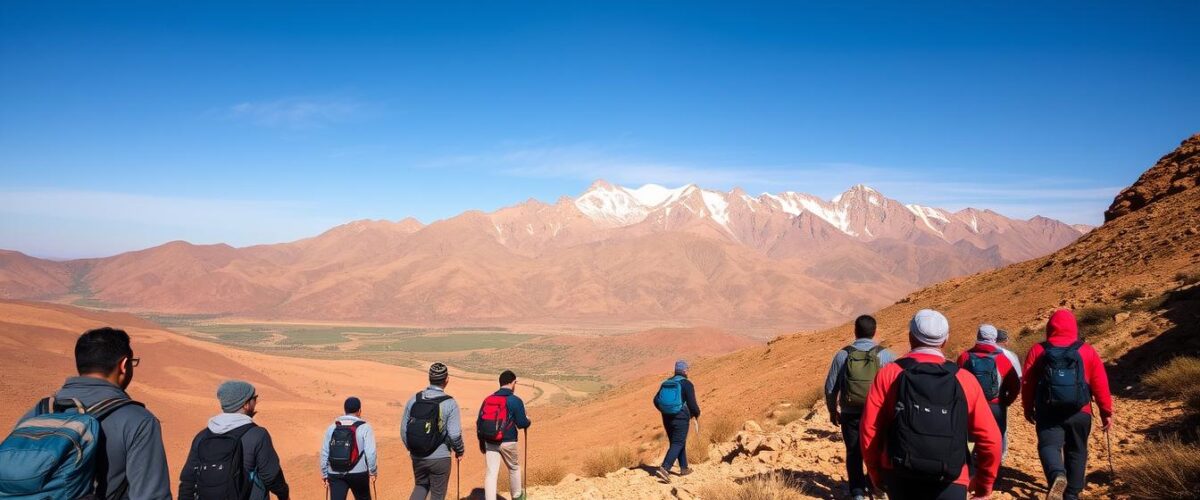
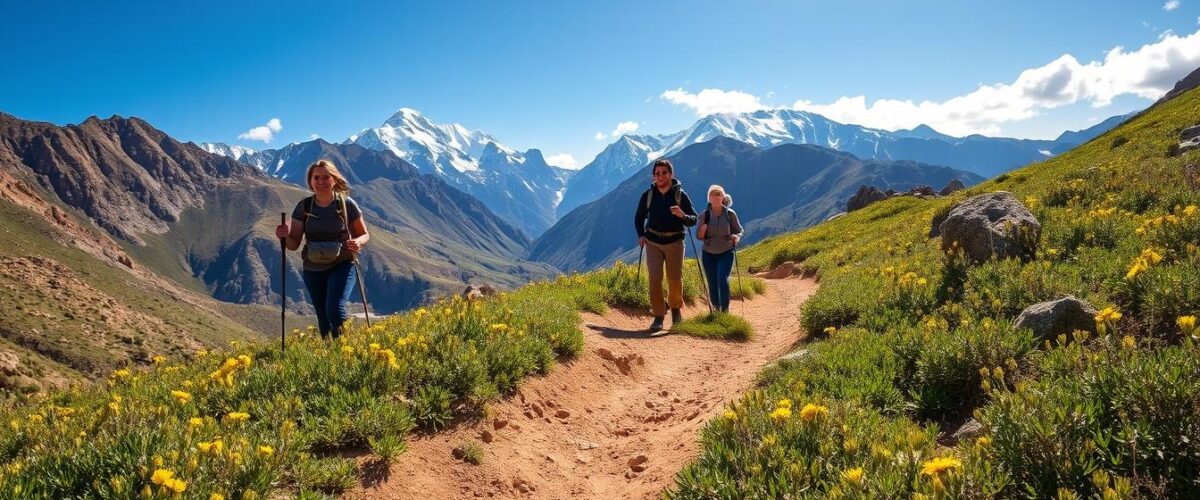
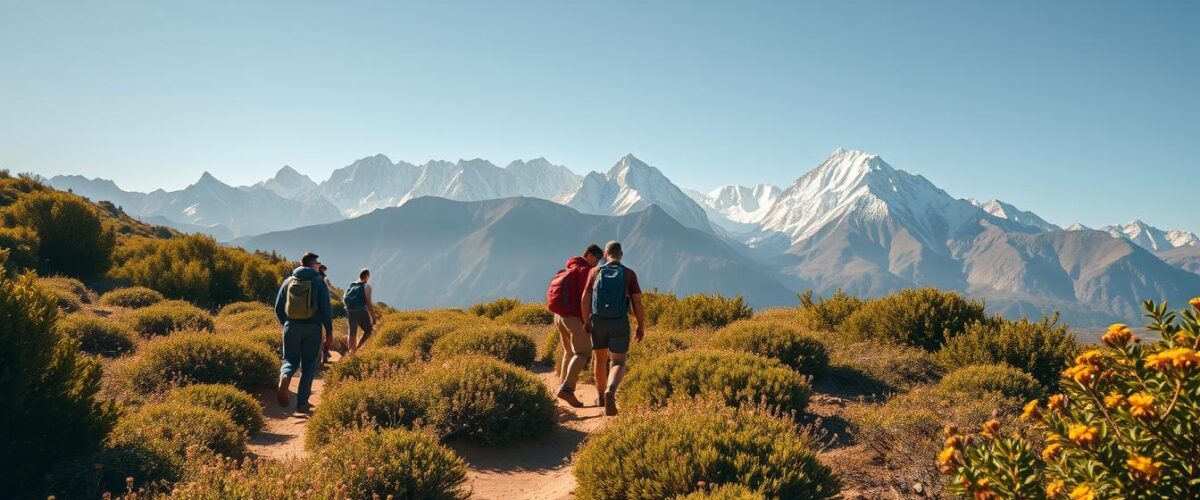
Morocco offers a diverse range of hiking trails that cater to all levels, from beginner hiking trails to more challenging routes. The country’s unique landscapes, including the Atlas Mountains and the Sahara Desert, provide a captivating backdrop for outdoor enthusiasts.

For those new to hiking, Morocco is an ideal destination to start. The varied terrain and scenic views make it an exciting place to explore. Whether you’re looking for a leisurely day hike or a multi-day trek, Morocco’s hiking trails have something to offer.

Key Takeaways

  • Discover Morocco’s diverse hiking trails for all levels.
  • Explore the Atlas Mountains and Sahara Desert.
  • Find beginner-friendly hiking routes with scenic views.
  • Experience the unique landscapes of Morocco.
  • Choose from a range of hiking trails, from day hikes to multi-day treks.

Discovering Morocco’s Diverse Hiking Landscapes

From the majestic Atlas Mountains to the vast Sahara Desert, Morocco’s diverse landscapes make it a hiker’s paradise. Morocco offers a unique blend of geographical features that cater to hikers of all levels.

From Mountains to Deserts: Morocco’s Geographical Diversity

Morocco’s terrain is characterized by its diverse landscapes, including the High Atlas Mountains, the Sahara Desert, and coastal regions. This diversity provides a wide range of hiking options, from challenging mountain trails to serene desert treks.

Why Morocco Is Perfect for Beginner Hikers

Morocco is an ideal destination for beginner hikers due to its accessible trails and scenic beauty. Many trails offer gentle slopes and well-marked paths, making it easy for newcomers to navigate.

Overview of Major Hiking Regions

Some of the major hiking regions in Morocco include:

  • The Atlas Mountains, known for their rugged peaks and traditional Berber villages.
  • The Sahara Desert, offering vast expanses of sand dunes and nomadic cultures.
  • Coastal areas like Essaouira, with its scenic coastal paths and vibrant cultural scene.

Best Seasons for Hiking in Morocco

Understanding the best seasons for hiking in Morocco is crucial for a safe and enjoyable experience. Morocco’s diverse climate means that the ideal hiking time varies significantly across different regions.

Spring and Fall: The Ideal Hiking Months

For most hiking trails in Morocco, spring (March to May) and fall (September to November) are considered the best seasons. During these periods, the weather is generally mild and pleasant, making it ideal for hiking. The temperatures are comfortable, and the landscapes are particularly beautiful, with spring bringing blooming flowers and fall offering a harvest landscape.

Weather Considerations Across Regions

Morocco’s geography is diverse, ranging from mountains to deserts. The Atlas Mountains can be cold, especially in winter, while the desert regions can be extremely hot during the summer. Understanding these regional weather patterns is essential for planning a successful hike.

Avoiding Extreme Weather Conditions

To ensure a safe hiking experience, it’s crucial to avoid extreme weather conditions. This means steering clear of the peak summer months for desert hikes and being prepared for sudden weather changes in the mountains. Always check local weather forecasts before heading out.

Essential Gear for Hiking in Morocco

When preparing for a hiking adventure in Morocco, it’s crucial to pack the right gear. Morocco’s diverse landscapes, from the Atlas Mountains to the Sahara Desert, demand a versatile and well-prepared hiker.

Clothing Recommendations for Variable Climates

Morocco’s climate varies significantly across regions and seasons. Layered clothing is essential to adapt to changing temperatures. Include lightweight, breathable fabrics for warmer days and insulating layers for cooler mornings and evenings. A waterproof jacket is also a must-have to protect against unexpected rain showers.

Footwear for Different Terrains

The right footwear can make or break a hiking trip. For Morocco’s varied terrains, sturdy hiking boots with good ankle support are recommended. For less demanding trails, trail running shoes can be a suitable alternative. Ensure your footwear is waterproof and has a good grip for rocky or slippery paths.

Backpack Essentials and Hydration

A comfortable, ergonomic backpack is vital for carrying all your hiking essentials. Pack essentials like a first-aid kit, snacks, and a water filter or purification tablets. Staying hydrated is crucial, especially in Morocco’s hot desert regions. Consider a hydration bladder for easy access to water during your hike.

Tech and Navigation Tools

In today’s digital age, GPS devices and hiking apps can be invaluable for navigation. However, it’s wise to also carry a physical map and compass as a backup. A portable power bank to keep your devices charged is also a good idea, especially on longer treks.

By carefully selecting your gear, you can ensure a safe and enjoyable hiking experience in Morocco. Whether you’re trekking through the mountains or exploring the desert, being well-prepared is key to a successful adventure.

Top Beginner-Friendly Trails in the Atlas Mountains

For those new to hiking, the Atlas Mountains provide an excellent introduction with their varied trails. The region offers a unique blend of cultural and natural experiences, making it an ideal destination for beginners.

Toubkal National Park Day Hikes

Toubkal National Park is a must-visit for any hiker in the Atlas Mountains. The park offers several day hike options that are perfect for beginners.

Trail Difficulty and Distances

The trails in Toubkal National Park vary in difficulty and distance, allowing hikers to choose a route that suits their abilities. For example, the trail to the summit of Mount Toubkal is challenging, but shorter trails like the one to the village of Imlil offer a more relaxed hike.

Trail NameDistanceDifficulty
Mount Toubkal Summit16 kmChallenging
Imlil Village Trail6 kmModerate

Scenic Highlights

The scenic highlights of Toubkal National Park include the stunning views from the summit of Mount Toubkal, the picturesque village of Imlil, and the beautiful valleys and mountains surrounding the park.

“The Atlas Mountains are a hiker’s paradise, with trails that offer breathtaking views and unique cultural experiences.” – A seasoned hiker

Ourika Valley Trails

The Ourika Valley is another great destination for beginner hikers. The valley offers a range of trails that wind through traditional Berber villages and offer stunning views of the surrounding mountains.

Imlil Valley Routes

The Imlil Valley is a popular destination for hikers, with its scenic trails and picturesque villages. The valley offers a range of routes for beginners, from easy day hikes to more challenging multi-day treks.

As noted by a local guide, “The Imlil Valley is a great place to experience the traditional Berber culture and stunning natural beauty of the Atlas Mountains.”

Coastal and Desert Hiking Options for Newcomers

Morocco offers a diverse range of hiking experiences, including coastal and desert landscapes that are perfect for newcomers. The country’s varied geography means that hikers can choose between the rugged coastline, the majestic Sahara Desert, or a mix of both, depending on their interests and fitness level.

Essaouira Coastal Paths

The coastal town of Essaouira is a gem for hikers, offering scenic paths that wind along the Atlantic coast. The terrain is generally flat and easy to navigate, making it ideal for beginners. Hikers can enjoy the fresh ocean breeze, stunning sea views, and the charming local culture.

Beginner Desert Treks in Merzouga

For those looking to experience the Sahara Desert, Merzouga offers guided treks suitable for beginners. These treks typically involve camel rides and camping under the stars, providing a truly immersive desert experience. The gradual pace allows newcomers to acclimate to the desert environment.

Agafay Desert Day Hikes

The Agafay Desert, near Marrakech, is another excellent option for day hikes. The terrain is more accessible than the Sahara, with shorter distances to cover, making it perfect for those with limited time or who prefer not to camp. Hikers can enjoy the scenic beauty of the desert landscape and engage in activities like camel riding or simply relaxing in a desert camp.

What to Expect in Desert Conditions

When hiking in desert conditions, it’s essential to be prepared for extreme temperatures and potential sandstorms. Hikers should wear protective clothing, including hats and sunglasses, and stay hydrated by drinking plenty of water. Guides can provide valuable insights into navigating the desert safely.

A Beginner’s Guide to Hiking in Morocco’s Cultural Trails

Morocco’s cultural trails are a gateway to understanding the country’s history, landscapes, and people. These trails offer a unique opportunity for hikers to immerse themselves in local cultures, explore historical sites, and experience the natural beauty of Morocco.

Berber Village Paths

The Berber village paths are a highlight of Morocco’s cultural trails. These paths wind through traditional villages, offering insights into the daily lives of the Berber people. Hikers can explore local markets, visit ancient kasbahs, and enjoy the warm hospitality of the Berber communities. Walking through these villages provides a unique cultural experience, allowing hikers to learn about the traditions and customs of the region.

A Beginner’s Guide to Hiking in Morocco

Historical Routes and Their Significance

Morocco’s historical routes are steeped in history and significance. These routes have been used for centuries, connecting important trade and cultural centers. Hikers can follow in the footsteps of ancient traders and travelers, visiting significant historical sites along the way. The historical context of these routes adds depth to the hiking experience, providing a richer understanding of Morocco’s cultural heritage.

Combining Cultural Experiences with Hiking

One of the joys of hiking Morocco’s cultural trails is the ability to combine cultural experiences with outdoor adventure. Hikers can visit local festivals, enjoy traditional cuisine, and stay in traditional riads or kasbahs. This blend of culture and nature makes for a unique and memorable hiking experience. By engaging with local communities and respecting their traditions, hikers can contribute to the preservation of Morocco’s cultural heritage.

Safety Considerations for Morocco Hiking

Safety is paramount when hiking in Morocco, where varied terrain and climate conditions can pose significant challenges. Morocco’s diverse landscapes, from the Atlas Mountains to the Sahara Desert, offer many hiking opportunities, but they also come with unique safety concerns.

Sun Protection and Heat Safety

One of the primary safety concerns when hiking in Morocco is sun protection. The sun can be intense, especially in the desert regions. Using a broad-spectrum sunscreen with a high SPF, wearing a hat, and bringing sunglasses are essential measures to protect against sunburn and heatstroke.

Water Purification and Hydration

Staying hydrated is crucial, particularly in arid environments. Hikers should carry sufficient water and consider using water purification tablets or filters to ensure safe drinking water. Dehydration can lead to serious health issues, so it’s vital to drink regularly.

Emergency Preparedness in Remote Areas

When hiking in remote areas, carrying a personal locator beacon (PLB) or satellite phone can be lifesaving in case of an emergency. It’s also wise to inform someone about your hiking plans and expected return time.

Health Insurance and Medical Resources

Before traveling to Morocco, ensure you have adequate health insurance that covers medical evacuations if necessary. Researching local medical resources and having a plan for emergency medical situations can provide peace of mind.

Safety MeasureDescriptionImportance Level
Sun ProtectionUse sunscreen, hat, and sunglassesHigh
Water PurificationUse water purification tablets or filtersHigh
Emergency PreparednessCarry PLB or satellite phone, inform others of plansHigh
Health InsuranceEnsure coverage for medical evacuationsHigh

By taking these safety considerations into account, hikers can enjoy Morocco’s beautiful landscapes while minimizing risks.

Navigating and Transportation Tips

Navigating Morocco’s diverse landscapes requires a combination of preparation and local knowledge. Understanding the best ways to get to trailheads and navigate once you’re there can make a significant difference in your hiking experience.

Getting to Trailheads from Major Cities

Major cities like Marrakech serve as gateways to many of Morocco’s hiking trails. To get to trailheads, you can hire a private car or use public transportation such as buses or taxis. Booking a guided tour can also simplify the process.

Using Maps and GPS in Morocco

While GPS devices and apps are useful, it’s also a good idea to carry a detailed map of the area you’re hiking in. Many trails are not well-marked, and having a map can help you stay on track. Ensure your GPS device is fully charged and consider bringing a portable power bank.

Local Transportation Options

Local transportation in Morocco includes buses, taxis, and shared vans known as “supratours.” For more remote areas, hiring a local guide or driver can be the best option. Be prepared to negotiate prices, especially for taxis.

Dealing with Language Barriers

While many Moroccans in the tourism industry speak some English, there can still be language barriers, especially outside major cities. Learning basic Arabic phrases can be helpful, and carrying a translation guide or using a translation app on your phone can also assist in communicating with locals.

Accommodation Options for Hikers

For those trekking through Morocco, there’s a wide array of accommodation options available, catering to different preferences and budgets. Whether you’re looking for the rustic charm of a mountain refuge or the cultural immersion of a Berber village homestay, Morocco has something to offer every hiker.

Mountain Refuges and Gites

Mountain refuges and gites are popular among hikers for their convenience and comfort. These establishments offer basic yet cozy accommodations, often with shared facilities. They are typically located near popular hiking trails, making them ideal for resting and replenishing supplies.

Camping Guidelines and Permissions

For those who prefer camping, Morocco allows camping in designated areas. It’s essential to obtain permissions and follow local guidelines to respect the environment and local communities. Camping near villages can also provide opportunities to engage with local cultures.

A Beginner’s Guide to Hiking in Morocco

Homestays in Berber Villages

Homestays offer a unique cultural experience, allowing hikers to live with Berber families and learn about their traditions and way of life. This option not only provides accommodation but also supports local communities directly.

Budget-Friendly Accommodations Near Popular Trails

Budget-conscious hikers can find affordable accommodations near popular trails. These range from basic rooms to shared dormitories, offering a cost-effective way to stay near the action.

Accommodation TypeLocationPrice Range
Mountain RefugesAtlas Mountains$20-$50 per night
GitesVarious regions$30-$70 per night
CampingDesignated campsites$5-$15 per night
HomestaysBerber Villages$25-$40 per night

Cultural Etiquette and Sustainable Hiking

As you embark on your Moroccan hiking adventure, being mindful of cultural norms and sustainable practices is essential. Morocco is a country rich in cultural heritage and natural beauty, and respecting these aspects can significantly enhance your hiking experience.

Respecting Local Customs and Traditions

Morocco is known for its warm hospitality, but it’s crucial to respect local customs, especially when hiking through rural or Berber areas. Learning a few basic Arabic phrases like “hello” (as-salamu alaykum) and “thank you” (shukraan) can go a long way in showing respect.

Appropriate Dress in Rural Areas

Dressing modestly is advised, particularly in rural areas. Covering your shoulders and knees is a sign of respect for the local culture. Additionally, wearing comfortable and suitable clothing for hiking is essential due to the varied terrain.

Leave No Trace Principles in Morocco

Adhering to Leave No Trace principles is vital in preserving Morocco’s natural landscapes. This includes disposing of waste properly, staying on designated trails, and not disturbing wildlife.

Supporting Local Communities Through Hiking Tourism

Hiking tourism can significantly benefit local communities. By choosing local guides, staying in family-run accommodations, and purchasing local products, you can contribute to the local economy.

Local Support ActionImpact
Hiring Local GuidesEnhances community income and provides cultural insights
Staying in Family-run AccommodationsSupports local families and offers authentic experiences
Purchasing Local ProductsBoosts local economy and promotes traditional crafts

Planning Your First Moroccan Hiking Trip

Embarking on your first hiking trip in Morocco can be a thrilling adventure, filled with breathtaking landscapes and cultural experiences. Morocco’s diverse geography, ranging from the Atlas Mountains to desert dunes, offers a wide range of hiking trails suitable for beginners.

Sample 3-Day Itinerary for Beginners

A 3-day itinerary is a great way to start your Moroccan hiking journey. For instance, you could explore the Toubkal National Park, hike through the Ourika Valley, and experience the local Berber culture. This itinerary provides a mix of challenging hikes and cultural immersion, giving you a comprehensive taste of Morocco’s natural beauty and heritage.

Budgeting for Your Hiking Adventure

Budgeting is a crucial aspect of planning your trip. Costs to consider include guide services, accommodation, food, and transportation. Setting a realistic budget will help you manage your expenses effectively. On average, you might spend around $50 to $100 per day, depending on your choices of accommodation and services.

Booking Guides vs. Independent Hiking

Deciding whether to book a guide or hike independently depends on your experience and the trail’s complexity. Guides can provide valuable insights into local culture and ensure your safety, especially in remote areas. For beginners, hiring a guide for at least part of the trip can be highly beneficial.

Permits and Regulations to Consider

Before you start your hike, it’s essential to check if any permits are required for your chosen trail. Some areas, especially protected national parks, may have specific regulations. Understanding and complying with these regulations will help ensure a smooth and enjoyable hiking experience.

Conclusion: Embracing the Moroccan Hiking Experience

As you’ve discovered throughout this guide, Morocco offers a diverse and exciting hiking experience that combines breathtaking landscapes with rich cultural encounters. From the Atlas Mountains to the Sahara Desert, the country’s varied geography provides a unique backdrop for outdoor enthusiasts.

The Moroccan hiking experience is not just about the trails; it’s also about immersing yourself in local traditions and hospitality. By following the guidelines outlined in this article, you’re well-prepared to embark on your hiking journey in Morocco, whether you’re trekking through Berber villages or exploring the scenic coastal paths.

As you plan your trip, remember to respect local customs, support local communities, and practice sustainable hiking. With its welcoming atmosphere and stunning natural beauty, hiking in Morocco is an adventure that will leave you with unforgettable memories and a deep appreciation for this incredible country.

FAQ

What are the best seasons for hiking in Morocco?

Spring (March to May) and fall (September to November) are considered the best seasons for hiking in Morocco due to mild temperatures and fewer crowds.

What kind of gear do I need for hiking in Morocco?

Essential gear includes comfortable hiking boots, layers for variable climates, a backpack with essentials like water, snacks, and a first-aid kit, as well as tech and navigation tools like a GPS device or smartphone with a GPS app.

Are there beginner-friendly trails in the Atlas Mountains?

Yes, the Atlas Mountains offer several beginner-friendly trails, including day hikes in Toubkal National Park, and trails in the Ourika and Imlil valleys, which offer scenic views and relatively easy terrain.

How do I stay safe while hiking in Morocco?

To stay safe, be sure to protect yourself from the sun, stay hydrated, and be prepared for emergencies by carrying a first-aid kit and knowing how to navigate. It’s also a good idea to hike with a guide or group, especially in remote areas.

What are the options for accommodation while hiking in Morocco?

Accommodation options include mountain refuges, gites, camping, and homestays in Berber villages, as well as budget-friendly options near popular trails.

Do I need to book a guide for hiking in Morocco?

While not always necessary, booking a guide can be beneficial, especially for those new to hiking or unfamiliar with the area, as guides can provide valuable insights and help navigate the terrain.

What are the Leave No Trace principles, and how can I apply them while hiking in Morocco?

The Leave No Trace principles include minimizing waste, respecting wildlife, and not damaging the environment. To apply these principles in Morocco, be sure to pack out any trash, stay on designated trails, and be mindful of local customs and traditions.

How can I support local communities while hiking in Morocco?

Supporting local communities can be achieved by staying in locally-owned accommodations, eating at local restaurants, and hiring local guides, which helps to contribute to the local economy and promote sustainable tourism.

What are the must-have items to include in my hiking itinerary for Morocco?

A sample 3-day itinerary, budget breakdown, and information on necessary permits and regulations are must-haves to include in your hiking itinerary for Morocco.

What is the cultural etiquette to follow while hiking in Morocco?

Respecting local customs and traditions, dressing modestly, and being mindful of cultural norms are essential to follow while hiking in Morocco.
Safety Tips for Trekking in Morocco

Safety Tips for Trekking in Morocco

Embarking on a trekking adventure in Morocco can be a thrilling experience, with its diverse landscapes ranging from the Atlas Mountains to the Sahara Desert.

To ensure a safe and enjoyable journey, it’s crucial to be prepared. Understanding the terrain, being aware of potential hazards, and taking necessary precautions are key to a successful trek.

Morocco’s varied environments demand respect and preparation. By being informed and equipped, trekkers can mitigate risks and fully appreciate the beauty of Morocco.

Key Takeaways

  • Understand the diverse landscapes of Morocco before trekking.
  • Prepare for potential emergencies and hazards.
  • Take necessary precautions to ensure a safe journey.
  • Be aware of the environment and its challenges.
  • Stay informed to mitigate risks during trekking.

Understanding Morocco’s Diverse Landscapes

Morocco’s diverse landscapes offer a wide range of trekking experiences, from the rugged Atlas Mountains to the vast Sahara Desert. The country’s varied terrain is a trekker’s paradise, with each region presenting its unique challenges and breathtaking views.

Atlas Mountains: What to Expect

The Atlas Mountains are a highlight of trekking in Morocco, with their rugged paths and stunning vistas. The High Atlas range is particularly challenging due to its high altitude and unpredictable weather.

High Atlas Challenges

The High Atlas mountains pose several challenges, including steep ascents, rocky terrain, and potential snowstorms. Trekkers should be well-prepared with appropriate gear and physical conditioning.

Middle and Anti-Atlas Considerations

The Middle and Anti-Atlas regions offer less extreme conditions but still require careful planning. The terrain can be rugged, and the weather can be unpredictable.

Desert Trekking Challenges

Desert trekking in Morocco is a unique experience, with the Sahara Desert offering vast expanses of sand dunes and rocky terrain. However, it also comes with significant challenges.

Sahara Safety Concerns

Safety is a major concern in the Sahara Desert, where trekkers can face extreme temperatures, dehydration, and getting lost. It’s essential to trek with a knowledgeable guide and stay well-hydrated.

Navigating Sand Dunes and Rocky Terrain

Navigating the Sahara’s sand dunes and rocky terrain requires skill and experience. Trekkers should be prepared for the physical demands of walking on sand and uneven terrain.

Coastal and Valley Trails

Morocco’s coastal and valley trails offer a different trekking experience, with scenic views and milder climates.

Rif Mountains Characteristics

The Rif Mountains are known for their lush forests and scenic trails. Trekkers can enjoy the region’s natural beauty and mild climate.

Todra and Dades Gorges

The Todra and Dades Gorges are popular trekking destinations, with their stunning rock formations and scenic valleys.

RegionTerrainChallenges
High AtlasRugged, rockySteep ascents, snowstorms
Sahara DesertSand dunes, rockyExtreme temperatures, dehydration
Rif MountainsForested, scenicMild climate, scenic trails

“The varied landscapes of Morocco offer trekkers a unique and exciting experience, from the rugged Atlas Mountains to the vast Sahara Desert.”

Best Seasons for Safe Trekking in Morocco

Morocco’s diverse landscapes offer a wide range of trekking opportunities, but the timing of your trip can significantly impact your safety and experience. Understanding the seasonal weather patterns is crucial for planning a safe and enjoyable trek.

Weather Patterns Throughout the Year

Morocco’s climate varies significantly across different regions. The country’s weather patterns change throughout the year, affecting trekking conditions.

Spring (March-May) Conditions

Spring is considered one of the best times to trek in Morocco, with mild temperatures and blooming landscapes making for a pleasant journey.

Fall (September-November) Advantages

Fall is another ideal season for trekking, offering comfortable temperatures and fewer crowds, making it easier to explore popular trails.

Avoiding Extreme Temperature Periods

It’s essential to avoid trekking during extreme temperature periods to ensure a safe and enjoyable experience.

Summer Heat Risks

Summer can be extremely hot, especially in the desert regions, making it challenging to trek during this time.

Winter Snow and Cold in Mountain Regions

Winters can be harsh in the mountainous areas, with snow and cold temperatures potentially making trails impassable.

Region-Specific Seasonal Considerations

RegionBest Time to VisitWeather Conditions
Atlas MountainsSpring, FallMild temperatures, occasional rain
DesertWinter, SpringExtreme heat in summer, mild in winter
Coastal TrailsSpring, FallMild temperatures, moderate humidity

Essential Pre-Trip Preparations

Before embarking on your Moroccan trekking adventure, it’s crucial to prepare thoroughly to ensure a safe and enjoyable experience. Proper preparation is key to navigating Morocco’s diverse landscapes, from the Atlas Mountains to the Sahara Desert.

Required Documentation and Permits

Ensuring you have the correct documentation is vital. This includes understanding Morocco visa requirements and obtaining necessary permits.

Visa Requirements for Morocco

Depending on your nationality, you may need a visa to enter Morocco. Check with the Moroccan embassy or consulate in your home country to determine the specific requirements.

National Park and Protected Area Permissions

For treks within national parks or protected areas, additional permits may be required. Research the specific regulations for your trekking route.

Travel Insurance Considerations

Adequate travel insurance is crucial for trekking in Morocco. Look for policies that cover mountain rescue and medical evacuation.

Coverage for Mountain Rescue

Ensure your insurance policy includes coverage for mountain rescue services, which can be costly.

Medical Evacuation Options

Check if your policy covers medical evacuation to a suitable medical facility in case of an emergency.

Researching Your Route

Thoroughly research your trekking route to understand the terrain, potential hazards, and necessary preparations.

Reliable Map Sources

Use reliable map sources to plan your route. Consider maps that detail terrain difficulty and potential water sources.

Popular Trekking Routes and Difficulty Levels

Understand the difficulty level of your chosen route and prepare accordingly. Popular routes like the Atlas Mountains offer various difficulty levels.

RouteDifficulty LevelDuration
Atlas MountainsModerate to Challenging5-7 days
Sahara DesertChallenging7-10 days

Physical Conditioning for Moroccan Terrain

Physical conditioning is essential for tackling Morocco’s varied terrains. Training in advance can significantly enhance your trekking experience.

Altitude Training Tips

For high-altitude treks, acclimatization is key. Gradually increase your altitude exposure to reduce the risk of altitude sickness.

Building Endurance for Long Desert Walks

Cardiovascular training and endurance exercises can help prepare you for the long walks associated with desert treks.

“The journey of a thousand miles begins with a single step.” – Lao Tzu

By meticulously preparing for your trek, you’ll be well on your way to a successful and enjoyable adventure in Morocco.

Packing Essentials for Moroccan Treks

Morocco’s diverse landscapes demand a thoughtful approach to packing for a trek, combining comfort, safety, and preparedness. The right gear can make a significant difference in enjoying the beautiful Atlas Mountains, navigating the Sahara Desert, or exploring the coastal trails.

Climate-Appropriate Clothing

Morocco’s climate varies significantly across regions and seasons. Layering is key to adapting to temperature fluctuations.

Layering Strategies for Temperature Fluctuations

Pack clothing that can be layered to adjust to changing temperatures. Include a base layer for colder conditions, a mid-layer for insulation, and a waterproof outer layer.

Sun Protection Necessities

Protecting yourself from the sun is crucial, especially in the desert regions. Include a wide-brimmed hat, sunglasses, and high SPF sunscreen in your packing list.

Essential Safety Equipment

Safety should be a top priority when trekking. Essential equipment includes navigation tools and lighting and signaling devices.

Navigation Tools

A compass, detailed maps, and a GPS device are indispensable for navigating Morocco’s trails.

Lighting and Signaling Devices

A headlamp or flashlight and signaling devices like flares or mirrors can be critical in low-light conditions or emergencies.

Water and Food Supplies

Staying hydrated and nourished is vital. Consider water purification methods and energy-dense foods.

Water Purification Methods

Include water purification tablets or a filter in your kit to ensure access to safe drinking water.

Energy-Dense Food Recommendations

Pack energy-rich snacks like nuts, dried fruits, and jerky to maintain your energy levels.

ItemPurposeRecommended
Water Purification TabletsSafe Drinking WaterAquamira
First Aid KitMedical EmergenciesBasic First Aid Manual, Bandages, Antiseptic Wipes
Emergency ShelterProtection from ElementsLightweight Tent or Bivy Sack

First Aid and Emergency Kit

A well-stocked first aid kit is crucial. Consider Morocco-specific medical supplies and emergency shelter options.

Morocco-Specific Medical Supplies

Include supplies for treating altitude sickness and other region-specific health issues.

Emergency Shelter Options

A lightweight tent or a bivy sack can provide necessary shelter in case of unexpected weather conditions.

Morocco Trek Essentials

Safety Tips for Trekking in Morocco

Morocco’s diverse landscapes offer a unique trekking experience, yet safety should always be the top priority. Whether you’re navigating the Atlas Mountains, traversing the desert, or following coastal trails, being prepared is key to a successful and enjoyable trek.

Hiking with Local Guides vs. Solo Trekking

Trekking with a local guide can significantly enhance your experience, providing insights into the culture, history, and geography of the area. Guides can also help navigate challenging terrain and ensure your safety.

Finding Reputable Guide Services

To find a reputable guide service, look for guides who are certified by the Moroccan Ministry of Tourism or local trekking associations. Online reviews and recommendations from fellow trekkers can also be valuable resources.

Safety Considerations for Independent Trekkers

Independent trekkers should be highly experienced and well-prepared. It’s essential to research your route thoroughly, understand the local weather patterns, and inform someone of your itinerary.

Trail Safety and Navigation

Effective navigation is critical for a safe trekking experience. Morocco’s trails can be challenging, with varying levels of marking and signage.

Using GPS and Traditional Navigation

While GPS devices are useful, they should not be your sole means of navigation. Bringing a map, compass, and knowing how to use them is crucial. Traditional navigation skills can be a lifesaver if your GPS fails.

Trail Marking Systems in Morocco

Many trails in Morocco are marked with colored signs or symbols. Understanding these markings can help you stay on track. Guides or local trekking organizations can provide information on the marking systems used in the areas you plan to trek.

Wildlife and Environmental Hazards

Morocco’s diverse environments are home to various wildlife and plants, some of which can be hazardous.

Dangerous Animals and Insects

Some areas have venomous snakes, spiders, and other insects. Wearing protective clothing and staying on marked trails can reduce the risk of encounters.

Plant Hazards and Allergenic Species

Certain plants can cause allergic reactions or other health issues. Being aware of the local flora and avoiding contact with unknown plants is advisable.

HazardPrecaution
Venomous SnakesWear boots, stay on trails
Allergenic PlantsAvoid touching unknown plants

Personal Security Measures

While Morocco is generally a safe country, taking personal security measures can help prevent issues.

Avoiding Theft and Scams

Be mindful of your belongings, especially in crowded areas or tourist hotspots. Using hotel safes and being cautious with strangers can help protect your valuables.

Safe Camping Practices

When camping, choose secure locations and keep your campsite organized. Keeping valuables secure and being aware of your surroundings can enhance your safety.

“The journey of a thousand miles begins with a single step.” – Lao Tzu

By following these safety tips and being mindful of your surroundings, you can enjoy a safe and fulfilling trekking experience in Morocco.

Health and Medical Considerations

A well-prepared trekker knows that health and medical considerations are key to navigating Morocco’s varied terrains safely. Before embarking on your adventure, it’s essential to understand the necessary health measures to ensure a safe and enjoyable trek.

Vaccinations and Preventative Measures

Vaccinations play a critical role in protecting your health while trekking in Morocco. Ensuring you are up-to-date on all recommended vaccinations for Morocco is crucial.
Required and Recommended Immunizations

Consult your healthcare provider about the necessary vaccinations, which may include Hepatitis A, Hepatitis B, and typhoid fever vaccinations. As one healthcare expert notes, “Travelers to Morocco should be aware of the risk of hepatitis A and take appropriate precautions.”

“The risk of hepatitis A in Morocco is considered high, and vaccination is recommended for all travelers.”

Preventing Common Illnesses

Besides vaccinations, taking preventive measures against common illnesses is vital. This includes practicing good hygiene, such as frequent handwashing, and avoiding undercooked food and untreated water.

Altitude Sickness Prevention

For treks in the Atlas Mountains, altitude sickness prevention is a significant concern. Understanding how to recognize and prevent altitude sickness can be lifesaving.

Recognizing Early Symptoms

Early symptoms of altitude sickness include headaches, nausea, and fatigue. Recognizing these symptoms early can help you take necessary actions, such as descending to a lower altitude.

Acclimatization Strategies

Gradual acclimatization is key to preventing altitude sickness. This involves ascending gradually, allowing your body to adjust to the higher elevations.

Water Safety and Hydration

Staying hydrated is crucial while trekking. Understanding your daily water requirements and recognizing signs of dehydration are essential for your health.

Daily Water Requirements

Trekkers should aim to drink at least 3-4 liters of water per day, depending on the climate and intensity of the trek.

Recognizing Dehydration Signs

Signs of dehydration include dry mouth, dark urine, and dizziness. If you experience these symptoms, increase your water intake and rest.

Accessing Medical Care in Remote Areas

Understanding the Moroccan healthcare system and knowing how to access medical care in remote areas can be critical in case of an emergency.

Moroccan Healthcare System Overview

Morocco has a decent healthcare system in urban areas, but facilities can be limited in rural regions. It’s essential to have travel insurance that covers medical evacuations.

Remote Medical Resources

Research local clinics and hospitals along your trekking route. Carry a basic first-aid kit and know how to use the items in it.

Cultural Awareness and Communication

When trekking in Morocco, understanding the local culture is just as important as knowing the trails. Morocco is home to diverse communities, including Berber and Arab populations, each with their unique customs and traditions.

Respecting Berber and Arab Customs

To have a respectful and enriching experience, it’s crucial to understand and respect local customs. This includes dressing modestly, especially in rural areas.

Appropriate Dress in Rural Areas

Dressing modestly is essential. For women, this means covering shoulders and knees, while men should avoid shorts and sleeveless shirts.

Religious Considerations

Morocco is an Islamic country, and respecting Islamic customs is vital. For example, during Ramadan, trekkers should be mindful of fasting hours.

Communication Basics: Useful Phrases

Learning basic Arabic and Berber phrases can significantly enhance your trekking experience. Simple greetings like “As-salamu alaykum” (peace be upon you) can go a long way in showing respect.

Arabic and Berber Greetings

  • Arabic: “As-salamu alaykum” (peace be upon you)
  • Berber: “Azul” (hello)

Emergency Phrases to Know

Knowing how to say “help” or “I need assistance” in Arabic or Berber can be lifesaving. For example, “ana bzzaf” means “I’m lost” in some Berber dialects.

Appropriate Behavior in Villages and Sacred Sites

When visiting villages or sacred sites, it’s essential to behave respectfully. This includes removing your shoes when required and not taking pictures of people without permission.

Photography Etiquette

Always ask for permission before taking someone’s picture. Some communities believe that being photographed can capture their soul.

Gift-Giving and Interactions

Gift-giving is a significant custom in Moroccan culture. Bringing small gifts like tea or sweets can be a friendly gesture when interacting with locals.

Communication Options in Remote Areas

In remote areas, communication can be challenging. While cell phone coverage is improving, there are still areas with no signal.

Cell Phone Coverage Realities

Major telecom operators in Morocco have improved coverage, but it’s still patchy in rural areas.

Satellite Communication Devices

For serious treks, consider renting or buying satellite communication devices. These can be lifesavers in emergencies.

Emergency Protocols and Resources

Despite careful planning, emergencies can arise during Moroccan treks, highlighting the need for awareness and preparedness. Understanding the emergency protocols and resources available can significantly enhance safety for trekkers.

Emergency Contact Information

Having the right contact information is crucial in case of an emergency. Trekkers should be aware of how to reach local emergency services and their embassy or consulate.

Moroccan Emergency Services

In Morocco, the emergency number is 112 or 19 for police. It’s essential to have these numbers saved or memorized.

Embassy and Consulate Support

Trekkers should also have the contact information for their country’s embassy or consulate in Morocco. They can provide assistance in case of a serious emergency.

Evacuation Procedures

Knowing the evacuation procedures can be lifesaving. Morocco has different protocols for mountain and desert regions.

Mountain Rescue Operations

In the Atlas Mountains, rescue operations are typically carried out by local guides and mountain rescue teams. Trekkers should be prepared to provide their location and the nature of the emergency.

Desert Emergency Extraction

In desert regions, extraction procedures may involve air support or specialized desert rescue teams. It’s crucial to have a means of communication, such as a satellite phone.

Morocco emergency services

Dealing with Common Emergency Situations

Trekkers should be prepared for common emergencies such as getting lost or injured.

Getting Lost Protocols

If lost, stay calm and try to find a landmark or return to the last known trail. Using a GPS device or a mapping app on a smartphone can be helpful.

Injury Management in Remote Settings

For injuries, provide basic first aid and try to stabilize the injured person. Evacuation should be planned as soon as possible.

Using Technology for Safety

Technology can play a significant role in enhancing safety during treks.

GPS and Tracking Applications

Using GPS devices or tracking applications can help trekkers stay on track and be located in case of an emergency.

Emergency Beacons and Locators

Personal Locator Beacons (PLBs) or satellite messengers can be used to send a distress signal in emergency situations.

Conclusion: Enjoying Morocco’s Trails Safely

Trekking in Morocco can be a safe and rewarding experience if you are well-prepared and informed. By understanding the diverse landscapes and preparing appropriately, you can enjoy the beauty and adventure that Morocco’s trails have to offer.

With the right mindset and preparation, you can have a successful and enjoyable trekking experience in Morocco. Focus on safe trekking in Morocco by being aware of your surroundings, respecting local customs, and staying informed about weather conditions.

As you plan your trip, remember that enjoying Morocco’s trails requires a combination of preparation, flexibility, and cultural awareness. By following the guidelines outlined in this article, you can minimize risks and maximize your enjoyment of Morocco’s beautiful landscapes.

FAQ

What are the best seasons for trekking in Morocco?

The best seasons for trekking in Morocco are spring (March-May) and fall (September-November), when the weather is mild and pleasant. Summer can be very hot, especially in the desert, while winters can be cold in the mountains.

Do I need a guide to trek in Morocco?

While it’s possible to trek independently in Morocco, hiring a local guide can be beneficial, especially in remote areas. Guides can provide valuable insights into the terrain, culture, and safety.

What vaccinations are required for trekking in Morocco?

The required vaccinations for Morocco may include hepatitis A, hepatitis B, typhoid, and rabies. Consult your doctor or a travel clinic for the most up-to-date information.

How do I stay safe from wildlife and environmental hazards while trekking?

To stay safe, be aware of your surroundings, watch for snakes and spiders, and avoid touching or eating unknown plants. Wear protective clothing, including long sleeves and pants, and stay on marked trails.

What should I pack for a trek in Morocco?

Pack layers for temperature fluctuations, sun protection (sunscreen, hat, sunglasses), sturdy hiking boots, a first aid kit, and a water filter or purification tablets. Consider bringing a portable stove, emergency shelter, and a satellite phone.

How do I access medical care in remote areas of Morocco?

Morocco has a decent healthcare system, but access can be limited in remote areas. Consider purchasing travel insurance that covers medical evacuation and bring a basic first aid kit.

Can I use my cell phone in remote areas of Morocco?

Cell phone coverage can be limited in remote areas, so it’s a good idea to bring a satellite phone or a portable Wi-Fi hotspot. Some trekking companies also offer satellite communication devices.

What are the most common emergency situations that may occur while trekking in Morocco?

Common emergency situations include getting lost, injuries, and altitude sickness. Be prepared with a plan, including knowing how to use a GPS device, having a first aid kit, and being aware of the symptoms of altitude sickness.

How can I respect local customs and culture while trekking in Morocco?

Be respectful of local customs by dressing modestly, removing your shoes when entering mosques or homes, and being mindful of photography etiquette. Learn a few basic Arabic and Berber phrases to show respect.

Best Time of Year to Trek in the Atlas Mountains

Best Time of Year to Trek in the Atlas Mountains

Trekking in the Atlas Mountains is an adventure like no other. Located in Morocco, this mountain range offers breathtaking landscapes, diverse wildlife, and a unique cultural experience. However, the success of your trek largely depends on choosing the right season.

The Atlas Mountains present a challenging yet rewarding trekking experience. With its snow-capped peaks, valleys, and traditional Berber villages, it’s a haven for trekkers. Understanding the seasonal variations is crucial for a safe and enjoyable journey.

Key Takeaways

  • Understanding the seasonal weather is crucial for a successful trek.
  • The Atlas Mountains offer diverse trekking routes for all levels.
  • Morocco’s unique culture is deeply intertwined with the Atlas Mountains.
  • Trekking in the Atlas Mountains can be a life-changing experience.
  • Preparation is key to navigating the Atlas Mountains safely.

The Majestic Atlas Mountains: An Overview

The majestic Atlas Mountains, a haven for trekkers and cultural enthusiasts alike, present an intriguing mix of geography, culture, and adventure. Stretching across Morocco, Algeria, and Tunisia, this North African mountain range is a treasure trove of diverse landscapes and rich cultural heritage.

Geography and Location

The Atlas Mountains are not just a single range but a series of mountain ranges that stretch for over 2,500 kilometers. They separate the Mediterranean and Atlantic coastlines from the Sahara Desert, creating a unique geography that supports a wide range of flora and fauna. The highest peak, Jbel Toubkal, located in Morocco, is a notable landmark and a popular trekking destination.

Cultural Significance

The Atlas Mountains are home to the Berber communities, who have preserved their traditional way of life amidst the rugged landscapes. The region is steeped in history and culture, with numerous villages and archaeological sites that reflect its rich heritage. As one Berber proverb goes,

“The mountains are the backbone of the earth, and the people are its soul.”

This cultural significance is a major draw for visitors.

Popular Trekking Routes

The Atlas Mountains offer a variety of trekking routes that cater to different levels of experience and interest. From the challenging ascent of Jbel Toubkal to the more leisurely walks through the valleys, there’s something for every trekker. The Toubkal Circuit and the Aït Bougmez Valley trek are particularly popular, offering breathtaking views and insights into local culture.

Climate Patterns in the Atlas Mountains

The diverse geography of the Atlas Mountains results in varied climate patterns throughout the year. This variation is crucial for trekkers to understand, as it significantly impacts the trekking experience.

Temperature Variations Throughout the Year

Temperature in the Atlas Mountains varies significantly with both season and altitude. During the summer months, daytime temperatures can be quite warm, especially at lower elevations, while nights can remain cool. In contrast, winters are cold, with significant snowfall at higher altitudes. Understanding these temperature fluctuations is key to preparing appropriately for a trek.

As noted by trekking experts, “the temperature difference between day and night can be quite pronounced, requiring trekkers to pack layers for their journey.”

Precipitation and Snowfall Patterns

Precipitation in the Atlas Mountains is seasonal, with most of the rainfall occurring during the winter months. Snowfall is common at higher elevations, making some trails inaccessible during the peak winter months. The snow melts as the weather warms, replenishing water sources and creating lush landscapes during the spring.

Altitude Considerations

Altitude plays a significant role in the trekking experience in the Atlas Mountains. As trekkers ascend, the air thins, and temperatures drop. It’s essential to acclimate to higher altitudes to avoid altitude sickness. Planning the trek to include rest days for acclimatization can make a significant difference.

As one trekker

“The higher you go, the colder it gets, even during the summer. It’s a good idea to always be prepared for cold conditions.”

Spring Trekking: March to May

Spring breathes new life into the Atlas Mountains, offering a unique trekking experience with mild temperatures and blooming flora. This season is characterized by the melting of snow, making higher altitude trails more accessible, and the blossoming of wildflowers, which adds color and vibrancy to the landscape.

Weather Conditions

During spring, the Atlas Mountains experience mild temperatures, with daytime highs ranging from 15°C to 20°C (59°F to 68°F) and nighttime lows around 5°C to 10°C (41°F to 50°F). The weather is generally stable, with clear skies and minimal precipitation, making it an ideal time for trekking.

Unpredictable weather can occur, with occasional rain showers and potential late-season snowfalls at higher elevations. Trekkers should be prepared for variable conditions.

Trail Accessibility

As the snow melts, trails become more accessible, allowing trekkers to explore higher altitude paths that were previously closed. However, some high-altitude trails may still be snow-covered, especially in early spring.

  • Lower altitude trails are generally clear by late March.
  • Higher altitude trails may remain snow-covered until late May.

Flora and Fauna Highlights

Spring is a time of renewal in the Atlas Mountains, with wildflowers blooming across the landscape. Trekkers can expect to see a variety of flora, including almond blossoms and other fruit trees. The season also brings an increase in wildlife activity, with animals emerging from their winter habitats.

Advantages and Challenges

The advantages of spring trekking include comfortable temperatures and the beauty of blooming flora. However, trekkers may face challenges such as unpredictable weather and potentially muddy trails due to melting snow.

“Spring is a wonderful time to trek in the Atlas Mountains. The landscapes are breathtaking, with wildflowers in bloom and the snow-capped peaks still visible.” – Experienced Trekker

Summer Trekking: June to August

Summer trekking in the Atlas Mountains offers a unique blend of adventure and breathtaking scenery. The warm weather during these months makes it an ideal time to explore the higher altitudes, where the air is crisp and the views are unobstructed.

Temperature and Weather Patterns

During the summer, the Atlas Mountains experience warm temperatures, especially during the day. However, the temperature drops significantly at night, especially at higher elevations. Trekkers should be prepared for this fluctuation by packing layers. The summer months are generally dry, making the trails more accessible, but occasional thunderstorms can occur, bringing sudden rain and cooler temperatures.

“The Atlas Mountains in summer are a hiker’s dream, with clear skies and comfortable temperatures making for perfect trekking conditions.”

Crowd Levels

Summer is peak tourist season, and the Atlas Mountains are no exception. Popular trails can get crowded, especially on weekends and holidays. However, with some planning, trekkers can still find solitude by venturing off the beaten path or starting their day early.

Water Availability on Trails

Water sources can be scarce during the summer months due to the dry weather. Trekkers should plan their itinerary accordingly, ensuring they have enough water supply. It’s also advisable to refill water at known sources and to treat or filter water before consumption.

Best Routes for Summer

The Toubkal Circuit is a popular choice for summer trekking, offering stunning views of the surrounding landscape. Another option is the Tazaghart Trail, which provides a more secluded experience. Both routes offer unique challenges and rewards, making them ideal for trekkers looking to experience the best of the Atlas Mountains during the summer.

Fall Trekking: September to November

Fall trekking in the Atlas Mountains is a treat for the senses, with the changing foliage and mild weather creating perfect conditions for exploration. As the summer heat dissipates, the mountains transform into a vibrant tapestry of autumn colors, making the trails not only visually appealing but also more comfortable to navigate.

Weather Conditions

The fall season in the Atlas Mountains is characterized by mild temperatures, with average highs ranging from 15°C to 20°C (59°F to 68°F) during the day. Nights can be cool, especially at higher elevations, so trekkers should be prepared with appropriate clothing. The weather is generally stable, with clear skies prevailing, making it ideal for trekking and enjoying the scenic views.

Scenic Highlights

One of the most striking aspects of fall trekking in the Atlas Mountains is the scenery. The changing foliage, with leaves turning golden, amber, and red, creates a picturesque landscape. The contrast between the vibrant foliage and the rugged mountain terrain is breathtaking, offering numerous opportunities for stunning photographs.

Harvest Season and Cultural Experiences

Fall is also the harvest season in the Atlas Mountains, providing trekkers with a unique cultural experience. Villages along the trekking routes are often bustling with activity as locals harvest crops. Trekkers can engage with the local communities, learn about their traditions, and enjoy the local cuisine, which is often highlighted by freshly harvested produce.

Advantages and Challenges

The advantages of fall trekking include comfortable weather, fewer crowds compared to the summer months, and the opportunity to experience local culture during the harvest season. However, trekkers should be aware that some higher elevation trails may start to become snow-covered towards the end of November, potentially making them more challenging. Proper preparation and gear are essential to navigate these conditions safely.

MonthAverage High TemperatureTrail Conditions
September18°C (64°F)Generally clear, some foliage change
October16°C (61°F)Vibrant foliage, comfortable trails
November12°C (54°F)Some snow at higher elevations, cooler temperatures

Winter Trekking: December to February

Winter trekking in the Atlas Mountains offers a unique experience, with snow-covered peaks and valleys that are both challenging and breathtakingly beautiful. The serene landscapes and frozen waterfalls create a tranquil atmosphere, making it an attractive adventure for those who are well-prepared.

winter trekking Atlas Mountains

Snow Conditions and Accessibility

The snow conditions in the Atlas Mountains during winter can vary greatly depending on the altitude and weather patterns. Higher elevations receive heavy snowfall, making some trails inaccessible without proper snow gear. However, lower trails may remain accessible, offering scenic views of snow-capped peaks.

Trail accessibility is a crucial factor to consider. Some routes may be closed due to heavy snow or avalanches, so it’s essential to check local conditions before embarking on your trek.

Required Equipment and Preparation

Winter trekking requires specialized equipment, including crampons, ice axes, and warm, layered clothing. Trekkers should also be prepared with emergency supplies such as first aid kits, flashlights, and high-energy foods.

Preparation is key to a successful winter trek. This includes physical conditioning, knowledge of snow safety, and understanding how to use winter trekking gear.

Winter-Specific Routes

Some routes in the Atlas Mountains are particularly suited for winter trekking. These include trails that offer stunning views of snow-covered landscapes and frozen lakes. Guides or local trekking organizations can provide valuable insights into the best winter routes.

Safety Considerations

Safety is paramount during winter trekking. Avalanche risks are a significant concern, and trekkers should be aware of the terrain and weather conditions. Traveling with a guide or experienced group can enhance safety.

Additionally, being prepared for emergencies and having a plan in place can make a significant difference in case of unexpected situations.

Best Time of Year to Trek in the Atlas Mountains: Expert Recommendations

The Atlas Mountains offer a diverse range of trekking experiences throughout the year, but the optimal time to visit depends on your specific interests. Whether you’re a beginner looking for a gentle hike or an experienced trekker seeking a challenging adventure, the Atlas Mountains have something to offer.

For Beginners

For those new to trekking, the spring (March to May) and fall (September to November) seasons are ideal. During these periods, the weather is mild, and the trails are less crowded than in the peak summer months. The temperatures are comfortable, making it easier for beginners to acclimate to the demands of trekking. Moderate temperatures and scenic landscapes make these seasons perfect for learning and enjoying the beauty of the Atlas Mountains.

For Experienced Trekkers

Experienced trekkers may prefer the winter months (December to February) for a more challenging adventure. The snow-covered peaks and frozen lakes offer a unique and exhilarating experience. However, it’s crucial to be well-prepared with the right equipment and knowledge of winter trekking techniques. The serene beauty of the snow-covered landscapes is a significant draw for those seeking a more rugged experience.

For Photography Enthusiasts

Photography enthusiasts will find the Atlas Mountains captivating during the spring and fall. The mild weather and clear skies provide optimal conditions for capturing stunning images. The vibrant colors of spring and the golden hues of fall add to the visual appeal, making these seasons ideal for photographers. The changing light and landscapes offer endless opportunities for creative photography.

For Wildlife Observation

For those interested in wildlife observation, the Atlas Mountains are home to a diverse range of flora and fauna. The spring season is particularly good for spotting wildlife as the animals are more active during this time. The mild weather also makes it easier to traverse the terrain and observe the wildlife in their natural habitats.

Regional Variations Within the Atlas Range

It’s also important to consider the regional variations within the Atlas Mountains. The High Atlas, for example, has a more extreme climate compared to the Anti-Atlas. Understanding these regional differences can help trekkers plan their itinerary more effectively and make the most of their trekking experience.

Practical Planning Considerations

When planning a trek in the Atlas Mountains, several practical considerations must be taken into account to ensure a smooth and enjoyable experience. The region’s diverse climate and geography mean that the availability of services and infrastructure can vary significantly throughout the year.

Atlas Mountains trek planning

Seasonal Accommodation Availability

Accommodation options in the Atlas Mountains range from basic guesthouses to luxury resorts. However, the availability of these accommodations can be seasonally dependent. During peak trekking seasons, such as spring and fall, it’s advisable to book accommodations in advance to avoid availability issues.

In contrast, during the off-season, some facilities may be closed or operate on reduced hours. Trekkers should plan accordingly and research their options in advance.

Guide Services Throughout the Year

Engaging a local guide can significantly enhance the trekking experience in the Atlas Mountains. Guide services are available throughout the year, but their availability and expertise can vary by season. For instance, guides familiar with winter conditions are essential for treks during this period.

“A good guide knows the mountains like the back of their hand, ensuring a safe and enriching experience for trekkers.” – Experienced Trekker

Transportation Options by Season

Transportation to and within the Atlas Mountains region is another critical consideration. The availability of transportation services, including shuttle buses and rental vehicles, can fluctuate with the season. During peak seasons, services are more frequent, while off-peak seasons may see reduced schedules.

Trekkers should also be prepared for variable road conditions, especially during winter months when certain routes may become inaccessible.

Booking and Cost Variations

Both the cost and the necessity of booking services in advance vary by season. Peak seasons require early booking of accommodations and guide services to ensure availability. Costs can also be higher during these periods due to increased demand.

In contrast, off-peak seasons may offer more competitive pricing, but trekkers must be prepared for potential limitations in services.

Conclusion

Trekking in the Atlas Mountains is a unique experience that offers breathtaking landscapes and diverse cultural encounters. The best time to trek depends on your preferences and interests. Whether you’re looking for mild weather, scenic beauty, or specific outdoor activities, the Atlas Mountains have something to offer throughout the year.

For those who prefer milder temperatures and vibrant landscapes, spring and fall are ideal. Summer is perfect for experienced trekkers who can handle the heat, while winter offers a serene and snowy experience for those equipped for cold-weather trekking.

When planning your trek, consider factors such as trail accessibility, accommodation availability, and guide services. By choosing the right time and preparing accordingly, you can ensure a safe and enjoyable trekking experience in the Atlas Mountains.

In conclusion, trekking in the Atlas Mountains is a rewarding adventure that can be tailored to suit various interests and preferences. With proper planning and preparation, you can make the most of your trek and create lasting memories.

FAQ

What is the best time to trek in the Atlas Mountains?

The best time to trek in the Atlas Mountains depends on your preferences, but generally, spring (March to May) and fall (September to November) are considered ideal due to mild temperatures and scenic landscapes.

Are the Atlas Mountains accessible during winter?

Yes, the Atlas Mountains are accessible during winter, but some high-altitude trails may be closed due to heavy snowfall. It’s essential to be well-prepared with proper equipment and guides.

What are the temperature variations like in the Atlas Mountains?

Temperature variations in the Atlas Mountains can be significant, with cold winters and mild summers. It’s not uncommon to experience temperature fluctuations between day and night.

Can I trek in the Atlas Mountains without a guide?

While it’s possible to trek without a guide, hiring a local guide is highly recommended, as they provide valuable insights into the region’s culture, geography, and potential hazards.

What kind of equipment do I need for trekking in the Atlas Mountains?

The necessary equipment for trekking in the Atlas Mountains includes sturdy hiking boots, comfortable clothing, a first-aid kit, and layers for temperature control. In winter, crampons and ice axes may be required.

Are there any specific health concerns I should be aware of when trekking in the Atlas Mountains?

Trekkers should be aware of altitude sickness, dehydration, and sun exposure. It’s also essential to take precautions against insect-borne illnesses and to stay hydrated.

Can I observe wildlife during my trek in the Atlas Mountains?

Yes, the Atlas Mountains are home to a diverse range of wildlife, including Barbary macaques, eagles, and various bird species. The best time for wildlife observation is typically during the spring and early summer.

How do I book accommodations and guide services for my trek?

Booking accommodations and guide services in advance is recommended, especially during peak trekking seasons. You can contact local tour operators or use online platforms to make arrangements.

What are the most popular trekking routes in the Atlas Mountains?

Some of the most popular trekking routes in the Atlas Mountains include the Toubkal Circuit, the Mgoun Massif trek, and the Tichka Plateau trek. These routes offer a range of challenges and scenic rewards.

Are there any regional variations within the Atlas Mountains that I should consider?

Yes, the Atlas Mountains encompass a broad region with varying landscapes, climates, and cultural practices. Understanding these regional differences can enhance your trekking experience.

Trekking in Morocco

How to Prepare for Trekking in Morocco

Embark on an adventure travel journey through the breathtaking landscapes of Morocco. Trekking in Morocco offers an unforgettable experience, with its diverse geography and rich cultural heritage.

From the Atlas Mountains to the Sahara Desert, Morocco’s varied terrain promises excitement and adventure at every turn. To make the most of your Morocco trekking experience, preparation is key.

Key Takeaways

  • Understand the terrain and climate of Morocco
  • Prepare essential gear for trekking
  • Plan your itinerary according to your fitness level
  • Research local guides and tour operators
  • Stay informed about local customs and regulations

The Allure of Morocco’s Trekking Landscapes

From the snow-capped Atlas Mountains to the vast Sahara Desert, Morocco’s trekking routes are unparalleled. Morocco offers a diverse range of landscapes that cater to the needs of every trekker, whether you’re a seasoned hiker or just starting out.

The country’s unique geography is characterized by its mountain ranges, valleys, and desert expanses. This diversity ensures that trekkers can experience a wide range of ecosystems and terrains, from the rugged peaks of the High Atlas to the serene dunes of the Sahara.

Geographic Diversity for Every Trekker

Morocco’s geographic diversity is a major draw for trekkers. The Atlas Mountains offer challenging climbs and breathtaking views, while the Sahara Desert provides a unique opportunity to trek across vast expanses of sand dunes. Additionally, the Rif Mountains and the Mediterranean coastal trails offer more relaxed trekking options.

Trekkers can choose from a variety of routes that cater to their skill level and interests. For instance, the Toubkal Summit in the High Atlas is a popular destination for experienced trekkers, while the Sahara Desert Expeditions offer a more leisurely pace.

RegionTrekking OptionsDifficulty Level
High AtlasToubkal Summit, Mountain VillagesChallenging
Sahara DesertDesert Expeditions, Dune TrekkingModerate
Rif MountainsMediterranean Trails, Coastal WalksEasy to Moderate

Historical and Natural Highlights Along Trails

Morocco’s trekking routes are not just about the landscapes; they are also steeped in history and culture. Trekkers can explore ancient kasbahs, visit traditional Berber villages, and witness unique geological formations.

Along the trails, trekkers can discover historical highlights such as ancient trade routes and archaeological sites. The natural beauty of Morocco is equally captivating, with diverse flora and fauna, and breathtaking vistas at every turn.

Best Seasons for Trekking in Morocco

Understanding the seasonal weather patterns is crucial for planning a successful trekking adventure in Morocco. The country’s diverse landscapes, from the High Atlas Mountains to the Sahara Desert, experience varied climate conditions throughout the year.

Spring (March-May): Ideal Conditions

Spring is considered one of the best seasons for trekking in Morocco. The weather is mild, with comfortable temperatures ranging from 15°C to 25°C (59°F to 77°F), making it ideal for hiking in the mountains. The trails are less crowded than in the peak summer months, and the landscapes are particularly vibrant with blooming flora.

Fall (September-November): Perfect Temperatures

Autumn in Morocco offers another excellent window for trekking. The temperatures are pleasant, similar to spring, and the summer heat has dissipated. This season is perfect for exploring the desert landscapes as well as the mountain trails, with clear skies and comfortable hiking conditions.

Avoiding Summer Heat and Winter Snow

Summer can be extremely hot, especially in the desert regions, with temperatures often exceeding 40°C (104°F). Conversely, winters can be very cold, with significant snowfall in the higher elevations, making some trails impassable. Planning your trek during the spring or fall can help you avoid these extreme conditions.

SeasonWeather ConditionsIdeal For
Spring (March-May)Mild temperatures, blooming landscapesMountain treks, exploring flora
Fall (September-November)Pleasant temperatures, clear skiesDesert and mountain treks
Summer (June-August)Extreme heatAvoid
Winter (December-February)Cold, snowAvoid high-altitude treks

By choosing the right season for your trek, you can ensure a more enjoyable and safe experience in Morocco’s diverse landscapes.

Top Trekking in Morocco Routes and Destinations

From the snow-capped peaks of the High Atlas to the vast expanses of the Sahara Desert, Morocco is a trekker’s paradise. The country’s diverse landscapes offer a wide range of trekking routes that cater to different skill levels and preferences.

High Atlas Mountains and Toubkal Summit

The High Atlas Mountains are a popular destination for trekkers, with the Toubkal Summit being the highest peak in North Africa. The trek to Toubkal offers breathtaking views of the surrounding mountains and valleys.

Difficulty Levels and Trail Options

The trails in the High Atlas range from moderate to challenging, with options for shorter day hikes or longer, more immersive treks. Trekkers can choose from various routes, each offering a unique experience.

Scenic Highlights and Villages

Along the way, trekkers can enjoy scenic highlights such as traditional Berber villages, lush valleys, and rugged mountain peaks. The region is rich in cultural heritage, with opportunities to experience local hospitality.

Sahara Desert Expeditions

For a truly unique trekking experience, the Sahara Desert offers vast expanses of sand dunes, oases, and nomadic cultures. Trekkers can embark on multi-day expeditions, camping under the stars and experiencing the tranquility of the desert.

“The Sahara Desert is a vast and beautiful place, full of mystery and wonder. Trekking through its dunes is an experience unlike any other.”

Rif Mountains and Mediterranean Trails

The Rif Mountains offer a different trekking experience, with lush forests, rugged terrain, and stunning views of the Mediterranean coastline. This region is ideal for those looking to explore less crowded trails.

With its diverse landscapes and rich cultural heritage, Morocco offers a wealth of trekking opportunities. Whether you’re a seasoned adventurer or just starting out, there’s a trekking route in Morocco that’s right for you.

Physical Preparation for Moroccan Terrain

To fully enjoy Morocco’s trekking trails, preparing your body for the challenge is essential. Morocco’s diverse terrains, from the High Atlas Mountains to the Sahara Desert, demand a good level of physical fitness to ensure a safe and enjoyable experience.

Conditioning Program for Various Landscapes

A well-structured conditioning program is vital for tackling Morocco’s varied landscapes. This includes:

Cardio and Strength Training

Engaging in cardio exercises such as running, cycling, or swimming, alongside strength training to build muscular endurance, is crucial. Aim for at least 30 minutes of cardio, 3 times a week, and strength training exercises 2 times a week.

Practice Hikes with Elevation

Undertaking practice hikes with significant elevation gain helps your body adapt to the demands of trekking in mountainous regions. Try to include at least one long hike (6-8 hours) with elevation gain in your training regimen before your trip.

Altitude Acclimatization Strategies

For treks in high-altitude areas like the Atlas Mountains, acclimatizing to the elevation is crucial to avoid altitude sickness. Strategies include:

  • Ascending gradually, allowing your body to adjust to higher elevations
  • Staying hydrated and maintaining a balanced diet
  • Resting and acclimatizing for a day or two at intermediate altitudes before continuing to higher elevations

By incorporating these strategies into your preparation, you’ll be better equipped to handle the physical demands of trekking in Morocco, ensuring a more enjoyable and successful adventure.

Essential Gear and Equipment Checklist

Morocco’s diverse landscapes demand a thoughtful approach to packing the essential trekking gear. The country’s varied climates and terrains, from the Sahara Desert to the Atlas Mountains, require a well-planned equipment checklist to ensure a safe and enjoyable trekking experience.

Clothing for Desert, Mountain, and Valley Climates

Packing the right clothing is crucial for adapting to Morocco’s different climates. For desert treks, lightweight, breathable clothing that protects against the sun is essential. In contrast, insulating layers are necessary for colder mountainous regions. For valley treks, versatile clothing that can handle changing temperatures is recommended.

Footwear and Technical Equipment

Appropriate footwear is vital for trekking in Morocco. Sturdy hiking boots with good ankle support are a must for mountain treks, while comfortable trekking shoes may suffice for less demanding routes. Technical equipment such as crampons and trekking poles may also be necessary, depending on the terrain and season.

Packing Light Without Sacrificing Necessities

While it’s essential to pack the necessary gear, it’s equally important to travel light. Selecting multi-use items and packing clothes that can be layered helps reduce luggage weight. A well-planned packing list ensures you have everything you need without overburdening yourself.

Guides, Permits and Planning Requirements

A successful trekking trip in Morocco hinges on proper planning, including the hiring of local guides and securing necessary permits. Morocco’s trekking trails, ranging from the Atlas Mountains to the Sahara Desert, offer breathtaking landscapes and cultural experiences, but they also require careful preparation.

When to Hire Local Guides

Hiring a local guide is highly recommended for most treks in Morocco, especially in remote areas like the Sahara Desert or the High Atlas Mountains. Local guides provide invaluable insights into the terrain, culture, and history of the regions you traverse. They can also assist with language barriers, as they often speak multiple languages, including Arabic, Berber dialects, and European languages.

Required Permits for National Parks

Certain trekking routes in Morocco, particularly those within national parks like Toubkal National Park, require permits. These permits help regulate the number of trekkers and support conservation efforts. It’s essential to obtain the necessary permits through official channels or reputable tour operators to avoid any legal issues during your trek.

Booking Accommodations in Advance

Booking your accommodations in advance is crucial, especially during peak trekking seasons (spring and fall). Many trekking routes pass through small Berber villages where lodging options are limited. Advance booking ensures that you have a place to stay, particularly in areas with limited infrastructure.

ServiceImportanceRecommendation
Local GuidesHighHire for most treks, especially in remote areas
PermitsHighObtain through official channels or reputable tour operators
AccommodationsMediumBook in advance, especially during peak seasons
trekking guides

Cultural Immersion During Your Trek

As you trek through Morocco’s diverse terrains, you’ll encounter the warm hospitality of Berber villages, providing a unique cultural immersion experience. This aspect of trekking in Morocco is just as significant as the landscapes and physical challenges.

Berber Villages and Hospitality

Berber villages are a highlight of any trek in Morocco. The villagers are known for their hospitality, often welcoming trekkers into their homes for a meal or a rest. This is a great opportunity to learn about Berber culture and way of life.

Respecting Local Customs and Traditions

When visiting Berber villages, it’s essential to respect local customs. Dress modestly, and be mindful of traditions. Understanding and respecting these customs can greatly enhance your experience and interactions with the locals.

Essential Arabic and Berber Phrases

Learning a few essential phrases in Arabic and Berber can go a long way in showing respect for the culture. Phrases like “hello” (Shukraan in Arabic) and “thank you” (Tanmmirt in Berber) can help break the ice and foster goodwill.

Health and Safety on Moroccan Trails

The rugged beauty of Morocco’s trekking routes demands respect and careful planning. Ensuring a safe and healthy trek requires attention to several key areas.

Medical Preparations and Vaccinations

Before embarking on your trek, it’s essential to consult with a healthcare professional to determine the necessary vaccinations and medications. Routine vaccinations such as MMR, DTaP, and polio are usually recommended, while hepatitis A and typhoid vaccinations are often suggested for travel to Morocco.

Emergency Protocols and Communication

In case of an emergency, having a plan is crucial. Ensure your trekking group has a first aid kit and that someone is trained in its use. For communication, consider renting a satellite phone or ensuring your mobile phone is compatible with Morocco’s networks. It’s also wise to register with your country’s travel advisory department.

health and safety on Moroccan trails

Water Purification and Food Safety

Access to safe drinking water is vital. Methods for purifying water include boiling, using water purification tablets, or employing a portable water filter. When it comes to food, avoid undercooked meat and unpeeled fruits and vegetables. Sticking to bottled or filtered water and eating at reputable establishments can minimize the risk of foodborne illnesses.

Health and Safety AspectRecommendation
Medical PreparationsConsult a healthcare professional for necessary vaccinations
Emergency ProtocolsCarry a first aid kit and have a communication plan
Water PurificationUse boiling, purification tablets, or a portable filter

Transportation and Logistics

Navigating Morocco’s diverse landscapes requires understanding the transportation options available to reach major trailheads. Effective logistics planning is crucial for a smooth and enjoyable trekking experience.

Getting to Major Trailheads from Cities

Trekkers can access major trailheads from cities through various transportation methods.

Public Transportation Options

Public transportation in Morocco includes buses and trains that connect major cities to smaller towns near trekking trailheads. Companies like Supratours offer bus services that can drop trekkers close to their starting points.

Private Transfers and Shared Taxis

For more direct or flexible travel, private transfers and shared taxis are available. These services can be booked in advance and offer a convenient way to reach remote trailheads.

Planning Multi-Region Itineraries

When planning to trek across multiple regions, it’s essential to consider the logistics of traveling between these areas. Here are some tips:

  • Research transportation options between regions.
  • Book accommodations and guides in advance, especially during peak trekking seasons.
  • Consider the time required for travel between regions to ensure a realistic itinerary.

By understanding the transportation and logistics options, trekkers can better plan their adventure in Morocco, ensuring a stress-free and enjoyable experience.

Conclusion: Embracing the Adventure of Trekking in Morocco

Trekking in Morocco offers an unforgettable adventure travel experience, with its diverse landscapes, rich cultural heritage, and warm hospitality. From the snow-capped peaks of the High Atlas to the vast expanses of the Sahara Desert, Morocco’s varied terrain promises an exciting journey for trekkers of all levels.

As you plan your Morocco adventure, remember to prepare thoroughly, choosing the right season, gear, and guides to ensure a safe and enjoyable experience. With its unique blend of natural beauty, cultural immersion, and adventure, trekking in Morocco is an experience that will leave you with lifelong memories.

Whether you’re a seasoned trekker or just starting out, Morocco’s trails await. So pack your bags, lace up your hiking boots, and get ready to embark on an unforgettable journey through one of the world’s most fascinating countries.

FAQ

What is the best time to trek in Morocco?

The best times to trek in Morocco are during the spring (March-May) and fall (September-November), when temperatures are mild and conditions are ideal for trekking.

Do I need a guide to trek in Morocco?

While not always necessary, hiring a local guide can be beneficial, especially for treks in remote areas or national parks, as they provide valuable insights and ensure safety.

What kind of gear should I pack for trekking in Morocco?

Essential gear includes clothing suitable for various climates, sturdy footwear, technical equipment such as trekking poles, and personal items like sunscreen and a first-aid kit.

How do I acclimatize to high altitudes while trekking in Morocco?

To acclimatize, ascend gradually, allowing your body to adjust to higher elevations. It’s also recommended to stay hydrated, avoid strenuous activities, and consider taking rest days as needed.

What health precautions should I take before trekking in Morocco?

Consult your doctor about necessary vaccinations and medications. It’s also advisable to pack a personal first-aid kit and take measures to prevent waterborne illnesses.

Can I trek in Morocco solo?

Solo trekking is possible, but it’s generally recommended to trek with a group or hire a local guide, especially for challenging routes or remote areas.

How do I get to major trailheads in Morocco?

Major trailheads can be accessed via public transportation, private transfers, or shared taxis from nearby cities. Researching transportation options in advance can help plan your itinerary.

What are some essential Arabic and Berber phrases for trekking in Morocco?

Learning basic phrases like “hello” (Marhaba), “thank you” (Shukraan), and “how much?” (Bikam?) can go a long way in showing respect for local cultures.

Top 10 Hiking Trails in the Atlas Mountains

Top 10 Hiking Trails in the Atlas Mountains

The Atlas Mountains offer an unparalleled hiking experience, attracting adventurers from around the world with their majestic landscapes and rich cultural heritage.

From the highest peaks to serene valleys, the diverse terrain of the Atlas Mountains provides a unique and unforgettable experience for hikers of all levels.

Whether you’re a seasoned hiker or just starting out, the North Africa hiking trails in the Atlas Mountains have something for everyone, making them a must-visit destination for outdoor enthusiasts.

Key Takeaways

  • Explore the diverse landscapes of the Atlas Mountains
  • Experience the rich cultural heritage of North Africa
  • Discover hiking trails suitable for all levels
  • Enjoy breathtaking views from the highest peaks
  • Immerse yourself in the serene valleys and unique terrain

The Magnificent Atlas Mountain Range

The Atlas Mountain Range is a vast and varied region, known for its high peaks and diverse climates. This majestic mountain range stretches across several countries in North Africa, offering a unique blend of Mediterranean and desert landscapes.

Geography and Climate Variations

The Atlas Mountains’ geography is characterized by high peaks, valleys, and diverse climates. The range includes Mount Toubkal, the highest peak in North Africa, as well as vast valleys and plateaus. Climates vary from Mediterranean to desert conditions, making the region diverse and fascinating.

Best Seasons for Hiking Adventures

The best seasons for hiking in the Atlas Mountains depend on the region and altitude. Generally, spring and autumn are considered ideal due to the mild temperatures. Summer can be very hot, especially in the lower valleys, while winters can be harsh at high altitudes.

Essential Preparation and Safety Tips

Preparation is key to a successful hike in the Atlas Mountains. Essential tips include having the right gear, physical conditioning, and knowledge of the terrain. Safety tips include being aware of the weather, staying hydrated, and having a plan for emergencies.

SeasonWeather ConditionsHiking Conditions
SpringMild temperatures, blooming floraIdeal for hiking, accessible trails
SummerHot temperatures, dry conditionsChallenging due to heat, high-altitude trails accessible
AutumnMild temperatures, foliageIdeal for hiking, comfortable conditions
WinterCold temperatures, potential snowChallenging due to cold and snow, high-altitude trails may be closed

1. Mount Toubkal Trek – Conquering North Africa’s Highest Peak

The Mount Toubkal trek is a thrilling adventure that attracts hikers from around the world to conquer North Africa’s highest peak. Located in the Atlas Mountains, this trek offers a unique blend of natural beauty and cultural immersion.

Trail Difficulty and Duration

The Mount Toubkal trek is considered challenging due to its steep ascents and high altitude. The typical duration for completing the trek ranges from 2 to 3 days, depending on the hiker’s experience and the route taken. Proper preparation and acclimatization are essential to tackle this demanding trail.

Spectacular Summit Views and Landmarks

From the summit of Mount Toubkal, hikers are rewarded with breathtaking panoramic views of the surrounding landscape. On clear days, the vistas extend to distant mountains and valleys, making the challenging ascent worthwhile. The sense of achievement at the summit is a highlight of the trek.

Accommodation Options and Guide Services

Accommodation options for the Mount Toubkal trek range from basic mountain refuges to camping under the stars. For those who prefer guidance, local guide services are available, offering valuable insights into the terrain, culture, and history of the region. These services enhance the overall trekking experience.

2. Imlil Valley Trails – The Perfect Atlas Starting Point

For those embarking on an Atlas Mountains adventure, the Imlil Valley trails offer an ideal starting point. The valley is renowned for its picturesque villages, diverse hiking trails, and rich cultural heritage.

Day Hikes and Accessibility Features

The Imlil Valley is characterized by its well-marked trails, making it suitable for hikers of various skill levels. Day hikes in the area range from leisurely strolls to more challenging treks, ensuring there’s something for everyone. The trails are easily accessible, with transportation options available from nearby towns like Marrakech.

Berber Cultural Immersion Opportunities

One of the unique aspects of hiking in the Imlil Valley is the opportunity to immerse oneself in Berber culture. Local guides and homestays provide a chance to experience the traditional way of life in the Atlas Mountains. Visitors can engage with the local community, learn about their customs, and enjoy traditional Berber cuisine.

Transportation and Logistical Information

Getting to the Imlil Valley is relatively straightforward, with regular bus services and taxis available from Marrakech. Once in the valley, hikers can choose from a variety of accommodation options, ranging from basic guesthouses to more luxurious lodges. Local guides are also available for hire, offering their expertise and knowledge of the trails.

Trail NameDistanceDifficulty Level
Imlil to Machreq6 kmModerate
Machreq to Tamatert8 kmChallenging
Tamatert to Imlil10 kmEasy to Moderate

As noted by a seasoned hiker, “The Imlil Valley offers a unique blend of natural beauty and cultural richness, making it an unforgettable hiking experience.”

“The warmth of the Berber people and the stunning landscapes of the Atlas Mountains make the Imlil Valley a truly special destination.”

3. Ait Bougmez Valley – Trekking Through “Happy Valley”

The Ait Bougmez Valley, affectionately known as “Happy Valley,” is a hidden gem in the Atlas Mountains. This serene region offers a unique trekking experience through ancient agricultural terraces and traditional Berber villages.

Ait Bougmez Valley Trekking

Trail Characteristics and Difficulty Assessment

The trails in Ait Bougmez Valley vary in difficulty, catering to both novice hikers and experienced trekkers. The terrain includes gentle strolls through lush landscapes and more challenging hikes that offer breathtaking views. Trail difficulty ranges from easy to moderate, making it an ideal destination for a wide range of visitors.

Ancient Agricultural Terraces and Village Life

The valley is renowned for its ancient agricultural terraces, which are a testament to the ingenuity of the local Berber communities. Visitors can explore traditional villages, experiencing the rich cultural heritage and warm hospitality of the Berber people. Immerse yourself in the local culture by visiting villages such as Taboucht and Aït Bougmez.

Accommodation and Local Guide Options

Accommodation in Ait Bougmez Valley includes cozy guesthouses and homestays, offering a genuine experience of Berber hospitality. Local guides are available to provide insights into the region’s history, customs, and natural surroundings. Some key options include:

  • Guesthouses in Taboucht village
  • Homestays with local Berber families
  • Guided tours to explore the valley’s hidden gems

4. M’Goun Massif Circuit – Wild and Remote Adventures

Nestled in the heart of the Atlas Mountains, the M’Goun Massif Circuit is a remote and wild adventure that beckons to seasoned trekkers. This challenging circuit is not for the faint of heart, offering a unique blend of rugged terrain, stunning landscapes, and an immersive experience in the natural beauty of the Atlas range.

Route Options and Technical Challenges

The M’Goun Massif Circuit offers various route options, catering to different levels of experience and physical conditioning. Trekkers can choose from a range of paths, each with its technical challenges, including steep ascents, river crossings, and high-altitude hiking. It’s essential for adventurers to assess their capabilities and choose a route that suits their skills.

Unique Geological Formations and Landscapes

One of the standout features of the M’Goun Massif Circuit is its unique geological formations. The massif is characterized by rugged peaks, deep valleys carved by ancient rivers, and a diverse range of flora and fauna. The landscapes are not only breathtaking but also offer a glimpse into the geological history of the region.

Camping Essentials and Water Sources

Camping is the primary form of accommodation on the M’Goun Massif Circuit, requiring trekkers to be well-prepared with essential supplies. This includes a reliable source of water, camping gear, and knowledge of how to navigate the terrain. Understanding the location of water sources and how to purify water is crucial for a successful and safe trek.

Top 10 Hiking Trails in the Atlas Mountains for Every Season

From spring wildflowers to winter snow, the Atlas Mountains offer a distinct hiking experience in every season. The region’s diverse climate and geography ensure that there’s always a trail suitable for hikers, regardless of the time of year.

Atlas Mountains trails

Spring Hiking Recommendations

Spring is a wonderful time to explore the lower altitude trails in the Atlas Mountains, as they come alive with blooming flora. Wildflower enthusiasts will particularly enjoy trails like the Imlil Valley, where the scenery is dotted with colorful flowers. The mild temperatures make it an ideal time for day hikes and shorter treks.

Summer High-Altitude Options

For those who enjoy high-altitude treks, summer is the best time to tackle trails like Mount Toubkal, the highest peak in North Africa. The panoramic views from the summit are breathtaking, making it a must-do for serious hikers. The longer days and warmer weather make it an ideal time for multi-day treks.

Fall and Winter Trail Selections

Autumn brings mild temperatures to the Atlas Mountains, making it suitable for a wide range of trails. The Ait Bougmez Valley is a great destination during this time, with its picturesque landscapes and comfortable hiking conditions. In winter, the mountains transform into a serene winter wonderland, with snow-covered landscapes and fewer crowds. Trails like the M’Goun Massif Circuit offer a unique and peaceful hiking experience during this time.

6. Todra Gorge Trails – Dramatic Canyon Exploration

Todra Gorge, with its dramatic landscape, is a must-visit destination for adventure seekers. Located in the Atlas Mountains, this stunning canyon is renowned for its towering cliffs and a river that runs through it, creating a breathtaking scenery that attracts hikers and nature lovers alike.

Route Variations and Difficulty Levels

The Todra Gorge trails offer various route options catering to different skill levels. From easy walks along the river to more challenging climbs up the gorge walls, there’s something for every hiker. The trails vary in difficulty, ensuring that visitors can choose an adventure that suits their preferences.

Stunning Rock Formations and Photography Spots

The gorge is famous for its stunning rock formations, making it a paradise for photographers. The unique geological features, combined with the ever-changing light, provide endless opportunities for capturing breathtaking images. Whether you’re a professional photographer or an enthusiast, Todra Gorge is a location that will leave you in awe.

Safety Considerations and Local Guidance

While exploring Todra Gorge, safety should be a top priority. Being mindful of flash floods is crucial, as they can occur without warning. Engaging with local guides not only enhances your hiking experience but also ensures your safety, as they provide valuable insights into the region’s geology, history, and potential hazards.

Trail TypeDifficulty LevelDuration
Easy WalkModerate2-3 hours
Challenging ClimbDifficult4-6 hours

7. Jebel Saghro Trek – Desert Mountain Wilderness

The Jebel Saghro trek offers an unforgettable adventure into the heart of the Atlas Mountains’ desert wilderness. This rugged region is characterized by its unique desert mountain landscapes, making it a fascinating destination for hikers and adventurers alike.

Trail Conditions and Best Visiting Times

The Jebel Saghro trek is known for its challenging trail conditions, with rocky paths and varying terrain. The best times to visit are during the spring and autumn seasons when the weather is mild and conducive to hiking. As local guides often say, “the spring bloom brings the desert to life.”

Ancient Rock Formations and Nomadic Heritage

The trek is renowned for its ancient rock formations, sculpted over millions of years by natural forces. The region is also rich in nomadic heritage, with opportunities to engage with local Berber communities and learn about their traditional ways of life. As one travels through this vast landscape, it’s easy to feel a deep connection to the land and its people, echoing the sentiment that “the wilderness has a soul.”

“The desert is a vast library where the pages are the sands, and the stories are etched by the winds.”

Support Services and Expedition Planning

For those planning to embark on the Jebel Saghro trek, various support services are available, including local guides and logistical support. It’s advisable to plan your expedition carefully, considering factors such as accommodation, transportation, and safety measures. With the right preparation, the Jebel Saghro trek can be a truly rewarding experience.

8. Ourika Valley Paths – Accessible Natural Beauty

Located just a few hours from Marrakech, the Ourika Valley is a haven for nature lovers and families alike. The valley’s accessible paths offer a serene escape into the natural beauty of the Atlas Mountains.

Family-Friendly Hiking Options

The Ourika Valley paths are renowned for their family-friendly hiking options, catering to a wide range of ages and fitness levels. Easy to moderate trails allow everyone to enjoy the picturesque landscapes without the strain of more challenging hikes.

Waterfalls and Natural Attractions

The valley is dotted with stunning waterfalls and natural attractions, making it a perfect destination for those seeking to immerse themselves in nature. The Setti Fatma waterfalls are a particular highlight, offering a refreshing spot to relax and enjoy the surroundings.

Day Trip Planning from Marrakech

Planning a day trip to the Ourika Valley from Marrakech is straightforward, with various transportation options available. Visitors can choose to drive, take a taxi, or join an organized tour, making it an accessible day trip destination. With its combination of natural beauty and logistical ease, the Ourika Valley is an ideal choice for those looking to explore beyond Marrakech.

9. Tizi n’Test Pass – Historic Mountain Route

Nestled in the heart of the Atlas Mountains, the Tizi n’Test Pass offers a unique blend of history and natural beauty. This historic mountain route has been a vital connection between different regions for centuries.

Historical Significance and Cultural Heritage

The Tizi n’Test Pass is steeped in history, having served as a significant pathway for trade and cultural exchange. The pass has witnessed the rise and fall of various civilizations, leaving behind a rich cultural heritage that is still palpable today.

Panoramic Viewpoints and Photography Opportunities

One of the main attractions of the Tizi n’Test Pass is its breathtaking panoramic views. The pass offers numerous vantage points where visitors can capture stunning photographs of the surrounding mountains and valleys.

Practical Information and Accessibility Details

The Tizi n’Test Pass is accessible by car or on foot, making it a versatile destination for travelers. Visitors can enjoy the scenic views and historical landmarks without needing extensive hiking experience.

AccessibilityBest Time to VisitMust-See Attractions
By car or on footSpring and AutumnPanoramic viewpoints, historical landmarks

Conclusion: Your Atlas Mountains Adventure Awaits

The Atlas Mountains are a hiker’s paradise, offering a diverse array of trails that cater to all levels of adventure seekers. From the challenging peaks of Mount Toubkal to the serene beauty of the Imlil Valley, each trail provides a unique experience that showcases the natural beauty and rich cultural heritage of North Africa.

Whether you’re planning a leisurely day hike or a multi-day trek, the Atlas Mountains have something for everyone. The region’s stunning landscapes, coupled with its warm hospitality and rich history, make it an unforgettable destination for any traveler. As you prepare for your Atlas Mountains adventure, consider the variety of hiking trails available, each with its own distinct charm and challenges.

Embarking on a hiking adventure in the Atlas Mountains is not just about conquering trails; it’s about immersing yourself in the local culture, enjoying the breathtaking scenery, and creating memories that will last a lifetime. So, pack your bags, grab your hiking boots, and get ready to explore one of North Africa’s most spectacular regions.

FAQ

What are the best hiking trails in the Atlas Mountains?

The Atlas Mountains offer a variety of hiking trails, including the Mount Toubkal trek, Imlil Valley trails, Ait Bougmez Valley, M’Goun Massif Circuit, Todra Gorge trails, Jebel Saghro trek, Ourika Valley paths, and Tizi n’Test Pass, each with its unique features and difficulty levels.

What is the best time to hike in the Atlas Mountains?

The best time to hike in the Atlas Mountains depends on the region and altitude, but generally, spring and autumn are considered ideal due to the mild temperatures. Summer is best for high-altitude treks, while winter is ideal for those who enjoy snow-covered landscapes.

Do I need a guide to hike in the Atlas Mountains?

While it’s possible to hike independently in the Atlas Mountains, using a local guide can be beneficial for navigation, understanding the local culture, and ensuring safety, especially on more challenging trails.

What should I pack for a hiking trip in the Atlas Mountains?

Essential items to pack include sturdy hiking boots, comfortable clothing, layers for changing weather, a first-aid kit, navigation tools, and sufficient water and snacks. Camping gear is also necessary for multi-day treks.

Are the Atlas Mountains hiking trails suitable for families?

Yes, some trails, such as the Ourika Valley paths, are suitable for families with children, offering easier terrain and scenic landscapes. However, it’s essential to assess the difficulty level of the trail and the children’s fitness level before embarking on a hike.

How do I get to the Atlas Mountains?

The nearest major city to the Atlas Mountains is Marrakech, which is accessible by flights from major cities worldwide. From Marrakech, you can take a bus, taxi, or drive to the trailheads, depending on the specific location.

What are the accommodation options in the Atlas Mountains?

Accommodation options range from basic mountain refuges and guesthouses to camping. Some valleys, like Imlil and Ait Bougmez, offer homestays, allowing for cultural immersion.

Are there any safety concerns when hiking in the Atlas Mountains?

Yes, safety concerns include being aware of the weather, staying hydrated, and having a plan for emergencies. It’s also crucial to be mindful of flash floods in gorges and canyons, like Todra Gorge.

Best Treks Near Marrakech for Beginners

Best Treks Near Marrakech for Beginners

Embark on an adventure of a lifetime with beginner-friendly treks in the Atlas Mountains, just a stone’s throw from Marrakech. The region offers a unique blend of natural beauty and rich cultural heritage, making it an ideal destination for hikers and travelers alike.

The Atlas Mountains provide a breathtaking backdrop for Marrakech treks, with scenic valleys, traditional Berber villages, and stunning mountain vistas. Whether you’re looking for a leisurely day hike or a multi-day trek, the region has something to offer.

Key Takeaways

  • Explore the natural beauty of the Atlas Mountains
  • Experience the rich cultural heritage of the region
  • Discover beginner-friendly treks suitable for all fitness levels
  • Enjoy scenic valleys, traditional Berber villages, and stunning mountain vistas
  • Choose from a range of trekking options, from day hikes to multi-day adventures

Discovering the Atlas Mountains: Marrakech’s Trekking Paradise

Marrakech serves as a gateway to the Atlas Mountains, a haven for trekkers seeking diverse landscapes and authentic cultural experiences. The region’s unique blend of natural beauty, rich cultural heritage, and warm hospitality makes it an ideal destination for those looking to escape the city’s bustle.

The Appeal of Trekking from Marrakech

Trekking from Marrakech offers a unique adventure, combining the city’s vibrant atmosphere with the tranquility of the Atlas Mountains. The proximity to Marrakech means that trekkers can easily access a range of trails, from gentle day hikes to more challenging multi-day treks. As noted by trekking enthusiasts, “The Atlas Mountains offer a trekking experience like no other, with breathtaking views and authentic Berber culture.”

What Makes These Routes Perfect for Beginners

The Atlas Mountains offer numerous trails suitable for beginners, with gentle slopes and well-marked paths. These routes provide an excellent introduction to trekking in Morocco, allowing beginners to experience the country’s natural beauty and cultural richness without feeling overwhelmed. Many of these beginner-friendly trails are accompanied by local guides, ensuring a safe and enriching experience.

Landscape Diversity Within Easy Reach

One of the key attractions of trekking from Marrakech is the diversity of landscapes within easy reach. From the lush valleys and verdant hills to the rugged mountain peaks, the Atlas Mountains offer a varied and scenic trekking experience. Trekkers can explore traditional Berber villages, visit local markets, and enjoy the region’s renowned hospitality, all while taking in the breathtaking scenery.

As

“The mountains are calling, and I must go” – John Muir

, these words resonate deeply with trekkers drawn to the Atlas Mountains. With its unique blend of natural beauty and cultural richness, Marrakech and the Atlas Mountains are a perfect combination for an unforgettable trekking adventure.

When to Trek: Seasonal Considerations for Marrakech Hiking

For those planning to trek near Marrakech, knowing the seasonal weather patterns is crucial. The Atlas Mountains offer a variety of trekking experiences throughout the year, but the best times are during the spring and fall seasons.

Spring Trekking (March-May)

Spring is a fantastic time to trek in Marrakech, with mild temperatures and blooming landscapes. The average high temperature in March is around 22°C (72°F), rising to 25°C (77°F) in May. It’s an ideal period for witnessing the region’s flora in full bloom.

Fall Trekking (September-November)

Autumn is another excellent season for trekking near Marrakech. The temperatures are pleasant, ranging from 25°C (77°F) in September to 18°C (64°F) in November. The fall foliage adds a picturesque quality to the landscapes, making it a photographer’s paradise.

Avoiding Summer Heat and Winter Conditions

Summer can be very hot, with temperatures often exceeding 35°C (95°F), making trekking challenging. Winters can be cold, especially at higher altitudes, with potential snowfall that may obstruct trails.

Weather Expectations for American Travelers

American travelers should be prepared for variable weather conditions. It’s advisable to pack layers for cooler mornings and evenings, even during the warmer months.

SeasonWeather ConditionsTrekking Conditions
Spring (March-May)Mild temperatures, blooming floraIdeal for trekking, scenic landscapes
Summer (June-August)High temperatures, potential heatwavesChallenging due to heat
Fall (September-November)Pleasant temperatures, fall foliageExcellent for trekking, picturesque views
Winter (December-February)Cold temperatures, potential snowfallDifficult due to cold and potential trail obstruction

Essential Preparation for First-Time Trekkers in Morocco

Embarking on a trek in Morocco can be a thrilling adventure, but it requires careful preparation. To ensure a safe and enjoyable experience, first-time trekkers should focus on several key areas.

Physical Conditioning Tips

Physical preparation is crucial for trekking in Morocco’s Atlas Mountains. Start a cardio workout routine at least 4-6 weeks before your trip to build endurance. Incorporate activities like hiking, cycling, or swimming into your regimen. Additionally, consider strength training to improve your overall stamina and resilience on the trails.

Packing Essentials for Atlas Mountain Treks

Packing the right gear is vital for a successful trek. Here are some essentials to include:

  • Comfortable, sturdy hiking boots
  • Layered clothing for varying temperatures
  • A waterproof jacket and pants
  • A first-aid kit
  • Reusable water bottle or hydration pack
  • Snacks and energy bars
  • Sun protection (sunscreen, hat, sunglasses)

Understanding Local Customs and Etiquette

Morocco is a conservative country with rich cultural heritage. Trekkers should respect local customs by dressing modestly, especially when visiting villages. It’s also important to learn basic greetings in Arabic or Berber, as this can significantly enhance your interactions with local communities.

Language Basics for Trekkers

While many Moroccans in the tourism industry speak some English, learning a few basic phrases can go a long way. Key phrases include “hello” (As-salamu alaykum), “thank you” (Shukran), and “how much?” (Bikam?). This basic knowledge can help trekkers navigate more effectively and show respect for the local culture.

Best Treks Near Marrakech for Beginners

For those new to trekking, Marrakech offers a variety of beginner-friendly treks that are both accessible and rewarding. The surrounding landscapes provide a perfect setting for novice trekkers to explore and enjoy the beauty of Morocco.

What Makes a Trek “Beginner-Friendly”

A beginner-friendly trek is characterized by its manageable distance, moderate elevation gain, and well-marked trails. These treks are designed to be completed without extensive prior trekking experience, making them ideal for those looking to start their trekking journey.

  • Distances typically range from 5 to 10 kilometers.
  • Elevation gains are moderate, usually not exceeding 500 meters.
  • Trails are well-maintained and clearly marked.

Accessibility from Marrakech

One of the advantages of trekking near Marrakech is its accessibility. Many easy treks near Marrakech can be reached within a couple of hours by car or public transport. This makes it easy for travelers to fit a trek into their itinerary, even if they have limited time.

Trek NameDistanceDurationAccessibility from Marrakech
Imlil Valley Day Hike8 km4-5 hours1.5 hours by car
Ourika Valley Trek10 km5-6 hours2 hours by car

These treks not only offer stunning natural beauty but also provide a glimpse into the local culture and way of life. With their easy treks near Marrakech, beginners can enjoy a fulfilling trekking experience without feeling overwhelmed.

Imlil Valley Day Hikes: Perfect First-Time Treks

Imlil Valley is a haven for beginners, providing day hikes that are both scenic and accessible. Located in the heart of the Atlas Mountains, it offers a unique blend of natural beauty and cultural experiences.

Armed Village Circuit (3-4 hours)

The Armed Village Circuit is a moderate trek that takes you through traditional Berber villages, offering stunning views of the surrounding mountains. This circuit is an excellent way to experience the local culture and hospitality.

Imlil to Aroumd Trek (2-3 hours)

The Imlil to Aroumd Trek is a shorter, more leisurely walk that follows a scenic trail to the village of Aroumd. Along the way, you’ll enjoy picturesque views and have the opportunity to interact with the friendly locals.

What to See and Experience

During your day hikes in the Imlil Valley, you’ll have the chance to see traditional villages, terraced fields, and stunning mountain landscapes. Be sure to:

  • Explore the local markets and cafes
  • Interact with the Berber communities
  • Enjoy the scenic views from the top of the trails

Photography Opportunities

The Imlil Valley offers endless photography opportunities, from the vibrant colors of the local markets to the breathtaking landscapes. Don’t forget to capture:

  1. The traditional Berber architecture
  2. The stunning mountain vistas
  3. The warm smiles of the locals

With its accessible trails and rich cultural experiences, the Imlil Valley is an ideal destination for those looking to embark on their first trek in Morocco.

Ourika Valley: Scenic Riverside Trails and Waterfalls

Ourika Valley, with its lush landscapes and cascading waterfalls, presents an idyllic setting for both novice and experienced trekkers. Located just a short drive from Marrakech, this valley offers a serene escape into the natural beauty of the Atlas Mountains.

Ourika Valley treks

Setti Fatma Seven Waterfalls Trek

The Setti Fatma Seven Waterfalls Trek is one of the most popular hiking routes in the Ourika Valley. This trek takes you through picturesque villages and along the river, culminating in the breathtaking sight of the seven waterfalls. The trail is relatively easy, making it accessible to beginners, while the scenery and local culture provide a rich and rewarding experience.

Ourika Valley Floor Walks

For those looking for a more leisurely experience, the Ourika Valley floor offers gentle walks along the river, providing a tranquil atmosphere and stunning views of the surrounding mountains. These walks are perfect for families or those who prefer a less strenuous activity.

Cultural Highlights Along the Way

As you trek through the Ourika Valley, you’ll have the opportunity to experience the rich cultural heritage of the region. Local Berber villages dot the landscape, offering insights into traditional ways of life. Visitors can engage with local communities, learn about their customs, and enjoy traditional hospitality.

Local Cuisine to Try During Your Trek

No visit to the Ourika Valley would be complete without sampling the local cuisine. Traditional Berber dishes, such as tagine and couscous, are staples of the region. Many local cafes and guesthouses offer delicious meals made with fresh, locally-sourced ingredients. Be sure to try some of the local specialties during your trek.

In conclusion, the Ourika Valley offers a unique and unforgettable trekking experience, combining natural beauty, cultural richness, and warm hospitality. Whether you’re a seasoned trekker or just starting out, the scenic riverside trails and waterfalls of Ourika Valley are sure to leave a lasting impression.

Ouirgane and Amizmiz: Tranquil Trekking Through Berber Villages

Ouirgane and Amizmiz provide a peaceful trekking experience, rich in Berber culture and natural beauty. Nestled in the Atlas Mountains, these areas offer serene landscapes and authentic cultural experiences that are perfect for those seeking tranquility.

The region around Ouirgane is known for its picturesque landscapes and tranquil atmosphere. One of the most popular treks in the area is the Lake Ouirgane Circuit, a gentle hike that takes you around the lake, offering stunning views and opportunities to interact with local Berber communities.

Lake Ouirgane Circuit

The Lake Ouirgane Circuit is a relatively easy trek, suitable for beginners. It provides a unique chance to enjoy the natural beauty of the lake while experiencing the local culture. As one trekker noted,

“The tranquility of Lake Ouirgane is a perfect antidote to the hustle and bustle of Marrakech.”

Salt Mine Trail

Another fascinating trek in the area is the Salt Mine Trail, which offers insights into the traditional salt mining practices of the Berber people. This trek is not only a journey through beautiful landscapes but also a cultural immersion into the traditional ways of the local communities.

Amizmiz Thursday Market Trek

The Amizmiz Thursday Market Trek is a unique experience that combines trekking with cultural exploration. Every Thursday, the village of Amizmiz hosts a vibrant market where locals sell a variety of goods. Trekking to Amizmiz on market day allows visitors to witness the bustling atmosphere and engage with the local culture.

Authentic Berber Cultural Experiences

Trekking through Ouirgane and Amizmiz offers more than just scenic views; it provides an opportunity to experience the rich cultural heritage of the Berber people. From staying in traditional Berber villages to participating in local customs, these treks are a gateway to understanding and appreciating the local way of life.

Safety and Etiquette for American Trekkers in Morocco

As an American trekker in Morocco, understanding local customs and safety guidelines is essential. Morocco offers a unique cultural and natural experience, but being aware of the local environment and respecting traditions can significantly enhance your trekking experience.

Health Precautions and First Aid

Before embarking on your trek, ensure you’re in good physical health and consider consulting a doctor. Pack a basic first-aid kit, including essentials like band-aids, antiseptic wipes, and any personal medications. It’s also wise to bring altitude sickness medication if you plan to trek in higher elevations.

Respecting Local Communities

Morocco is known for its rich cultural heritage. When trekking through Berber villages, dress modestly and respect local customs. Asking permission before taking photos of people or their homes is considered polite. Engaging with local guides can also enhance your experience and provide valuable insights into the culture.

trekking safety Morocco

Solo Trekking vs. Guided Experiences

While solo trekking can be liberating, guided tours offer safety and local knowledge. Guides can navigate trails, provide historical context, and facilitate interactions with local communities. For many trekkers, the benefits of a guided experience outweigh the freedom of solo travel.

Emergency Contacts and Procedures

It’s crucial to have a plan for emergencies. Carry a local SIM card or portable Wi-Fi hotspot for easy communication. Familiarize yourself with local emergency numbers and have a basic understanding of Moroccan emergency procedures.

By prioritizing safety and cultural etiquette, American trekkers can enjoy a rewarding and enriching experience in Morocco’s beautiful landscapes.

Practical Information: Transportation, Guides, and Accommodations

Planning a trek near Marrakech requires more than just choosing a trail; it involves understanding the logistics of getting there, finding the right guide, and booking suitable accommodations. With the right information, you can ensure a smooth and enjoyable experience in the Atlas Mountains.

Getting to Trailheads from Marrakech

The first step in planning your trek is figuring out how to get to the trailheads. Many popular trekking routes are accessible by car or bus from Marrakech. For instance, the Imlil Valley is a common starting point, and there are regular buses and taxis available from Marrakech. It’s advisable to book your transportation in advance, especially during peak travel seasons.

Finding Reputable Guides and Tour Operators

Engaging a local guide can significantly enhance your trekking experience, providing insights into the culture, history, and natural surroundings. When selecting a guide or tour operator, look for those who are certified and have positive reviews. Local guides often have a deep understanding of the terrain and can ensure your safety.

Where to Stay: Mountain Lodges and Guesthouses

Accommodation options near Marrakech’s trekking trails range from basic guesthouses to more comfortable lodges. Booking in advance is recommended, especially during peak season. Consider staying in local villages to support the community directly.

Budgeting for Your Trek

Understanding the costs involved in your trek can help you plan more effectively. Here are some key expenses to consider:

Transportation Costs

Transportation costs can vary depending on whether you take a bus, taxi, or private car to the trailhead. Here’s a rough estimate:

Mode of TransportCost (Approximate)
Bus$5-$10
Taxi$20-$50
Private Car$50-$100

Guide Fees and Tipping Customs

Guide fees can vary based on the length of the trek and the guide’s experience. It’s customary to tip your guide 10% to 15% of the total fee.

Accommodation Options for Different Budgets

From budget-friendly guesthouses to luxury lodges, there’s a wide range of accommodation options available. Here’s a breakdown:

Accommodation TypeCost per Night (Approximate)
Guesthouse$10-$30
Mid-range Lodge$30-$60
Luxury Lodge$100-$200

By understanding these practical aspects, you can better prepare for your trekking adventure near Marrakech, ensuring a memorable and enjoyable experience.

Conclusion: Taking Your First Steps on Moroccan Trails

Embarking on a trek near Marrakech is an exciting adventure, especially for those new to trekking. The Atlas Mountains offer a diverse range of trails suitable for beginners, with breathtaking scenery and rich cultural experiences.

With the right preparation and knowledge, anyone can enjoy Moroccan trails and discover the beauty of the region. Whether you’re looking for a leisurely day hike or a more challenging multi-day trek, there’s something for every trekking for beginners.

As you plan your trip, remember to respect local customs, stay safe, and enjoy the stunning landscapes. The Ourika Valley, Imlil Valley, and Ouirgane are just a few of the many destinations waiting to be explored. Take your first steps on Moroccan trails and experience the adventure that awaits.

FAQ

What are the best treks near Marrakech for beginners?

The best treks near Marrakech for beginners include the Imlil Valley Day Hikes, Ourika Valley trails, and Ouirgane and Amizmiz treks, which offer scenic landscapes and authentic Berber cultural experiences.

When is the best time to trek in the Atlas Mountains?

The best time to trek in the Atlas Mountains is during the spring (March-May) and fall (September-November), when the weather is mild and pleasant, making it ideal for hiking and trekking.

What should I pack for a trek in the Atlas Mountains?

Essential items to pack for a trek in the Atlas Mountains include comfortable hiking shoes, layers of clothing, a first-aid kit, and a map or GPS device, as well as sun protection and a water bottle.

Do I need a guide for trekking near Marrakech?

While not always necessary, hiring a reputable guide can enhance your trekking experience, providing valuable insights into the local culture, history, and geography, as well as ensuring your safety.

What are the health precautions I should take before trekking in Morocco?

Before trekking in Morocco, it’s essential to consult your doctor, ensure you’re up-to-date on all vaccinations, and take precautions against altitude sickness, heat exhaustion, and insect-borne illnesses.

How do I respect local communities during my trek?

To respect local communities, dress modestly, remove your shoes when entering mosques or homes, and be mindful of local customs and traditions, as well as respecting the environment and wildlife.

What are the transportation options from Marrakech to the trailheads?

Transportation options from Marrakech to the trailheads include taxis, buses, and private car services, as well as shuttle services offered by tour operators and guides.

How do I budget for my trek?

To budget for your trek, consider costs such as guide fees, transportation, accommodations, food, and equipment, as well as any additional expenses, such as souvenirs or optional activities.

What are the accommodation options for trekkers?

Accommodation options for trekkers range from mountain lodges and guesthouses to camping, depending on the trek and your preferences, with many options offering basic amenities and local hospitality.

Can I trek solo in the Atlas Mountains?

While solo trekking is possible, it’s generally recommended to trek with a guide or group, especially for beginners, to ensure safety and enhance the overall experience.

Trekking in Morocco

Complete Guide to Trekking in Morocco

Embark on an unforgettable adventure through the diverse landscapes of Morocco, a country that offers a unique blend of cultures, terrains, and experiences. From the majestic Atlas Mountains to the serene valleys and vibrant local communities, trekking here is an immersive journey into the heart of North Africa.

Whether you’re a seasoned trekker or just starting out, Morocco promises an exciting experience with its varied trails, breathtaking vistas, and warm hospitality. This guide is designed to help you plan your trekking adventure, covering essential information on the best routes, preparation tips, and what to expect along the way.

Key Takeaways

  • Discover the diverse landscapes and cultures of Morocco through trekking.
  • Explore the majestic Atlas Mountains and other scenic trails.
  • Learn essential tips for planning and preparing your trekking adventure.
  • Experience the warm hospitality and vibrant local communities.
  • Find the best routes for your skill level and interests.

The Magic of Morocco’s Trekking Landscapes

The varied geography of Morocco creates a trekker’s paradise, with mountains, valleys, and deserts to explore. Morocco’s diverse landscapes offer a unique blend of natural beauty and cultural richness, making it an ideal destination for trekkers.

Moroccan trekking landscapes

Geographic Diversity: Mountains, Valleys, and Deserts

Morocco is home to the Atlas Mountains, a range that stretches across the country and offers some of the most spectacular trekking routes in North Africa. The High Atlas is particularly notable, with peaks like Mount Toubkal, the highest in the region. Beyond the mountains, Morocco’s diverse geography includes lush valleys and vast desert expanses, such as the Sahara.

The valleys, often inhabited by Berber communities, provide a glimpse into traditional Moroccan life. The deserts, with their majestic dunes and oases, offer a serene and challenging trekking experience.

What Makes Morocco a Unique Trekking Destination

Morocco’s unique blend of African, Arab, and European influences creates a rich cultural tapestry that trekkers can experience firsthand. The country’s trekking routes are not just about natural beauty; they’re also a journey through history and culture.

Brief History of Trekking in the Region

Trekking in Morocco has a long history, dating back to the early 20th century when European explorers first ventured into the Atlas Mountains. Today, Morocco is a well-established trekking destination, attracting adventurers from around the world.

RegionNotable TreksCultural Highlights
High AtlasMount Toubkal, Azzaden ValleyBerber villages, traditional agriculture
Sahara DesertErg Chebbi, Erg ChigagaNomadic tribes, desert oases
Rif MountainsKetama Region, Jebel TidirhineRif culture, traditional crafts

Best Seasons for Trekking in Morocco

Understanding the seasonal weather patterns is crucial for planning a successful trek in Morocco. The country’s diverse geography means that weather conditions can vary significantly from one region to another.

Spring and Fall: The Ideal Trekking Windows

Spring (March to May) and fall (September to November) are considered the best seasons for trekking in Morocco. During these periods, the weather is mild and pleasant, with comfortable temperatures ranging from 15°C to 25°C (59°F to 77°F). The spring season brings blooming wildflowers and lush vegetation, making the landscapes particularly vibrant.

Morocco trekking seasons

Winter Trekking in the Atlas Mountains

Winter (December to February) can be a good time for trekking in the Atlas Mountains, provided you are well-prepared for cold conditions. The higher peaks are often snow-capped, requiring crampons and ice axes for certain routes.

Avoiding Summer Heat: Special Considerations

Summer (June to August) is generally hot, especially in the desert regions and lower valleys. Trekkers should be prepared for high temperatures, often exceeding 35°C (95°F). It’s essential to trek early in the morning or late in the afternoon to avoid the peak heat.

SeasonWeather ConditionsTrekking Considerations
SpringMild temperatures, blooming wildflowersComfortable trekking conditions
FallPleasant temperatures, harvest atmosphereStable weather, vibrant landscapes
WinterCold at high altitudes, potential snowRequires winter gear for high peaks
SummerHot, especially in desert regionsEarly morning or late afternoon treks, hydration, sun protection

Planning Your Moroccan Trek: Essential Preparation

Trekking in Morocco requires careful preparation, from visa requirements to physical conditioning. Ensuring you’re well-prepared will significantly enhance your trekking experience.

Visa Requirements and Entry Information

Before planning your trek, it’s essential to understand Morocco’s visa requirements. Citizens of many countries, including the United States, can enter Morocco without a visa for up to 90 days. However, it’s crucial to check the latest regulations based on your nationality.

Verify the visa requirements through the official Moroccan government website or consult with the nearest Moroccan embassy or consulate.

Physical Conditioning for Mountain Terrain

Morocco’s trekking trails, especially in the Atlas Mountains, can be challenging. A good level of physical fitness is necessary to navigate the rugged terrain comfortably.

Start a training regimen at least 2-3 months prior to your trek, focusing on cardiovascular exercises and strength training.

Comprehensive Packing List for Moroccan Treks

Packing the right gear is vital for a successful trek. Here’s a breakdown of what you’ll need:

Clothing and Footwear

  • Moisture-wicking base layers
  • Insulating mid-layers
  • Waterproof outer layers
  • Sturdy, waterproof trekking boots
  • Comfortable trekking socks

Equipment and Gear

  • Trekking poles
  • Sleeping bag suitable for cold temperatures
  • Backpack with rain cover
  • Water purification tablets or filter
  • First-aid kit

By carefully preparing for your Moroccan trek, you’ll be able to fully enjoy the breathtaking landscapes and rich cultural experiences that Morocco has to offer.

The High Atlas: Morocco’s Premier Trekking Region

For trekkers, the High Atlas in Morocco represents a paradise of rugged beauty and rich cultural heritage. This mountain range is home to some of the most spectacular trekking routes in North Africa, attracting adventurers from around the world.

Mount Toubkal Routes: Conquering North Africa’s Highest Peak

Mount Toubkal, standing at 4,167 meters, is the highest peak in North Africa and a must-visit for serious trekkers. The mountain offers several routes to the summit, with the most popular being the South Route, known for its relatively easier access. Trekkers can enjoy breathtaking views of the surrounding landscape and experience the unique flora and fauna of the region.

Azzaden Valley and Remote Berber Villages

The Azzaden Valley is a hidden gem within the High Atlas, offering trekkers a chance to explore remote Berber villages and experience traditional Amazigh culture. The valley is characterized by its lush landscapes, especially during spring, and provides a serene trekking environment away from the crowds.

M’Goun Massif: The Less-Traveled Gem

The M’Goun Massif is another highlight of the High Atlas, offering a less-traveled alternative to Mount Toubkal. This region is known for its stunning gorges, diverse wildlife, and picturesque villages. Trekkers can explore the M’Goun River and enjoy the tranquility of this beautiful area.

Accommodation Options in the High Atlas

From basic kasbahs to luxury mountain lodges, the High Atlas offers a range of accommodation options to suit different preferences and budgets. Trekkers can choose to stay in traditional Berber homes for a more authentic experience or opt for more comfortable lodges that offer modern amenities.

Accommodation TypeLocationAmenities
KasbahsMountain villagesBasic rooms, traditional meals
Luxury LodgesNear trekking routesComfortable rooms, modern amenities
Berber HomesRemote villagesAuthentic experience, local cuisine

The High Atlas region is a treasure trove of natural beauty and cultural richness, making it a premier destination for trekkers. Whether you’re conquering Mount Toubkal, exploring the Azzaden Valley, or relaxing in a mountain lodge, the High Atlas promises an unforgettable adventure.

Beyond the High Atlas: Alternative Trekking Regions

For those seeking adventure beyond the beaten path, Morocco’s alternative trekking regions are a treasure trove of experiences. While the High Atlas Mountains are a popular destination, there are numerous other areas that offer unique and unforgettable trekking opportunities.

The Rif Mountains: Northern Morocco’s Hidden Trails

The Rif Mountains in northern Morocco offer a lush and verdant trekking experience, distinct from the more arid landscapes found in other parts of the country. Trekkers can explore the Ketama region, known for its dense forests and scenic valleys. The Rif Mountains are also home to several Berber villages, providing a glimpse into traditional Moroccan life.

Jebel Saghro and the Anti-Atlas Experience

Jebel Saghro and the Anti-Atlas Mountains offer a more rugged and remote trekking experience. Jebel Saghro is known for its stunning rock formations and diverse wildlife. Trekkers can explore the Aït Atta region, famous for its hospitality and traditional Berber culture. The Anti-Atlas range is less visited than the High Atlas, making it an ideal destination for those seeking solitude and untouched landscapes.

Desert Treks: From Erg Chebbi to Erg Chigaga

Morocco’s desert landscapes offer a unique trekking experience, with the Erg Chebbi and Erg Chigaga dunes being major attractions. Camel treks are a popular way to explore these vast desert expanses, allowing trekkers to experience the tranquility and beauty of the Sahara. Camping under the stars in the desert is a highlight of any trekking adventure in this region.

Coastal Treks Along the Atlantic

For a different perspective, coastal treks along the Atlantic offer scenic views of the ocean and surrounding cliffs. The coastal town of Taghazout is a popular starting point for these treks, which can range from easy day hikes to more challenging multi-day adventures. The coastal trails offer a mix of natural beauty and cultural experiences, with opportunities to visit local fishing villages.

In conclusion, Morocco’s alternative trekking regions offer a diverse range of experiences for trekkers. From the lush Rif Mountains to the desert landscapes of Erg Chebbi and Erg Chigaga, there’s something for every kind of adventurer. Whether you’re looking for cultural immersion, natural beauty, or simply a challenging hike, Morocco’s lesser-known trekking regions are worth exploring.

Trekking in Morocco: Cultural Immersion Opportunities

Trekking in Morocco offers more than just breathtaking landscapes; it provides a gateway to rich cultural experiences. As trekkers navigate through the mountains and valleys, they have the unique opportunity to engage with the local Berber culture.

Berber Culture and Traditions Encountered on Trails

The Berber communities in Morocco are known for their warm hospitality and rich cultural heritage. Trekkers can experience this firsthand by visiting remote villages and interacting with locals. The Berbers have a distinct culture that is reflected in their traditions, music, and daily life.

Homestays and Guesthouses in Mountain Villages

One of the most immersive experiences for trekkers is staying in homestays or guesthouses within the mountain villages. This allows for a deeper connection with the local community and a glimpse into their daily lives. Many of these homestays are family-run, offering home-cooked meals and a cozy atmosphere.

Language Basics for Trekkers

While many locals in tourist areas speak some English, learning basic Arabic and Berber phrases can greatly enhance the trekking experience. Simple greetings like “Hello” (Salam) and “Thank you” (Shukraan) can go a long way in showing respect for the culture.

Photography Ethics and Opportunities

Photography is a significant part of the trekking experience, but it’s essential to approach it with sensitivity. Asking permission before taking someone’s picture is not only polite but also often leads to interesting interactions with the locals.

Cultural PracticeDescription
Berber TraditionsRich cultural heritage including music and festivals
Local CuisineTraditional dishes such as tagine and couscous
HospitalityWarm welcomes and homestays in mountain villages

Logistics of Moroccan Treks

The allure of Morocco’s trekking trails is undeniable, yet the success of your adventure hinges on logistical planning. Understanding the logistics involved in reaching the trailheads, deciding between guided and self-guided treks, selecting reputable trekking companies, and budgeting accordingly are crucial steps in preparing for your Moroccan trekking adventure.

Transportation to Major Trailheads

Getting to Morocco’s trekking trailheads often involves a combination of transportation methods. Typically, trekkers fly into major cities like Marrakech or Ouarzazate. From there, private transfers or public buses can be used to reach the trailheads. For instance, to reach the High Atlas, one might take a bus or taxi from Marrakech to Imlil, a common starting point for Mount Toubkal treks.

Guided vs. Self-Guided Options

Deciding between a guided trek and a self-guided one depends on your experience, language proficiency, and comfort with navigating unfamiliar territories. Guided treks offer the advantage of local knowledge and logistical support, while self-guided treks provide more flexibility and independence. For those unfamiliar with the terrain or language, guided treks are often recommended.

Reputable Trekking Companies and Local Guides

Selecting a reputable trekking company or local guide can significantly enhance your trekking experience. Companies like Explore Morocco and Atlas Mountain Guides are known for their professionalism and local expertise. When choosing a company, consider their environmental policies, community engagement, and safety record.

Budgeting for Your Moroccan Trekking Adventure

Budgeting for a trek in Morocco involves considering several factors, including transportation, accommodation, guide services, and equipment. A detailed budget breakdown can help in planning. Here’s a sample budget outline:

ExpenseLow BudgetHigh Budget
Transportation$20$100
Accommodation per night$10$30
Guide Services per day$20$50
Equipment Rental per day$5$10

Effective budgeting ensures that your trek is both enjoyable and financially sustainable.

Health, Safety, and Practical Considerations

As you plan your trek in Morocco, understanding the practical considerations for health and safety is essential for a successful journey. Trekking in Morocco’s diverse landscapes can be a rewarding experience, but it requires careful preparation and awareness of potential risks.

Water Safety and Food Considerations

Staying hydrated is crucial, but so is ensuring the water is safe to drink. Trekkers should either use water purification tablets or stick to bottled water. When it comes to food, eating at local guesthouses or with your guide can be a safe bet, as they typically serve freshly prepared meals. However, it’s wise to avoid undercooked meat and unpeeled fruits and vegetables.

Altitude Sickness Prevention in the High Atlas

Altitude sickness is a risk in the High Atlas mountains, particularly when ascending Mount Toubkal, North Africa’s highest peak. To mitigate this, trekkers should ascend gradually, allowing their bodies to acclimate. Staying hydrated and avoiding strenuous activity on the first day at high altitudes can also help.

Navigation Tools and Resources

While many treks are guided, having basic navigation skills is useful. Bring a map, compass, and GPS device or a smartphone with a GPS app. Guides can also provide valuable insights into the terrain and help navigate challenging sections.

Emergency Contacts and Medical Facilities

In case of emergencies, it’s crucial to have the right contacts. Morocco’s major towns have medical facilities, and some have hospitals with emergency services. Trekkers should also have travel insurance that covers emergency evacuations.

Emergency ServiceContact Information
Emergency Number112 (or 19 for police)
Local Hospital in Marrakech+212 5244-48148

By being aware of these health, safety, and practical considerations, trekkers can minimize risks and fully enjoy the beauty and adventure that Morocco’s trekking routes have to offer.

Conclusion: The Transformative Experience of Moroccan Trails

Trekking in Morocco offers a transformative experience that combines breathtaking landscapes, rich cultural immersion, and personal challenges. As trekkers navigate the diverse terrains, from the snow-capped Atlas Mountains to the vast desert dunes, they are met with unforgettable encounters and vistas.

The journey through Morocco’s trails is not just about the physical act of trekking; it’s an immersive experience that touches the heart and soul. Engaging with local Berber communities, staying in traditional villages, and witnessing the country’s natural beauty firsthand all contribute to a deeply enriching adventure.

For those seeking a trekking experience that is both challenging and rewarding, Morocco stands out as a premier destination. With its unique blend of natural beauty, cultural richness, and warm hospitality, trekking in Morocco promises a transformative experience that will linger long after the journey ends.

FAQ

What is the best time to trek in Morocco?

The best time to trek in Morocco is during the spring (March to May) and fall (September to November), when the weather is mild and comfortable. These periods offer ideal conditions for trekking in the Atlas Mountains and other regions.

Do I need a visa to trek in Morocco?

Visa requirements for Morocco vary depending on your nationality. Check with the Moroccan embassy or consulate in your home country to determine if you need a visa. Some nationalities are exempt from visa requirements for short stays.

What vaccinations are required for trekking in Morocco?

Consult your doctor or a travel clinic to determine the necessary vaccinations for travel to Morocco. Routine vaccinations, such as hepatitis A and typhoid, are often recommended.

Can I trek in Morocco without a guide?

While it is possible to trek in Morocco without a guide, hiring a local guide is highly recommended, especially for remote or challenging routes. Guides provide valuable insights into the local culture, history, and geography, ensuring a safer and more enjoyable experience.

What should I pack for a trek in Morocco?

Pack layers for changing weather conditions, sturdy hiking boots, comfortable clothing, a first-aid kit, and essential gear like a water filter or purification tablets. Consider the specific requirements for your trek, such as crampons for winter ascents.

How do I stay safe while trekking in Morocco?

Stay informed about local conditions, respect the environment, and follow your guide’s advice. Be prepared for changing weather, and take necessary precautions against altitude sickness. Keep valuables secure and be mindful of your surroundings.

What are the most popular trekking regions in Morocco?

The High Atlas, particularly around Mount Toubkal, is a premier trekking destination. Other popular regions include the Rif Mountains, Jebel Saghro, the Anti-Atlas, and desert treks like Erg Chebbi and Erg Chigaga.

Can I experience Berber culture while trekking in Morocco?

Yes, trekking in Morocco offers a unique opportunity to engage with Berber culture. Stay in traditional Berber villages, visit local homes, and participate in community activities to deepen your understanding and appreciation of the local way of life.

How do I budget for a trekking adventure in Morocco?

Budget for guide services, accommodations, food, transportation, and equipment rentals. Consider the cost of any necessary visas, vaccinations, and travel insurance. Plan ahead to ensure a realistic budget that covers all aspects of your trek.

What are the options for accommodations during treks in Morocco?

Accommodation options range from traditional Berber homestays and guesthouses to mountain refuges and campsites. The choice depends on the region, trek difficulty, and personal preference.

Trekking in Morocco

Explore Trekking in Morocco: Discover Stunning Landscapes

Welcome to the world of trekking where breathtaking landscapes await around every corner. The rugged beauty of the Atlas Mountains and the vast expanse of the Sahara Desert offer a diverse range of trekking experiences.

From snow-capped peaks to endless dunes, Morocco caters to all levels of adventure seekers. This article will explore the allure of Morocco’s diverse landscapes and provide essential information to plan your next trekking adventure.

Key Takeaways

  • Discover the diverse landscapes of Morocco, from mountains to deserts.
  • Learn about the unique trekking experiences available.
  • Understand what makes trekking in Morocco a must-do adventure.
  • Get insights into planning your trekking trip.
  • Explore the cultural and natural beauty of Morocco.

The Allure of Morocco’s Diverse Landscapes

The allure of Morocco lies in its diverse landscapes, a mosaic of mountains, deserts, and valleys that cater to all kinds of trekkers. Morocco’s geography is characterized by a mix of terrains, each offering unique trekking experiences.

A Land of Contrasts: Mountains, Deserts, and Valleys

Morocco’s diverse landscapes are a major draw for trekkers. The Atlas Mountains provide a challenging yet rewarding trekking experience, with breathtaking views of the surrounding landscape. In contrast, the Sahara Desert offers a more leisurely trekking experience, with the opportunity to camp under the stars and experience the tranquility of the desert.

Morocco landscapes

Why Morocco Is a Premier Trekking Destination

Morocco stands out as a premier trekking destination due to its rich cultural heritage and diverse geography. Trekkers can immerse themselves in local Berber culture, exploring traditional villages and experiencing the warm hospitality of the Moroccan people.

RegionTerrainTrekking Experience
Atlas MountainsMountainousChallenging treks with breathtaking views
Sahara DesertDesertLeisurely treks with desert camping
ValleysValleyScenic treks through lush landscapes

Trekking in Morocco: What Makes It Unique

Trekking in Morocco offers an unparalleled adventure that combines breathtaking landscapes with rich cultural experiences. As trekkers navigate through the diverse terrains, they are immersed in a world where traditional Berber cultures thrive amidst stunning natural beauty.

Cultural Immersion While Trekking

One of the most distinctive aspects of trekking in Morocco is the opportunity for cultural immersion. Trekkers can visit Berber villages, where they can experience the local way of life, taste traditional cuisine, and learn about the region’s rich cultural heritage. The interaction with local communities adds a profound depth to the trekking experience, making it more than just a physical journey.

cultural immersion trekking morocco

Many trekking routes pass through villages where trekkers can observe traditional crafts, such as weaving and pottery. The warm hospitality of the Berber people makes visitors feel welcome, creating lasting memories of their trek.

Cultural ExperienceDescriptionLocation
Berber VillagesExperience local culture and hospitalityAtlas Mountains
Traditional CuisineTaste local dishes and flavorsVarious Trekking Routes
Local CraftsObserve traditional crafts like weaving and potteryBerber Villages

Accessibility for Various Experience Levels

Morocco’s trekking routes cater to various experience levels, ensuring that there’s something for everyone. Whether you’re a seasoned trekker or a beginner, you can choose a trail that suits your abilities. The range of trekking options allows individuals to challenge themselves or simply enjoy the scenic beauty without excessive strain.

From the challenging ascent of Jebel Toubkal to the more leisurely walks in the Paradise Valley, the diversity in trekking routes ensures that trekkers can select an adventure that aligns with their fitness level and interests.

Trek LevelDescriptionExample Trek
BeginnerEasy, scenic walksParadise Valley Trek
IntermediateModerate terrain, some challenging sectionsM’Goun Traverse
AdvancedChallenging ascents and rugged terrainJebel Toubkal Ascent

The Majestic Atlas Mountains

Stretching across Morocco, the Atlas Mountains present a majestic backdrop for trekking adventures. This mountain range is not just a geographical feature; it’s a cultural and ecological treasure trove that attracts trekkers from around the world.

High Atlas: Conquering Toubkal and Beyond

The High Atlas range is home to Jbel Toubkal, the highest peak in North Africa, standing at 4,167 meters. Conquering Toubkal is a thrilling experience for trekkers, offering breathtaking views and a sense of accomplishment. The High Atlas offers various trekking routes, catering to different experience levels and preferences.

  • Toubkal Circuit: A challenging trek that takes you around the highest peak.
  • Imilchil Circuit: Known for its picturesque valleys and Berber villages.

Middle Atlas: Forests and Berber Villages

The Middle Atlas range is characterized by its lush forests, meandering rivers, and traditional Berber villages. This region offers a more relaxed trekking experience, with scenic landscapes and opportunities to engage with local culture.

Key attractions include:

  • Cedrus forests, home to the endangered Barbary macaque.
  • Aït Bouguemez valley, known as the “Happy Valley.”

Anti-Atlas: Off the Beaten Path Adventures

The Anti-Atlas range offers a unique trekking experience, with its rugged landscapes, scenic valleys, and historic sites. It’s an ideal destination for those seeking adventure off the beaten path.

Some highlights of the Anti-Atlas include:

  1. Tafraoute, known for its granite peaks and traditional villages.
  2. The bled (countryside) of the Anti-Atlas, offering insights into rural Berber life.

The Atlas Mountains, with their diverse ranges, offer a rich and varied trekking experience in Morocco. Whether you’re conquering peaks, exploring forests, or venturing into the rugged Anti-Atlas, the Atlas Mountains promise an unforgettable adventure.

Popular Trekking Routes and Their Highlights

The rugged beauty of Morocco’s mountains is best explored through its many trekking routes, each with its unique charm and challenges. From the towering peaks of the Atlas Mountains to the vast expanses of the Sahara Desert, Morocco offers a diverse array of trekking experiences that cater to all levels of adventure and interest.

Toubkal Circuit: Morocco’s Premier Trek

The Toubkal Circuit is considered one of Morocco’s premier treks, offering breathtaking views of the surrounding landscape. This challenging trek takes you to the summit of Jbel Toubkal, the highest peak in North Africa, and provides an immersive experience in the traditional Berber culture. Along the way, trekkers can enjoy the picturesque villages, lush valleys, and rugged mountain scenery that make this trek unforgettable.

M’Goun Traverse: The Second Highest Peak

For those looking for a slightly less crowded but equally rewarding trek, the M’Goun Traverse is an excellent choice. This trek takes you across the M’Goun Massif, reaching the second-highest peak in Morocco. The route offers stunning views of the surrounding mountains and valleys, as well as the opportunity to experience the unique flora and fauna of the region.

Jebel Saghro: Rugged Desert Mountains

Jebel Saghro offers a trekking experience like no other, with its rugged desert mountains and breathtaking vistas. This trek is ideal for those who want to explore the less-trodden paths of Morocco and enjoy the stark beauty of the desert landscapes. The trek through Jebel Saghro is a journey through time, with ancient villages, hidden oases, and a rich cultural heritage waiting to be discovered.

In conclusion, Morocco’s trekking routes offer a wealth of experiences for adventurers and nature lovers alike. Whether you’re tackling the challenging Toubkal Circuit, traversing the M’Goun Massif, or exploring the rugged beauty of Jebel Saghro, each trek provides a unique and unforgettable journey through Morocco’s diverse landscapes.

Sahara Desert Treks: Walking Among the Dunes

Walking among the Sahara’s towering dunes is a surreal experience that combines adventure and tranquility. The Sahara Desert, with its vast expanses of sand and rock, offers trekkers a chance to experience the raw beauty of nature.

Erg Chebbi and Merzouga Experiences

Erg Chebbi, near the village of Merzouga, is one of the most popular destinations for Sahara Desert treks. The massive dunes of Erg Chebbi rise dramatically from the surrounding landscape, creating a breathtaking backdrop for trekkers. Visitors can enjoy the tranquility of the desert, watch the stunning sunrises and sunsets, and experience the local Berber culture.

The experience of trekking in Erg Chebbi is enhanced by the opportunity to stay in desert camps, where travelers can relax under the starry sky and enjoy traditional Moroccan cuisine.

Camel Trekking and Overnight Desert Camps

Camel trekking is a quintessential Sahara Desert experience, allowing trekkers to explore the vast desert landscapes at a leisurely pace. Riding on camelback, travelers can traverse the dunes and enjoy the serene beauty of the desert.

Overnight desert camps offer a unique chance to immerse oneself in the desert environment. Under the star-filled sky, trekkers can relax, enjoy local music and cuisine, and experience the warm hospitality of the desert dwellers.

Key Highlights of Sahara Desert Treks:

  • Experience the majestic dunes of Erg Chebbi
  • Enjoy camel trekking through the vast desert landscapes
  • Relax in overnight desert camps under the starry sky
  • Immerse in local Berber culture and traditions

Coastal and Valley Trails Worth Exploring

While many flock to the Atlas Mountains, Morocco’s coastal trails and valleys offer a serene and equally breathtaking trekking experience. These lesser-known areas provide a unique perspective on the country’s diverse landscapes.

Rif Mountains and Mediterranean Landscapes

The Rif Mountains offer a distinct trekking experience with their lush forests and Mediterranean landscapes. Trekkers can explore charming villages and enjoy scenic views of the Mediterranean Sea. Some key highlights include:

  • Exploring the Ketama region known for its cannabis plantations and traditional farming practices.
  • Visiting the Chefchaouen town, famous for its blue-painted buildings and relaxed atmosphere.

Paradise Valley and the Atlantic Coast

Paradise Valley, located near Agadir, is a lush oasis that offers a tranquil trekking experience. The valley is characterized by its palm groves and scenic views of the Atlantic Coast. Trekkers can enjoy:

  1. Walking through the palm groves and enjoying the serene atmosphere.
  2. Exploring the nearby Taghazout village, known for its surf spots and laid-back vibe.

In conclusion, Morocco’s coastal and valley trails, such as those in the Rif Mountains and Paradise Valley, offer a unique and enriching trekking experience that complements the more popular mountain and desert treks.

Essential Preparation for Your Moroccan Trek

Before embarking on your Moroccan trekking adventure, it’s crucial to prepare adequately to ensure a safe and enjoyable experience.

Packing List for Different Terrains

Packing the right gear is vital for a successful trek. The terrain and climate in Morocco can vary significantly, so it’s essential to pack accordingly. For mountainous regions like the Atlas Mountains, warm clothing, sturdy hiking boots, and layers for changing weather conditions are a must. In contrast, treks through the Sahara Desert require lightweight, breathable clothing, sun protection, and a reliable means of hydration.

Key items to include:

  • Comfortable hiking boots
  • Layered clothing for varying temperatures
  • Sun protection (sunscreen, hat, sunglasses)
  • First-aid kit
  • Reusable water bottle or hydration pack

Physical Conditioning Tips

Physical conditioning is crucial for tackling Morocco’s diverse terrains. Start training at least 2-3 months prior to your trek with a mix of cardiovascular exercises, strength training, and flexibility workouts. This will help build your endurance and reduce the risk of injury during the trek.

Finding Reliable Guides and Tour Operators

Choosing a reliable guide or tour operator can significantly enhance your trekking experience. Look for operators with good reputations, experienced guides, and a commitment to sustainable tourism practices.

What to Look for in a Guide

A good guide should have extensive knowledge of the terrain, local culture, and emergency procedures. They should also be able to provide insights into the region’s history, flora, and fauna, enriching your trekking experience.

Typical Costs and Services

Costs can vary widely depending on the services offered. Here’s a breakdown of typical costs and services you might expect:

ServiceTypical CostDescription
Guided Trek$50-$100 per dayIncludes guide services, some meals, and accommodation.
Camel Trek$70-$150 per dayIncludes camel rides, guide, and overnight desert camps.
Porter Services$30-$50 per dayPorters carry your gear, allowing you to trek more lightly.

Permits and Documentation

Depending on the trek, you may need permits or special documentation. Check with your tour operator or local authorities to understand the requirements. Having the necessary permits not only ensures a smooth trek but also supports conservation efforts in the region.

Cultural Etiquette and Safety Considerations

As you prepare for your Moroccan trekking adventure, it’s essential to consider both cultural etiquette and safety precautions. Morocco is a country rich in cultural heritage, and respecting local customs can significantly enhance your experience.

Respecting Local Customs and Communities

Moroccans are known for their hospitality, but it’s crucial to respect their traditions. Dress modestly, especially when visiting villages or interacting with local communities. Understanding and adhering to local customs will not only make your experience more enjoyable but also foster positive interactions with the communities you encounter.

Language Basics for Trekkers

Learning a few basic Arabic phrases can go a long way in showing respect for the local culture. Simple greetings like “As-salamu alaykum” (peace be upon you) can help break the ice and create a welcoming atmosphere. Many Moroccans also speak Berber languages, so being aware of the local dialect can be beneficial.

Health and Safety on the Trail

Ensuring your health and safety is paramount while trekking. This includes being mindful of water and food safety, as well as having emergency procedures in place.

Water and Food Safety

Always drink bottled or filtered water to avoid waterborne illnesses. Be cautious with food from local vendors, ensuring it’s cooked properly to minimize the risk of food poisoning.

Emergency Procedures

It’s vital to have a plan in place for emergencies, including knowing the location of the nearest medical facilities and having a means of communication. Guides and tour operators can provide valuable assistance in this regard.

Safety PrecautionDescription
Water SafetyDrink bottled or filtered water
Food SafetyEnsure food is cooked properly
Emergency PlanKnow the location of nearest medical facilities

Conclusion: Embracing the Moroccan Trekking Experience

Trekking in Morocco offers an unforgettable adventure, with its diverse landscapes and rich cultural heritage. From the majestic Atlas Mountains to the breathtaking Sahara Desert, Morocco has something to offer every trekker.

By being prepared and respecting local customs, you can fully immerse yourself in the Moroccan trekking experience. Whether you’re conquering the highest peaks or exploring the desert dunes, Morocco’s unique blend of natural beauty and cultural richness will leave you with lifelong memories.

As you plan your trek, consider the various routes and experiences available, from the Toubkal Circuit to camel trekking in the Sahara. With its accessible trails and welcoming communities, trekking in Morocco is an adventure that’s within reach.

So why wait? Start planning your Moroccan trek today and get ready to embrace the adventure of a lifetime in one of the world’s most fascinating countries.

FAQ

What is the best time to trek in Morocco?

The best time to trek in Morocco is in the spring (March to May) and autumn (September to November), when the weather is mild and comfortable. Summer can be very hot, especially in the Sahara Desert, while winters can be cold and snowy in the Atlas Mountains.

Do I need a guide to trek in Morocco?

While it’s possible to trek independently in Morocco, hiring a local guide can be beneficial, especially for more challenging treks or those in remote areas. Guides can provide valuable insights into the local culture, history, and geography, as well as ensure your safety.

What should I pack for a trek in Morocco?

The packing list will vary depending on the terrain, climate, and duration of the trek. Essentials include comfortable hiking boots, layers of clothing, a first-aid kit, and a water bottle or hydration pack. For desert treks, bring sun protection, a headlamp, and a camel or 4×4 vehicle if necessary.

How difficult are the treks in Morocco?

Morocco offers treks for various experience levels, from easy day hikes to challenging multi-day treks. The Atlas Mountains and Sahara Desert treks can be demanding, requiring a good level of physical fitness and acclimatization to high altitudes.

Can I trek in Morocco solo?

Solo trekking is possible in Morocco, but it’s recommended to join a guided tour or group trek, especially for more challenging or remote treks. This can enhance your safety and provide opportunities to meet other travelers.

What are the local customs I should respect while trekking in Morocco?

When trekking in Morocco, respect local customs by dressing modestly, removing your shoes when entering homes or mosques, and being mindful of your behavior in Berber villages. Learning basic Arabic phrases, such as “hello” (as-salamu alaykum) and “thank you” (shukraan), can also go a long way in showing respect.

Are there any health and safety concerns I should be aware of while trekking in Morocco?

When trekking in Morocco, be aware of health and safety concerns such as dehydration, altitude sickness, and sun exposure. Take necessary precautions, including drinking plenty of water, wearing sun protection, and being prepared for emergencies.

What kind of accommodations can I expect during a trek in Morocco?

Accommodations during a trek in Morocco can range from basic Berber village homes to luxury desert camps. Some treks may involve camping, while others may offer more comfortable lodgings. Be prepared for variable conditions and flexible accommodations.

Can I trek in Morocco with my family or children?

Morocco can be a great destination for family trekking, with many routes suitable for children. However, it’s essential to choose a trek that suits your family’s fitness level and age range, and to be prepared for variable conditions.

Exploring Morocco

A Complete Guide to Traveling and Exploring Morocco

Are you ready to immerse yourself in the vibrant culture and breathtaking landscapes of Morocco? This comprehensive travel guide is designed to help you navigate the best experiences that this fascinating country has to offer.

From the bustling streets of Marrakech to the serene dunes of the Sahara Desert, Morocco is a treasure trove of unforgettable experiences. Whether you’re a seasoned traveler or just starting to plan your adventure, this guide will provide you with the essential information you need to make the most of your trip.

Key Takeaways

  • Discover the top destinations to visit in Morocco
  • Learn about the local culture and customs
  • Find the best tips for navigating Morocco’s transportation systems
  • Get insider advice on the must-try cuisine and drinks
  • Explore the best times to visit Morocco and plan your trip accordingly

The Magic of Morocco: An Overview

As a country that seamlessly blends tradition and modernity, Morocco is a captivating destination for travelers. With its rich tapestry of cultures, Morocco offers a unique experience that is both exotic and familiar.

Morocco overview

Geography and Climate

Morocco’s diverse geography ranges from the snow-capped Atlas Mountains to the vast expanse of the Sahara Desert. The country’s climate varies greatly from north to south, with Mediterranean and Atlantic influences moderating the weather in the coastal regions.

A Brief History

Morocco’s history is a complex blend of Arab, Berber, and French influences. From the ancient Roman ruins to the vibrant souks, the country’s historical landmarks reflect its strategic position at the crossroads of Africa, Europe, and the Arab world.

Cultural Diversity

Morocco’s cultural diversity is reflected in its vibrant cities, traditional Berber villages, and cosmopolitan centers. The country’s cultural heritage is a rich tapestry of Islamic, Arab, and Berber traditions, with a strong emphasis on hospitality and community.

AspectDescriptionInfluence
GeographyDiverse landscapes from mountains to desertsAffects climate and tourism
HistoryComplex blend of Arab, Berber, and FrenchShapes cultural identity
CultureVibrant mix of Islamic, Arab, and Berber traditionsDefines hospitality and community values

Morocco’s unique blend of tradition and modernity makes it an attractive destination for travelers seeking an authentic experience. As noted by a seasoned traveler, “Morocco is a country that will leave you with unforgettable memories, from the bustling souks to the serene desert landscapes.”

“Morocco is a sensory feast, a land of vibrant colors, textures, and flavors that will captivate your senses and leave you wanting more.”

Best Time to Visit Morocco

Morocco, a country of diverse geography and climate, has various best times to visit depending on the region. The country’s climate varies from the cool, wet winters and hot, dry summers in the north to the extreme heat of the desert in the south.

Seasonal Considerations

The best time to visit Morocco is during spring (March to May) and autumn (September to November), when the weather is mild and pleasant across most regions. Spring brings blooming flowers and green landscapes, making it ideal for trekking and outdoor activities. Autumn is also a great time, with comfortable temperatures and fewer tourists than in the peak summer months.

Regional Climate Variations

Morocco’s climate varies significantly across different regions. The coastal areas tend to be milder, with temperatures ranging from 10°C to 25°C (50°F to 77°F) throughout the year. In contrast, the inland regions and desert areas experience more extreme temperatures, often above 35°C (95°F) in the summer and below 0°C (32°F) in the winter.

RegionBest Time to VisitWeather Conditions
Coastal AreasYear-roundMild, moderate temperatures
Inland RegionsSpring, AutumnHot summers, cold winters
Desert AreasWinter, SpringExtremely hot summers, cool winters
Morocco weather

Planning Your Trip: Visa and Travel Requirements

Before embarking on your Moroccan adventure, it’s crucial to understand the visa and travel requirements. US citizens can obtain a visa on arrival in Morocco, but it’s essential to check the latest requirements before traveling.

Visa Information for US Citizens

US citizens traveling to Morocco for tourism or business purposes can stay for up to 90 days without a pre-arranged visa. Upon arrival, you’ll need to present a valid passport with at least six months’ validity and proof of onward travel.

Essential Documents and Preparations

Ensure your passport is valid for at least six months beyond your planned departure date. It’s also recommended to make photocopies of your passport, visa (if required), and travel insurance documents, leaving a copy with a trusted friend or family member back home.

Health and Travel Insurance

While not mandatory, having travel insurance that covers medical expenses, trip cancellations, and delays is highly recommended. Morocco has a decent healthcare system, but medical facilities may not always meet Western standards.

DocumentRequirement
PassportValid for at least 6 months beyond your stay
VisaNot required for US citizens for stays up to 90 days
Travel InsuranceRecommended to cover medical and travel-related expenses

Top Destinations for Exploring Morocco

Morocco is a country that seamlessly blends traditional and modern attractions, making it a fascinating destination for travelers. The country’s diverse regions are home to a wealth of exciting experiences, waiting to be explored.

Marrakech: The Red City

Marrakech is known for its vibrant markets, stunning architecture, and rich cultural heritage. Visitors can explore the bustling souks, marvel at the intricate designs of the Bahia Palace, and relax in the serene Majorelle Garden. The city’s energetic atmosphere is infectious, making it a must-visit destination in Morocco.

Fes: The Cultural Capital

Fes is the cultural and spiritual heart of Morocco, boasting a rich history that dates back centuries. The ancient medina, a UNESCO World Heritage Site, is a labyrinth of narrow streets and alleys, lined with historic landmarks like the Al-Attarine Madrasa and the Dar Batha Museum. Visitors can immerse themselves in the local culture by exploring the bustling souks and traditional crafts.

Chefchaouen: The Blue Pearl

Chefchaouen is a charming town nestled in the Rif Mountains, famous for its blue-painted buildings and relaxed atmosphere. Visitors can wander through the picturesque streets, visit the Kasbah, and enjoy the stunning views of the surrounding countryside. The town’s laid-back vibe makes it an ideal destination for those seeking a tranquil retreat.

Casablanca: Modern Morocco

Casablanca is Morocco’s modern metropolis, showcasing the country’s contemporary culture and architecture. Visitors can explore the iconic Hassan II Mosque, stroll along the Corniche, and experience the city’s vibrant nightlife. The city’s blend of traditional and modern elements makes it a fascinating destination for travelers.

DestinationMain AttractionsBest For
MarrakechVibrant markets, Bahia Palace, Majorelle GardenCultural immersion, shopping
FesAncient medina, Al-Attarine Madrasa, Dar Batha MuseumHistory, cultural heritage
ChefchaouenBlue-painted buildings, Kasbah, scenic viewsRelaxation, nature
CasablancaHassan II Mosque, Corniche, nightlifeModern culture, entertainment

The Sahara Experience

Embarking on a journey through the Sahara Desert is like stepping into a different world, where the vast dunes and starry skies create an unforgettable experience. The Sahara Desert offers a range of exciting activities and accommodations that cater to different interests and preferences.

Desert Tours and Camel Treks

One of the most popular ways to experience the Sahara is through desert tours that include camel treks across the dunes. These tours allow travelers to explore the vast expanse of the desert, visit nomadic tribes, and witness the breathtaking sunsets that the Sahara is famous for.

Camel treks can range from a few hours to several days, offering a unique perspective on the desert landscape. Many tours also include visits to oases and Berber villages, providing a glimpse into the traditional way of life in the Sahara.

Staying in Desert Camps

For a truly immersive experience, staying in a desert camp is a must. These camps offer a range of accommodations, from luxury tents to more rustic options, allowing travelers to spend the night under the stars.

Many desert camps also offer traditional Moroccan cuisine and entertainment, such as music and dance performances. This combination of natural beauty, cultural immersion, and comfort makes for an unforgettable Sahara experience.

Coastal Treasures and Mountain Retreats

Beyond the bustling cities, Morocco’s coastal towns and mountain retreats await discovery. The country’s diverse landscapes offer a range of experiences that cater to different interests and preferences.

Essaouira and Atlantic Coast Towns

Essaouira, known for its charming coastal atmosphere, is a haven for those seeking a relaxed vibe. The town is famous for its windsurfing and kitesurfing opportunities, making it a popular destination for water sports enthusiasts. As one visitor noted, “Essaouira’s laid-back charm and consistent winds make it a paradise for surfers.”

Atlas Mountains and Berber Villages

The Atlas Mountains offer a serene and picturesque retreat, with Berber villages that provide a glimpse into traditional Moroccan life. Visitors can hike through the mountains, explore local villages, and enjoy the natural beauty of the region. As a local saying goes, “The mountains are the backbone of Morocco,” highlighting their importance to the country’s identity.

Tangier and the Mediterranean

Tangier, located on the Mediterranean coast, is a city with a rich history and cultural significance. Its unique blend of African, European, and Arab influences makes it a fascinating destination. Visitors can explore the city’s historic sites, enjoy its vibrant cultural scene, and experience the warmth of Moroccan hospitality.

“Tangier is a city that wears its history on its sleeve, with layers of cultural influences that make it a captivating place to explore.”

In conclusion, Morocco’s coastal treasures and mountain retreats offer a wealth of experiences for travelers. Whether you’re looking for relaxation, adventure, or cultural immersion, these regions have something to offer.

Authentic Experiences When Exploring Morocco

Authentic experiences are at the heart of Morocco’s allure, drawing visitors into its rich cultural tapestry. As travelers explore this vibrant country, they are presented with numerous opportunities to immerse themselves in local traditions and customs.

Navigating the Medinas and Souks

The medinas and souks of Morocco are labyrinthine markets filled with colorful goods, enticing aromas, and lively atmosphere. Navigating these ancient areas can be an adventure in itself, as visitors discover hidden gems and local handicrafts. To make the most of the experience, it’s advisable to engage with local vendors and artisans, learning about their crafts and traditions.

Tips for navigating medinas and souks:

  • Be prepared to haggle, as it’s a customary practice in Moroccan markets.
  • Explore narrow alleys and side streets to uncover unique finds.
  • Engage with local artisans to learn about their crafts and traditions.

Hammam Spa Experiences

A visit to a traditional hammam is a quintessential Moroccan experience. These steam baths offer a relaxing and rejuvenating experience, often accompanied by exfoliating scrubs and soothing massages. Hammams are not only a great way to unwind but also provide a glimpse into local wellness practices.

Many modern hammams now offer luxurious spa treatments, blending traditional techniques with contemporary comforts. Visitors can enjoy a range of services, from invigorating scrubs to calming massages, all within an atmosphere of tranquility.

Festivals and Cultural Events

Morocco is known for its vibrant festivals and cultural events, which showcase the country’s rich heritage. From the Marrakech International Film Festival to the Essaouira Gnawa Music Festival, there are numerous events that celebrate music, art, and culture. Participating in these festivals offers a unique insight into Moroccan culture and provides an opportunity to engage with local communities.

These events are not only entertaining but also culturally enriching, offering a deeper understanding of Morocco’s diverse traditions and customs.

Moroccan Cuisine and Food Experiences

Exploring Morocco is not just about visiting its famous landmarks, but also about indulging in its rich culinary heritage. Moroccan cuisine is a vibrant reflection of the country’s cultural diversity, shaped by Mediterranean, Arab, and Berber influences.

Must-Try Traditional Dishes

Moroccan cuisine is known for its rich flavors and aromatic spices. Some must-try dishes include tagine, a slow-cooked stew named after the clay pot in which it’s cooked, and couscous, a traditional North African dish made from semolina flour. Other popular dishes are harira (a hearty soup), pastilla (a savory pie), and mechoui (roasted lamb).

Dining Etiquette

Understanding local dining etiquette can enhance your culinary experience. In Morocco, meals are often communal and begin with the host washing their hands and saying “Bismillah” (in the name of God). It’s customary to eat with your right hand, using bread as a utensil. When invited to someone’s home, it’s polite to accept food and drink graciously.

Food Tours and Cooking Classes

For a deeper culinary experience, consider joining a food tour or cooking class. These activities offer insights into traditional cooking methods and the chance to sample local delicacies. Many tours visit bustling souks, where you can see spices and ingredients up close.

DishDescription
TagineSlow-cooked stew made with meat, vegetables, and dried fruits.
CouscousTraditional North African dish made from semolina flour, often served with vegetables and meat.
HariraHearty soup made with tomatoes, lentils, chickpeas, and spices.

Practical Travel Tips for Morocco

To make the most of your trip to Morocco, it’s essential to be prepared with practical travel tips. Morocco is a country with a rich history and diverse landscapes, offering a wide range of experiences for travelers.

Transportation Options

Morocco has a well-developed transportation network, making it relatively easy to get around. You can travel by train, which is efficient and comfortable, connecting major cities like Marrakech, Fes, and Casablanca. For shorter distances or rural areas, buses are a viable option, with both government-run and private services available. If you prefer more flexibility, consider renting a car, but be aware that driving in Morocco can be challenging, especially in urban areas.

Accommodation Choices

Morocco offers a wide range of accommodations to suit different budgets and preferences. In cities like Marrakech and Fes, you can stay in traditional riads, which are historic houses with interior gardens. For a more modern experience, hotels are available, ranging from budget-friendly options to luxury resorts. If you’re heading into the desert, consider staying in a desert camp, where you can enjoy stargazing and traditional Berber hospitality.

Safety Tips and Common Scams

While Morocco is generally a safe country, it’s always wise to take certain precautions. Be mindful of your belongings, especially in crowded areas and tourist hotspots. Avoid carrying large amounts of cash and use reputable currency exchange services. Be cautious of scams, such as overly friendly locals who might be trying to distract you while an accomplice steals your belongings. Always negotiate taxi fares before you start your journey, and consider using licensed taxis or ride-sharing services.

Suggested Itineraries for Different Trip Lengths

From short city breaks to comprehensive tours that cover the country’s highlights, Morocco’s diverse landscapes and cultures can be explored in a way that suits your schedule.

Here are some suggested itineraries to help you plan your trip:

One-Week Morocco Highlights

For a one-week trip, consider exploring Marrakech, the Atlas Mountains, and the coastal town of Essaouira. This itinerary allows you to experience the vibrant culture of Marrakech, the serene beauty of the Atlas Mountains, and the relaxed atmosphere of Essaouira.

  • Day 1-3: Explore Marrakech’s medina, souks, and vibrant nightlife.
  • Day 4: Visit the Atlas Mountains and enjoy a hike or a relaxing afternoon in a Berber village.
  • Day 5-7: Head to Essaouira and enjoy the beaches, water sports, and local cuisine.

Two-Week Comprehensive Tour

With two weeks, you can explore more of Morocco’s diverse regions, including Fes, Chefchaouen, and the Sahara Desert. This itinerary provides a comprehensive experience, covering the cultural capital of Fes, the blue city of Chefchaouen, and the breathtaking Sahara Desert.

  1. Days 1-4: Explore Marrakech and the Atlas Mountains.
  2. Days 5-7: Visit Fes, exploring its ancient medina and historical landmarks.
  3. Days 8-10: Head to Chefchaouen and enjoy the blue-painted buildings and relaxed atmosphere.
  4. Days 11-14: Travel to the Sahara Desert for a camel trek and overnight stay in a desert camp.

Weekend City Breaks

For a quick weekend getaway, consider visiting Marrakech or Casablanca. Both cities offer a wealth of cultural experiences, from exploring historic medinas to enjoying modern amenities and nightlife.

Conclusion: The Unforgettable Moroccan Experience

Morocco is a land of enchantment, where ancient traditions and vibrant culture blend seamlessly with breathtaking landscapes. The Morocco travel experience is a sensory journey that leaves an indelible mark on travelers.

From the bustling streets of Marrakech to the serene Sahara Desert, Morocco offers a diverse array of unforgettable experiences. Visitors can explore historic medinas, indulge in local cuisine, or relax on the Atlantic coast.

The hospitality of the Moroccan people is renowned, making visitors feel welcome and at home. As travelers immerse themselves in the local culture, they create memories that will last a lifetime, making for an unforgettable Morocco experience.

Whether you’re drawn to the vibrant cities, the majestic mountains, or the tranquil desert, Morocco has something to offer every kind of traveler. As you plan your trip, remember to soak up the unique atmosphere and let the beauty of Morocco leave a lasting impression on you.

FAQ

What is the best time to visit Morocco?

The best time to visit Morocco varies by region, with the coastal areas being milder than the inland regions. Spring (March to May) and autumn (September to November) are generally considered the best times to visit, with mild temperatures and fewer crowds.

Do US citizens need a visa to travel to Morocco?

US citizens can obtain a visa on arrival in Morocco, but it’s essential to check the latest requirements before traveling. A valid passport with at least six months’ validity is required, and the visa is typically valid for 30 days.

What are the must-try traditional Moroccan dishes?

Moroccan cuisine is known for its rich flavors and spices, with popular dishes like tagine, couscous, and pastilla. Travelers should also try harira, a hearty soup, and msemen, a traditional pancake.

How do I navigate the medinas and souks in Morocco?

Navigating the medinas and souks can be challenging, but with a little preparation, travelers can have a rewarding experience. It’s recommended to get a map, wear comfortable shoes, and be prepared to haggle when shopping.

What are the top destinations for exploring Morocco?

Morocco has many exciting destinations, including Marrakech, Fes, Chefchaouen, and Casablanca. Each city has its unique character, from Marrakech’s vibrant markets to Fes’s historical significance and Chefchaouen’s blue-painted buildings.

What experiences are available in the Sahara Desert?

The Sahara Desert offers a range of experiences, including camel treks, desert tours, and stays in desert camps. Travelers can enjoy the tranquility of the desert, watch the stars, and experience the local Berber culture.

What are the safety tips for traveling in Morocco?

Morocco is generally a safe country, but travelers should take normal precautions to protect themselves and their belongings. Be aware of pickpocketing in crowded areas, and avoid carrying large amounts of cash.

What are the accommodation options in Morocco?

Morocco offers a range of accommodations, from riads and traditional hotels to modern resorts and desert camps. Travelers can choose to stay in the medina, in a coastal town, or in the mountains, depending on their preferences.

Can I use credit cards and ATMs in Morocco?

Credit cards and ATMs are widely accepted in Morocco, especially in tourist areas. However, it’s always a good idea to have some local currency, dirhams, for smaller purchases and when traveling to rural areas.

Is Morocco Safe

Is Morocco Safe to Travel To? What You Need to Know Before You Visit

Planning a trip to Morocco can be an exciting adventure, but it’s natural to have concerns about safety. As a popular tourist destination, Morocco attracts visitors from around the world, and with the right information, you can have a secure and enjoyable journey.

Understanding the local environment and being aware of potential risks can help you navigate Morocco with confidence. From bustling cities to serene landscapes, Morocco offers a diverse experience, and being informed is key to a successful trip.

Key Takeaways

  • Understand local customs and laws to avoid misunderstandings
  • Stay informed about local conditions and demonstrations
  • Be mindful of your belongings, especially in crowded areas
  • Respect cultural norms and dress modestly
  • Plan ahead and research your accommodations and transportation

Is Morocco Safe? Understanding the Overall Safety Landscape

Understanding the safety situation in Morocco requires a nuanced approach, considering both the current conditions and common misconceptions. Morocco, known for its rich cultural heritage and diverse landscapes, attracts a significant number of tourists each year. However, the question of safety is paramount for travelers.

Morocco safety landscape

Current Safety Situation in 2023

As of 2023, Morocco is considered to be generally safe for tourists, with low rates of serious crime. Petty theft and scams are the most common issues faced by travelers, particularly in crowded areas and tourist hotspots.

The Moroccan government has implemented various measures to enhance security, including increased police presence in major cities and tourist areas. This proactive approach has contributed to a safe environment for visitors.

  • Low crime rate compared to other tourist destinations
  • Increased security measures in place
  • Active government efforts to protect tourists

Common Misconceptions About Moroccan Safety

Despite the overall safety, several misconceptions about Morocco’s safety landscape persist. One common myth is that Morocco is unsafe due to its proximity to certain unstable regions. However, Morocco has a distinct political and social environment that is separate from its neighbors.

Another misconception is that tourists are frequently targeted by serious crimes. In reality, most crimes against tourists are opportunistic petty thefts or scams, which can be avoided with basic precautions.

By understanding these aspects, travelers can better navigate Morocco and enjoy their visit without undue concern for their safety.

Safety for Different Types of Travelers

Morocco, a country known for its vibrant culture and diverse landscapes, attracts a wide range of travelers, each with unique safety concerns. Understanding these concerns is crucial for a safe and enjoyable trip.

Solo Travelers in Morocco

Solo travelers in Morocco often find the country to be welcoming and relatively safe. However, it’s essential to remain vigilant, especially in crowded areas and tourist hotspots where pickpocketing and scams can occur. Solo travelers should consider staying in well-reviewed riads or hotels and joining group tours to meet other travelers.

Tips for Solo Travelers:

  • Stay informed about local conditions
  • Avoid traveling alone at night
  • Keep your belongings secure

Women Travelers and Gender Considerations

Women traveling alone or with friends in Morocco may encounter unwanted attention, including catcalls and stares. Dressing modestly and being aware of local customs can help minimize these interactions. It’s also advisable for women to avoid engaging with overly friendly locals who might be trying to scam them.

women travel safety

Respecting local norms is key to a smooth experience. Women should consider staying in female-friendly accommodations and joining women-only tours or groups.

LGBTQ+ Travelers and Local Attitudes

Morocco is generally conservative when it comes to LGBTQ+ issues. While same-sex relationships are not widely accepted, many Moroccans are tolerant of tourists. LGBTQ+ travelers should be discreet about their sexual orientation to avoid unwanted attention.

LGBTQ+ Travel Considerations:

AspectConsideration
Public Displays of AffectionAvoid PDA to minimize unwanted attention
Local LawsUnderstand that same-sex relationships are not legally recognized
CommunityConnect with local LGBTQ+ communities discreetly

Family Travel with Children

Morocco can be a fantastic destination for families, with many attractions suitable for children. However, parents should be cautious about the intense sun, ensuring children stay hydrated and wear appropriate sun protection. It’s also wise to keep a close eye on children in crowded areas to prevent getting separated.

Family Travel Tips:

  • Pack sun protection and stay hydrated
  • Choose family-friendly accommodations
  • Be mindful of local customs when dressing children

Regional Safety Guide: Where to Go and Where to Be Cautious

With its mix of vibrant cities, tranquil coastlines, and rugged mountains, Morocco’s safety profile is as diverse as its landscapes. Understanding the safety nuances across different regions is key to a successful and enjoyable trip.

Major Cities: Marrakech, Casablanca, and Fez

Major cities in Morocco are generally considered safe for tourists, with Marrakech being a highlight due to its vibrant atmosphere and numerous attractions. However, as with any popular tourist destination, beware of petty theft and scams. Casablanca and Fez also offer a rich cultural experience but require caution, especially at night, sticking to well-lit areas and using reputable transportation.

  • Be mindful of your belongings, especially in crowded areas.
  • Use licensed taxis or ride-sharing services.
  • Avoid displaying signs of wealth.

Coastal Areas and Tourist Destinations

Coastal areas like Essaouira and Taghazout are popular for their laid-back atmosphere and are generally safe. These areas are well-patrolled and have a strong tourist presence, making them good choices for those looking for a more relaxed experience.

Tourist destinations, in particular, have a visible police presence, enhancing safety. However, it’s always wise to remain cautious, especially in less crowded areas or at night.

Rural Areas and Mountains

Rural areas and mountains, such as the Atlas Mountains, offer breathtaking landscapes and unique cultural experiences. While generally safe, these areas can be less touristy, and infrastructure might be limited. When trekking or exploring rural areas, consider hiring a local guide to ensure you’re well-informed about the local conditions and customs.

Border Regions and Areas to Avoid

Certain border regions, particularly those near Western Sahara, are considered sensitive due to the ongoing territorial dispute. Travelers should exercise caution and stay informed about local conditions. Areas near the borders with Algeria and Mauritania are also advised against due to security concerns.

“Avoid traveling to areas near the Western Sahara border due to the risk of territorial disputes and security concerns.”

By understanding these regional safety nuances, travelers can better plan their itinerary, ensuring a safe and enjoyable experience in Morocco.

Common Safety Concerns and Risks

While Morocco is generally considered safe for tourists, there are certain risks and concerns that travelers need to know about. Understanding these issues can help visitors mitigate potential problems and enjoy a safer trip.

Petty Theft, Scams, and Tourist Traps

Petty theft and scams are common issues in tourist areas. Visitors should be cautious of pickpocketing in crowded places like markets and public transportation. Scams often involve overly friendly locals who offer unsolicited help or tours. To avoid these, it’s advisable to be wary of strangers approaching you with deals that seem too good to be true.

Be cautious when using ATMs, and avoid displaying signs of wealth. Keeping valuables secure and being mindful of your surroundings can significantly reduce the risk of theft.

Harassment and Unwanted Attention

Harassment, particularly towards solo female travelers, can occur. This often manifests as unwanted attention or catcalling. Dressing modestly and being aware of your surroundings can help minimize such incidents. It’s also recommended to ignore the harassment and not engage with the perpetrators.

Terrorism Risk Assessment

Morocco has a history of terrorism, but the risk has decreased in recent years due to enhanced security measures. Still, it’s crucial for travelers to remain vigilant, especially in crowded areas and tourist hotspots. Staying informed about local conditions through government advisories is advisable.

Political Stability and Protests

Political protests can occur, and while they are generally peaceful, they can sometimes turn violent. Avoiding areas where protests are happening and staying updated with local news can help travelers steer clear of potential trouble.

By being aware of these safety concerns and taking necessary precautions, travelers can have a safe and enjoyable experience in Morocco.

Cultural Considerations for Safe Travel

Cultural awareness can significantly enhance your travel experience in Morocco, making it safer and more enjoyable. Morocco is a country with a rich cultural heritage, where Islamic traditions and Berber customs blend with modern influences. Understanding and respecting these cultural nuances is crucial for a harmonious and safe journey.

Dress Code and Respectful Behavior

Moroccans place a high value on modesty, particularly when visiting religious sites. It’s advisable to dress conservatively, covering your shoulders and knees. For women, wearing a scarf to cover the hair when entering mosques or rural areas is a sign of respect. Men should avoid wearing shorts in rural areas or when visiting cultural sites.

Key Dress Code Tips:

  • Cover shoulders and knees
  • Wear loose, comfortable clothing
  • Avoid revealing outfits
  • Consider the local dress code when visiting religious sites

Religious Customs and Ramadan

Morocco is an Islamic country, and understanding its religious customs is essential. During Ramadan, the holy month of fasting, it’s respectful to refrain from eating, drinking, or smoking in public during daylight hours. This shows consideration for those who are fasting.

“The month of Ramadan is a time for spiritual reflection and renewal. Visitors can show respect by adapting to local customs during this period.”

Bargaining and Market Etiquette

Bargaining is a significant part of the shopping experience in Moroccan souks (markets). It’s expected that you will negotiate prices, but do so with a smile and respect. Building a rapport with vendors can lead to a more enjoyable experience for both parties.

Bargaining TipsMarket Etiquette
Start with a lower offerGreet vendors warmly
Be prepared to walk awayShow genuine interest in products
Negotiate with a smileRespect the vendor’s final price

Photography and Social Interactions

When taking photos, especially of people, it’s polite to ask for permission first. Some individuals, particularly in rural areas, may not want their picture taken. Respecting their wishes is crucial for maintaining positive interactions with locals.

By being mindful of Morocco’s cultural considerations, travelers can ensure a safe, respectful, and enriching experience in this vibrant country.

Health and Medical Safety

As you prepare for your Moroccan adventure, understanding the health and medical safety landscape is vital. Morocco, like many countries, has its unique health concerns that travelers should be aware of to ensure a safe and enjoyable trip.

Recommended Vaccinations and Health Precautions

Before traveling to Morocco, it’s essential to consult with your healthcare provider about recommended vaccinations. Typically, vaccinations for Hepatitis A, Hepatitis B, and Typhoid are advised. Additionally, ensuring your routine vaccinations are up-to-date is crucial. Precautions against insect bites are also recommended to prevent diseases like malaria and Zika virus, particularly if you plan to visit rural areas.

Food and Water Safety

Food and water safety are critical considerations in Morocco. It’s advisable to drink bottled or filtered water and avoid consuming tap water. When eating, choose busy restaurants where food is freshly prepared, and avoid undercooked meat or raw vegetables. Street food can be tempting, but ensure it’s cooked properly to avoid gastrointestinal issues. Additionally, be cautious with ice and unpasteurized dairy products.

Healthcare Facilities and Access

Morocco has a relatively well-developed healthcare system, especially in major cities like Marrakech and Casablanca. Private hospitals often provide high-quality care, and some medical staff speak English. However, medical facilities in rural areas may be limited. It’s crucial to have comprehensive travel insurance that covers medical evacuation if needed.

Travel Insurance and Medical Evacuation

Having adequate travel insurance is vital when traveling to Morocco. Ensure your policy covers medical expenses, hospitalization, and medical evacuation. Some policies also cover trip cancellations or interruptions. Understanding your insurance coverage can provide peace of mind and financial protection in case of medical emergencies.

Transportation Safety Tips

Understanding the ins and outs of transportation in Morocco is crucial for travelers to avoid potential risks. Morocco offers a variety of transportation options, each with its unique safety considerations.

Taxis and Ride Services

When using taxis in Morocco, it’s advisable to opt for licensed taxis, known as grandes taxis for inter-city travel and petit taxis for city rides. Always agree on the fare before you start your journey, as not all taxis have meters.

For ride-hailing, apps like Careem and Uber are available in major cities, offering a safe and often more transparent alternative to traditional taxis.

Public Transportation in Cities

Morocco’s cities have an efficient public transportation system, including buses and trams. While generally safe, be mindful of your belongings, especially in crowded areas.

The key to safe travel is being aware of your surroundings and keeping your valuables secure.

Driving in Morocco: What to Expect

If you plan to rent a car, be prepared for chaotic driving conditions, especially in cities like Marrakech. Morocco has a well-developed road network, but driving habits can be quite different from what you’re used to.

  • Ensure you have a valid driver’s license.
  • Familiarize yourself with local traffic laws.
  • Be cautious of pedestrians and other vehicles.

Desert Tours and Adventure Excursions

For desert tours, choose reputable operators that offer safety equipment and experienced guides. Always wear appropriate gear, like helmets when biking or seatbelts in vehicles.

Mode of TransportSafety Tips
TaxisUse licensed taxis, agree on fare beforehand
Public TransportationBe mindful of belongings, avoid crowded areas
DrivingValid license, know local traffic laws, be cautious
Desert ToursChoose reputable operators, wear safety gear

Essential Safety Preparation for American Travelers

Before embarking on your Moroccan adventure, understanding the essential safety measures can significantly enhance your travel experience. Morocco, like many countries, has its unique set of challenges and risks, but with proper preparation, American travelers can have a safe and enjoyable trip.

U.S. State Department Advisories

The U.S. State Department issues travel advisories for countries around the world, including Morocco. It’s essential for American travelers to check these advisories regularly for updates on safety and security conditions. The advisories often include information on areas to avoid, potential risks, and other critical safety information.

Registering with the Smart Traveler Enrollment Program (STEP) is also highly recommended. This free service allows U.S. citizens to receive important safety and security updates about Morocco, helping you stay informed and make informed decisions during your trip.

Embassy and Consulate Services

Knowing the location and services of the U.S. Embassy in Morocco can be a lifesaver in case of an emergency. The embassy can provide assistance with lost or stolen passports, medical emergencies, and other issues that may arise during your travel. American travelers should keep the embassy’s contact information handy.

In addition to the embassy, there are consulate services available in major cities, which can offer additional support and guidance. It’s a good idea to familiarize yourself with the services they provide and their operating hours.

Money, Documents, and Valuables Safety

Safeguarding your money, documents, and valuables is a top priority when traveling. Using hotel safes or secure bags can help protect your belongings. It’s also wise to make digital copies of important documents like your passport, visa, and travel insurance, and leave a copy with a trusted friend or family member back home.

Being mindful of your surroundings, especially in crowded areas or tourist hotspots, can help prevent petty theft and scams. Using reputable currency exchange services and being cautious with ATMs can also minimize risks associated with financial transactions.

Communication, Navigation, and Emergency Resources

Having a reliable means of communication is crucial. Purchasing a local SIM card or renting a portable Wi-Fi hotspot can help you stay connected. Downloading essential apps for navigation, translation, and emergency services can also enhance your safety and convenience.

In case of emergencies, knowing the local emergency numbers and having a plan for contacting your emergency contacts back home is vital. Keeping a list of important phone numbers, including your embassy and insurance provider, can be very helpful.

Conclusion: Enjoying Morocco Safely

With its rich history, vibrant culture, and breathtaking landscapes, Morocco is a destination that promises an unforgettable travel experience. By understanding the local safety landscape and taking necessary precautions, travelers can enjoy Morocco safely. From respecting local customs to being aware of potential scams, the key to a safe and enjoyable trip lies in being informed and prepared.

By following the Morocco travel tips outlined in this article, visitors can minimize risks and maximize their enjoyment of this beautiful country. Whether exploring the bustling souks of Marrakech or relaxing on the coastal beaches, Morocco has much to offer. With a little planning and awareness, travelers can have a safe and enriching experience, creating lifelong memories of their time in Morocco.

Enjoying Morocco safely is about being mindful of your surroundings, respecting local norms, and staying informed. With these considerations in mind, you can fully immerse yourself in the magic of Morocco, enjoying all that this incredible country has to offer.

FAQ

Is Morocco a safe country to visit?

Morocco is generally considered a safe country to visit, with low crime rates compared to other countries. However, as with any travel destination, it’s essential to take certain precautions to ensure your safety.

What are the most common safety concerns for travelers in Morocco?

Petty theft, scams, and harassment are common safety concerns for travelers in Morocco. Being aware of your surroundings and taking necessary precautions can help minimize these risks.

Are there any areas in Morocco that I should avoid?

Border regions and areas near the Western Sahara are generally considered sensitive and should be avoided. Additionally, some rural areas may have limited infrastructure and services, so it’s crucial to exercise caution when traveling to these regions.

How can I stay safe while using transportation in Morocco?

When using taxis or ride services, make sure to agree on the fare beforehand, and consider using reputable companies. Public transportation is generally safe, but be mindful of your belongings and avoid traveling alone at night.

What health precautions should I take before traveling to Morocco?

Consult your doctor or a travel clinic about recommended vaccinations, such as hepatitis A and typhoid. Take precautions against food and water-borne illnesses by drinking bottled water and eating at reputable restaurants.

Can I drink tap water in Morocco?

It’s not recommended to drink tap water in Morocco. Stick to bottled or filtered water to avoid water-borne illnesses.

How can I respect local customs and culture while traveling in Morocco?

Dress modestly, especially when visiting mosques or rural areas. Be respectful of local traditions and customs, and learn a few basic Arabic phrases to interact with the locals.

What should I do in case of an emergency in Morocco?

Register with the U.S. Department of State’s Smart Traveler Enrollment Program (STEP) to receive important safety and security updates. In case of an emergency, contact your embassy or consulate, and have a plan in place for emergency situations.

Are there any specific safety concerns for solo female travelers in Morocco?

Solo female travelers may face some harassment or unwanted attention in Morocco. Dress modestly, be confident, and avoid traveling alone at night to minimize these risks.

Can I use my credit cards and ATMs in Morocco?

Major credit cards and ATMs are widely accepted in Morocco, especially in tourist areas. However, be aware of potential scams or high fees, and use ATMs at secure locations.