

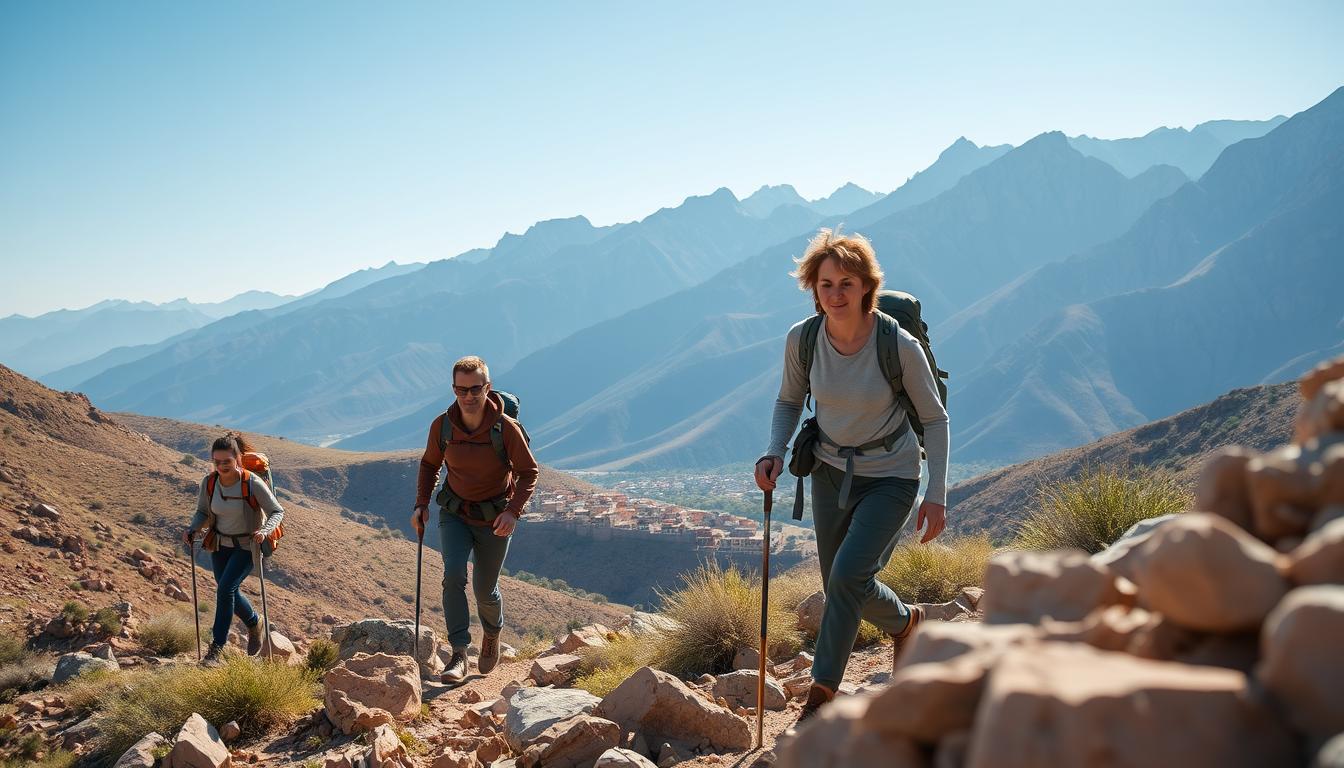
Embarking on a trekking adventure in Morocco can be a thrilling experience, with its diverse landscapes ranging from the Atlas Mountains to the Sahara Desert.
To ensure a safe and enjoyable journey, it’s crucial to be prepared. Understanding the terrain, being aware of potential hazards, and taking necessary precautions are key to a successful trek.
Morocco’s varied environments demand respect and preparation. By being informed and equipped, trekkers can mitigate risks and fully appreciate the beauty of Morocco.
Key Takeaways
- Understand the diverse landscapes of Morocco before trekking.
- Prepare for potential emergencies and hazards.
- Take necessary precautions to ensure a safe journey.
- Be aware of the environment and its challenges.
- Stay informed to mitigate risks during trekking.
Understanding Morocco’s Diverse Landscapes
Morocco’s diverse landscapes offer a wide range of trekking experiences, from the rugged Atlas Mountains to the vast Sahara Desert. The country’s varied terrain is a trekker’s paradise, with each region presenting its unique challenges and breathtaking views.
Atlas Mountains: What to Expect
The Atlas Mountains are a highlight of trekking in Morocco, with their rugged paths and stunning vistas. The High Atlas range is particularly challenging due to its high altitude and unpredictable weather.
High Atlas Challenges
The High Atlas mountains pose several challenges, including steep ascents, rocky terrain, and potential snowstorms. Trekkers should be well-prepared with appropriate gear and physical conditioning.
Middle and Anti-Atlas Considerations
The Middle and Anti-Atlas regions offer less extreme conditions but still require careful planning. The terrain can be rugged, and the weather can be unpredictable.
Desert Trekking Challenges
Desert trekking in Morocco is a unique experience, with the Sahara Desert offering vast expanses of sand dunes and rocky terrain. However, it also comes with significant challenges.
Sahara Safety Concerns
Safety is a major concern in the Sahara Desert, where trekkers can face extreme temperatures, dehydration, and getting lost. It’s essential to trek with a knowledgeable guide and stay well-hydrated.
Navigating Sand Dunes and Rocky Terrain
Navigating the Sahara’s sand dunes and rocky terrain requires skill and experience. Trekkers should be prepared for the physical demands of walking on sand and uneven terrain.
Coastal and Valley Trails
Morocco’s coastal and valley trails offer a different trekking experience, with scenic views and milder climates.
Rif Mountains Characteristics
The Rif Mountains are known for their lush forests and scenic trails. Trekkers can enjoy the region’s natural beauty and mild climate.
Todra and Dades Gorges
The Todra and Dades Gorges are popular trekking destinations, with their stunning rock formations and scenic valleys.
| Region | Terrain | Challenges |
|---|---|---|
| High Atlas | Rugged, rocky | Steep ascents, snowstorms |
| Sahara Desert | Sand dunes, rocky | Extreme temperatures, dehydration |
| Rif Mountains | Forested, scenic | Mild climate, scenic trails |
“The varied landscapes of Morocco offer trekkers a unique and exciting experience, from the rugged Atlas Mountains to the vast Sahara Desert.”
Best Seasons for Safe Trekking in Morocco
Morocco’s diverse landscapes offer a wide range of trekking opportunities, but the timing of your trip can significantly impact your safety and experience. Understanding the seasonal weather patterns is crucial for planning a safe and enjoyable trek.
Weather Patterns Throughout the Year
Morocco’s climate varies significantly across different regions. The country’s weather patterns change throughout the year, affecting trekking conditions.
Spring (March-May) Conditions
Spring is considered one of the best times to trek in Morocco, with mild temperatures and blooming landscapes making for a pleasant journey.
Fall (September-November) Advantages
Fall is another ideal season for trekking, offering comfortable temperatures and fewer crowds, making it easier to explore popular trails.
Avoiding Extreme Temperature Periods
It’s essential to avoid trekking during extreme temperature periods to ensure a safe and enjoyable experience.
Summer Heat Risks
Summer can be extremely hot, especially in the desert regions, making it challenging to trek during this time.
Winter Snow and Cold in Mountain Regions
Winters can be harsh in the mountainous areas, with snow and cold temperatures potentially making trails impassable.
Region-Specific Seasonal Considerations
| Region | Best Time to Visit | Weather Conditions |
|---|---|---|
| Atlas Mountains | Spring, Fall | Mild temperatures, occasional rain |
| Desert | Winter, Spring | Extreme heat in summer, mild in winter |
| Coastal Trails | Spring, Fall | Mild temperatures, moderate humidity |
Essential Pre-Trip Preparations
Before embarking on your Moroccan trekking adventure, it’s crucial to prepare thoroughly to ensure a safe and enjoyable experience. Proper preparation is key to navigating Morocco’s diverse landscapes, from the Atlas Mountains to the Sahara Desert.
Required Documentation and Permits
Ensuring you have the correct documentation is vital. This includes understanding Morocco visa requirements and obtaining necessary permits.
Visa Requirements for Morocco
Depending on your nationality, you may need a visa to enter Morocco. Check with the Moroccan embassy or consulate in your home country to determine the specific requirements.
National Park and Protected Area Permissions
For treks within national parks or protected areas, additional permits may be required. Research the specific regulations for your trekking route.
Travel Insurance Considerations
Adequate travel insurance is crucial for trekking in Morocco. Look for policies that cover mountain rescue and medical evacuation.
Coverage for Mountain Rescue
Ensure your insurance policy includes coverage for mountain rescue services, which can be costly.
Medical Evacuation Options
Check if your policy covers medical evacuation to a suitable medical facility in case of an emergency.
Researching Your Route
Thoroughly research your trekking route to understand the terrain, potential hazards, and necessary preparations.
Reliable Map Sources
Use reliable map sources to plan your route. Consider maps that detail terrain difficulty and potential water sources.
Popular Trekking Routes and Difficulty Levels
Understand the difficulty level of your chosen route and prepare accordingly. Popular routes like the Atlas Mountains offer various difficulty levels.
| Route | Difficulty Level | Duration |
|---|---|---|
| Atlas Mountains | Moderate to Challenging | 5-7 days |
| Sahara Desert | Challenging | 7-10 days |
Physical Conditioning for Moroccan Terrain
Physical conditioning is essential for tackling Morocco’s varied terrains. Training in advance can significantly enhance your trekking experience.
Altitude Training Tips
For high-altitude treks, acclimatization is key. Gradually increase your altitude exposure to reduce the risk of altitude sickness.
Building Endurance for Long Desert Walks
Cardiovascular training and endurance exercises can help prepare you for the long walks associated with desert treks.
“The journey of a thousand miles begins with a single step.” – Lao Tzu
By meticulously preparing for your trek, you’ll be well on your way to a successful and enjoyable adventure in Morocco.
Packing Essentials for Moroccan Treks
Morocco’s diverse landscapes demand a thoughtful approach to packing for a trek, combining comfort, safety, and preparedness. The right gear can make a significant difference in enjoying the beautiful Atlas Mountains, navigating the Sahara Desert, or exploring the coastal trails.
Climate-Appropriate Clothing
Morocco’s climate varies significantly across regions and seasons. Layering is key to adapting to temperature fluctuations.
Layering Strategies for Temperature Fluctuations
Pack clothing that can be layered to adjust to changing temperatures. Include a base layer for colder conditions, a mid-layer for insulation, and a waterproof outer layer.
Sun Protection Necessities
Protecting yourself from the sun is crucial, especially in the desert regions. Include a wide-brimmed hat, sunglasses, and high SPF sunscreen in your packing list.
Essential Safety Equipment
Safety should be a top priority when trekking. Essential equipment includes navigation tools and lighting and signaling devices.
Navigation Tools
A compass, detailed maps, and a GPS device are indispensable for navigating Morocco’s trails.
Lighting and Signaling Devices
A headlamp or flashlight and signaling devices like flares or mirrors can be critical in low-light conditions or emergencies.
Water and Food Supplies
Staying hydrated and nourished is vital. Consider water purification methods and energy-dense foods.
Water Purification Methods
Include water purification tablets or a filter in your kit to ensure access to safe drinking water.
Energy-Dense Food Recommendations
Pack energy-rich snacks like nuts, dried fruits, and jerky to maintain your energy levels.
| Item | Purpose | Recommended |
|---|---|---|
| Water Purification Tablets | Safe Drinking Water | Aquamira |
| First Aid Kit | Medical Emergencies | Basic First Aid Manual, Bandages, Antiseptic Wipes |
| Emergency Shelter | Protection from Elements | Lightweight Tent or Bivy Sack |
First Aid and Emergency Kit
A well-stocked first aid kit is crucial. Consider Morocco-specific medical supplies and emergency shelter options.
Morocco-Specific Medical Supplies
Include supplies for treating altitude sickness and other region-specific health issues.
Emergency Shelter Options
A lightweight tent or a bivy sack can provide necessary shelter in case of unexpected weather conditions.

Safety Tips for Trekking in Morocco
Morocco’s diverse landscapes offer a unique trekking experience, yet safety should always be the top priority. Whether you’re navigating the Atlas Mountains, traversing the desert, or following coastal trails, being prepared is key to a successful and enjoyable trek.
Hiking with Local Guides vs. Solo Trekking
Trekking with a local guide can significantly enhance your experience, providing insights into the culture, history, and geography of the area. Guides can also help navigate challenging terrain and ensure your safety.
Finding Reputable Guide Services
To find a reputable guide service, look for guides who are certified by the Moroccan Ministry of Tourism or local trekking associations. Online reviews and recommendations from fellow trekkers can also be valuable resources.
Safety Considerations for Independent Trekkers
Independent trekkers should be highly experienced and well-prepared. It’s essential to research your route thoroughly, understand the local weather patterns, and inform someone of your itinerary.
Trail Safety and Navigation
Effective navigation is critical for a safe trekking experience. Morocco’s trails can be challenging, with varying levels of marking and signage.
Using GPS and Traditional Navigation
While GPS devices are useful, they should not be your sole means of navigation. Bringing a map, compass, and knowing how to use them is crucial. Traditional navigation skills can be a lifesaver if your GPS fails.
Trail Marking Systems in Morocco
Many trails in Morocco are marked with colored signs or symbols. Understanding these markings can help you stay on track. Guides or local trekking organizations can provide information on the marking systems used in the areas you plan to trek.
Wildlife and Environmental Hazards
Morocco’s diverse environments are home to various wildlife and plants, some of which can be hazardous.
Dangerous Animals and Insects
Some areas have venomous snakes, spiders, and other insects. Wearing protective clothing and staying on marked trails can reduce the risk of encounters.
Plant Hazards and Allergenic Species
Certain plants can cause allergic reactions or other health issues. Being aware of the local flora and avoiding contact with unknown plants is advisable.
| Hazard | Precaution |
|---|---|
| Venomous Snakes | Wear boots, stay on trails |
| Allergenic Plants | Avoid touching unknown plants |
Personal Security Measures
While Morocco is generally a safe country, taking personal security measures can help prevent issues.
Avoiding Theft and Scams
Be mindful of your belongings, especially in crowded areas or tourist hotspots. Using hotel safes and being cautious with strangers can help protect your valuables.
Safe Camping Practices
When camping, choose secure locations and keep your campsite organized. Keeping valuables secure and being aware of your surroundings can enhance your safety.
“The journey of a thousand miles begins with a single step.” – Lao Tzu
By following these safety tips and being mindful of your surroundings, you can enjoy a safe and fulfilling trekking experience in Morocco.
Health and Medical Considerations
A well-prepared trekker knows that health and medical considerations are key to navigating Morocco’s varied terrains safely. Before embarking on your adventure, it’s essential to understand the necessary health measures to ensure a safe and enjoyable trek.
Vaccinations and Preventative Measures
Vaccinations play a critical role in protecting your health while trekking in Morocco. Ensuring you are up-to-date on all recommended vaccinations for Morocco is crucial.
Required and Recommended Immunizations
Consult your healthcare provider about the necessary vaccinations, which may include Hepatitis A, Hepatitis B, and typhoid fever vaccinations. As one healthcare expert notes, “Travelers to Morocco should be aware of the risk of hepatitis A and take appropriate precautions.”
“The risk of hepatitis A in Morocco is considered high, and vaccination is recommended for all travelers.”
Preventing Common Illnesses
Besides vaccinations, taking preventive measures against common illnesses is vital. This includes practicing good hygiene, such as frequent handwashing, and avoiding undercooked food and untreated water.
Altitude Sickness Prevention
For treks in the Atlas Mountains, altitude sickness prevention is a significant concern. Understanding how to recognize and prevent altitude sickness can be lifesaving.
Recognizing Early Symptoms
Early symptoms of altitude sickness include headaches, nausea, and fatigue. Recognizing these symptoms early can help you take necessary actions, such as descending to a lower altitude.
Acclimatization Strategies
Gradual acclimatization is key to preventing altitude sickness. This involves ascending gradually, allowing your body to adjust to the higher elevations.
Water Safety and Hydration
Staying hydrated is crucial while trekking. Understanding your daily water requirements and recognizing signs of dehydration are essential for your health.
Daily Water Requirements
Trekkers should aim to drink at least 3-4 liters of water per day, depending on the climate and intensity of the trek.
Recognizing Dehydration Signs
Signs of dehydration include dry mouth, dark urine, and dizziness. If you experience these symptoms, increase your water intake and rest.
Accessing Medical Care in Remote Areas
Understanding the Moroccan healthcare system and knowing how to access medical care in remote areas can be critical in case of an emergency.
Moroccan Healthcare System Overview
Morocco has a decent healthcare system in urban areas, but facilities can be limited in rural regions. It’s essential to have travel insurance that covers medical evacuations.
Remote Medical Resources
Research local clinics and hospitals along your trekking route. Carry a basic first-aid kit and know how to use the items in it.
Cultural Awareness and Communication
When trekking in Morocco, understanding the local culture is just as important as knowing the trails. Morocco is home to diverse communities, including Berber and Arab populations, each with their unique customs and traditions.
Respecting Berber and Arab Customs
To have a respectful and enriching experience, it’s crucial to understand and respect local customs. This includes dressing modestly, especially in rural areas.
Appropriate Dress in Rural Areas
Dressing modestly is essential. For women, this means covering shoulders and knees, while men should avoid shorts and sleeveless shirts.
Religious Considerations
Morocco is an Islamic country, and respecting Islamic customs is vital. For example, during Ramadan, trekkers should be mindful of fasting hours.
Communication Basics: Useful Phrases
Learning basic Arabic and Berber phrases can significantly enhance your trekking experience. Simple greetings like “As-salamu alaykum” (peace be upon you) can go a long way in showing respect.
Arabic and Berber Greetings
- Arabic: “As-salamu alaykum” (peace be upon you)
- Berber: “Azul” (hello)
Emergency Phrases to Know
Knowing how to say “help” or “I need assistance” in Arabic or Berber can be lifesaving. For example, “ana bzzaf” means “I’m lost” in some Berber dialects.
Appropriate Behavior in Villages and Sacred Sites
When visiting villages or sacred sites, it’s essential to behave respectfully. This includes removing your shoes when required and not taking pictures of people without permission.
Photography Etiquette
Always ask for permission before taking someone’s picture. Some communities believe that being photographed can capture their soul.
Gift-Giving and Interactions
Gift-giving is a significant custom in Moroccan culture. Bringing small gifts like tea or sweets can be a friendly gesture when interacting with locals.
Communication Options in Remote Areas
In remote areas, communication can be challenging. While cell phone coverage is improving, there are still areas with no signal.
Cell Phone Coverage Realities
Major telecom operators in Morocco have improved coverage, but it’s still patchy in rural areas.
Satellite Communication Devices
For serious treks, consider renting or buying satellite communication devices. These can be lifesavers in emergencies.
Emergency Protocols and Resources
Despite careful planning, emergencies can arise during Moroccan treks, highlighting the need for awareness and preparedness. Understanding the emergency protocols and resources available can significantly enhance safety for trekkers.
Emergency Contact Information
Having the right contact information is crucial in case of an emergency. Trekkers should be aware of how to reach local emergency services and their embassy or consulate.
Moroccan Emergency Services
In Morocco, the emergency number is 112 or 19 for police. It’s essential to have these numbers saved or memorized.
Embassy and Consulate Support
Trekkers should also have the contact information for their country’s embassy or consulate in Morocco. They can provide assistance in case of a serious emergency.
Evacuation Procedures
Knowing the evacuation procedures can be lifesaving. Morocco has different protocols for mountain and desert regions.
Mountain Rescue Operations
In the Atlas Mountains, rescue operations are typically carried out by local guides and mountain rescue teams. Trekkers should be prepared to provide their location and the nature of the emergency.
Desert Emergency Extraction
In desert regions, extraction procedures may involve air support or specialized desert rescue teams. It’s crucial to have a means of communication, such as a satellite phone.

Dealing with Common Emergency Situations
Trekkers should be prepared for common emergencies such as getting lost or injured.
Getting Lost Protocols
If lost, stay calm and try to find a landmark or return to the last known trail. Using a GPS device or a mapping app on a smartphone can be helpful.
Injury Management in Remote Settings
For injuries, provide basic first aid and try to stabilize the injured person. Evacuation should be planned as soon as possible.
Using Technology for Safety
Technology can play a significant role in enhancing safety during treks.
GPS and Tracking Applications
Using GPS devices or tracking applications can help trekkers stay on track and be located in case of an emergency.
Emergency Beacons and Locators
Personal Locator Beacons (PLBs) or satellite messengers can be used to send a distress signal in emergency situations.
Conclusion: Enjoying Morocco’s Trails Safely
Trekking in Morocco can be a safe and rewarding experience if you are well-prepared and informed. By understanding the diverse landscapes and preparing appropriately, you can enjoy the beauty and adventure that Morocco’s trails have to offer.
With the right mindset and preparation, you can have a successful and enjoyable trekking experience in Morocco. Focus on safe trekking in Morocco by being aware of your surroundings, respecting local customs, and staying informed about weather conditions.
As you plan your trip, remember that enjoying Morocco’s trails requires a combination of preparation, flexibility, and cultural awareness. By following the guidelines outlined in this article, you can minimize risks and maximize your enjoyment of Morocco’s beautiful landscapes.
FAQ
What are the best seasons for trekking in Morocco?
The best seasons for trekking in Morocco are spring (March-May) and fall (September-November), when the weather is mild and pleasant. Summer can be very hot, especially in the desert, while winters can be cold in the mountains.
Do I need a guide to trek in Morocco?
While it’s possible to trek independently in Morocco, hiring a local guide can be beneficial, especially in remote areas. Guides can provide valuable insights into the terrain, culture, and safety.
What vaccinations are required for trekking in Morocco?
The required vaccinations for Morocco may include hepatitis A, hepatitis B, typhoid, and rabies. Consult your doctor or a travel clinic for the most up-to-date information.
How do I stay safe from wildlife and environmental hazards while trekking?
To stay safe, be aware of your surroundings, watch for snakes and spiders, and avoid touching or eating unknown plants. Wear protective clothing, including long sleeves and pants, and stay on marked trails.
What should I pack for a trek in Morocco?
Pack layers for temperature fluctuations, sun protection (sunscreen, hat, sunglasses), sturdy hiking boots, a first aid kit, and a water filter or purification tablets. Consider bringing a portable stove, emergency shelter, and a satellite phone.
How do I access medical care in remote areas of Morocco?
Morocco has a decent healthcare system, but access can be limited in remote areas. Consider purchasing travel insurance that covers medical evacuation and bring a basic first aid kit.
Can I use my cell phone in remote areas of Morocco?
Cell phone coverage can be limited in remote areas, so it’s a good idea to bring a satellite phone or a portable Wi-Fi hotspot. Some trekking companies also offer satellite communication devices.
What are the most common emergency situations that may occur while trekking in Morocco?
Common emergency situations include getting lost, injuries, and altitude sickness. Be prepared with a plan, including knowing how to use a GPS device, having a first aid kit, and being aware of the symptoms of altitude sickness.
How can I respect local customs and culture while trekking in Morocco?
Be respectful of local customs by dressing modestly, removing your shoes when entering mosques or homes, and being mindful of photography etiquette. Learn a few basic Arabic and Berber phrases to show respect.
No comment